
Piles (hemorrhoids) are extremely common, yet misconceptions about their causes, symptoms, and treatment often prevent patients from seeking timely care. At Chirag Global Hospitals, Bangalore, colorectal specialists see patients regularly misled by myths that can delay proper treatment and worsen symptoms.
In this blog, we debunk 10 common piles myths by explaining the misconception and providing the medically accurate reality.
Book a Consultation | Call 08065903127
Myth 1: Piles Only Happen to Older People
Myth: Hemorrhoids are a problem of aging and mostly affect older adults.
Reality: Piles can affect any adult, regardless of age. Young adults and middle-aged people are increasingly affected, especially in urban areas like Bangalore due to long working hours, prolonged sitting, chronic constipation, and poor dietary habits. Early detection and treatment can prevent progression to more severe stages.
Myth 2: Bleeding Always Means Cancer
Myth: Any rectal bleeding is a sign of cancer.
Reality: While persistent or dark bleeding warrants evaluation, most bright red bleeding during bowel movements is caused by piles or anal fissures, which are benign. Cancer is less common and usually presents with additional symptoms such as unexplained weight loss, persistent pain, or anemia. Even so, any persistent rectal bleeding should be assessed by a colorectal specialist in Bangalore.
Myth 3: Home Remedies Can Permanently Cure Piles
Myth: Sitz baths, creams, or herbal remedies can completely cure hemorrhoids.
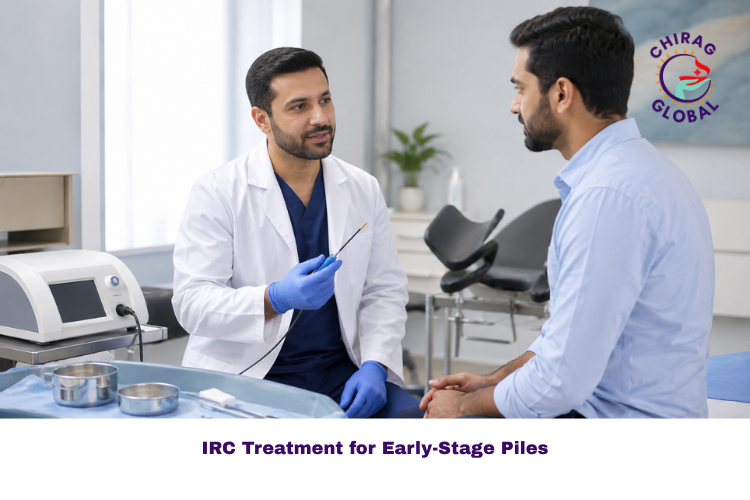
Reality: Home remedies can relieve symptoms temporarily, but they cannot remove enlarged hemorrhoids permanently. Early-stage piles may respond to minimally invasive treatments like IRC, laser therapy, or rubber band ligation, which target the underlying tissue safely and effectively.
Myth 4: Only Constipation Causes Piles
Myth: Piles are caused solely by constipation and straining.
Reality: Constipation is one factor, but piles can also develop due to prolonged sitting, pregnancy, obesity, diarrhea, and genetic predisposition. A combination of risk factors usually contributes to hemorrhoid formation. Simply treating constipation may not prevent piles entirely if other causes persist.
Myth 5: Surgery Is Always Required
Myth: Surgery is the only way to treat piles.
Reality: Surgery is not always necessary. Most early-stage piles (Grades I and II) can be treated with minimally invasive outpatient procedures such as IRC, laser coagulation, or rubber band ligation. Surgery is reserved for advanced, prolapsed, or thrombosed hemorrhoids.
Myth 6: Piles Will Go Away On Their Own
Myth: Hemorrhoids resolve without medical intervention.
Reality: Mild piles may temporarily improve with lifestyle changes, but untreated piles often persist or worsen, leading to chronic bleeding, discomfort, and prolapse. Early professional evaluation ensures long-term relief and prevents complications.
Myth 7: Sitting Longer on the Toilet Helps Relief
Myth: Spending more time on the toilet helps pass stools and reduces piles.
Reality: Prolonged sitting increases pressure on the anal cushions, worsening piles. Experts recommend a quick, unstrained bowel movement, which is safer for the anal tissue. Long periods of sitting, especially at work, should be minimized.
Myth 8: Spicy Food Causes Piles
Myth: Eating spicy food leads to hemorrhoids.
Reality: Spicy food may temporarily irritate existing hemorrhoids but does not cause them. The primary causes are increased venous pressure and straining during bowel movements. A diet rich in fiber and proper hydration is more effective for prevention.
Myth 9: Only Women Get Piles During Pregnancy
Myth: Piles are only a pregnancy-related problem in women.
Reality: While pregnancy increases hemorrhoid risk due to hormonal changes and pelvic pressure, men and non-pregnant women are also susceptible. Lifestyle and bowel habits, not gender alone, determine risk.
Myth 10: Poor Hygiene Causes Piles
Myth: Hemorrhoids are caused by poor personal hygiene.
Reality: Piles result from structural and vascular changes in the anal cushions, not hygiene. Proper cleaning can prevent secondary infections and irritation but does not prevent the hemorrhoids themselves.
When to See a Colorectal Specialist
You should consult a specialist if you notice:
- Persistent or recurrent bleeding
- Painful or prolapsed hemorrhoids
- Discomfort affecting daily life
- Symptoms not relieved by home remedies
Early consultation allows minimally invasive treatments like IRC, laser, or rubber band ligation, preventing worsening of symptoms.
Conclusion
Debunking myths about piles empowers patients to take timely, effective action. Early professional care improves outcomes, reduces complications, and relieves discomfort.
If you experience bleeding, itching, or discomfort, consult the colorectal specialists at Chirag Global Hospitals, Bangalore for accurate diagnosis and effective treatment.
Visit Chirag Global Hospitals Today!
FAQs
1. Can early-stage piles be treated without surgery?
Yes. IRC, laser treatment, and rubber band ligation are effective for Grades I and II piles in Bangalore.
2. How long does minimally invasive treatment take to show results?
Patients usually notice improvement in bleeding and discomfort within 2–3 weeks.
3. Can lifestyle changes prevent piles from worsening?
Yes. A high-fiber diet, adequate hydration, regular exercise, and avoiding straining help reduce recurrence risk.
4. What treatment options are available for piles in Bangalore?
IRC, laser coagulation, rubber band ligation, and minimally invasive procedures are available at Chirag Global Hospitals. Surgery is reserved for advanced cases.
5. When should I see a doctor for piles?
Persistent bleeding, prolapse, pain, or swelling affecting daily life requires a colorectal specialist evaluation.