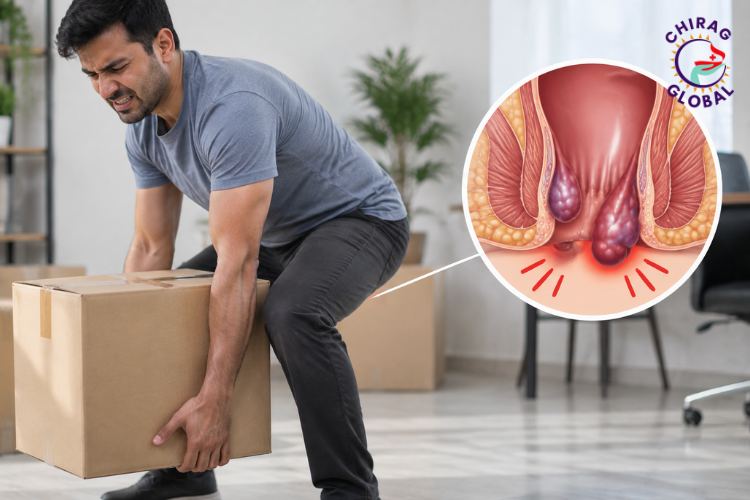

Undergoing piles surgery is an important step towards relieving symptoms such as bleeding, pain, swelling, and discomfort caused by hemorrhoids. However, the recovery process does not end after the procedure. Your food choices during the first few days play a major role in supporting healing and preventing constipation, which can increase discomfort during bowel movements.
A proper diet chart after piles surgery focuses on soft, easy-to-digest foods that provide enough fibre, fluids, and nutrients to support recovery. At Chirag Global Hospitals, Bangalore, doctors guide patients with personalised recovery advice based on their procedure, health condition, and healing progress.
This day-by-day diet plan explains what you can eat during the first 7 days after piles surgery and how simple dietary changes can make your recovery smoother.
Need expert guidance for piles surgery recovery? Consult the specialists at Chirag Global Hospitals, Bangalore, for personalised post-surgery care and recovery support.
Book a Consultation | Call 08065903127
Why Is Diet Important After Piles Surgery?
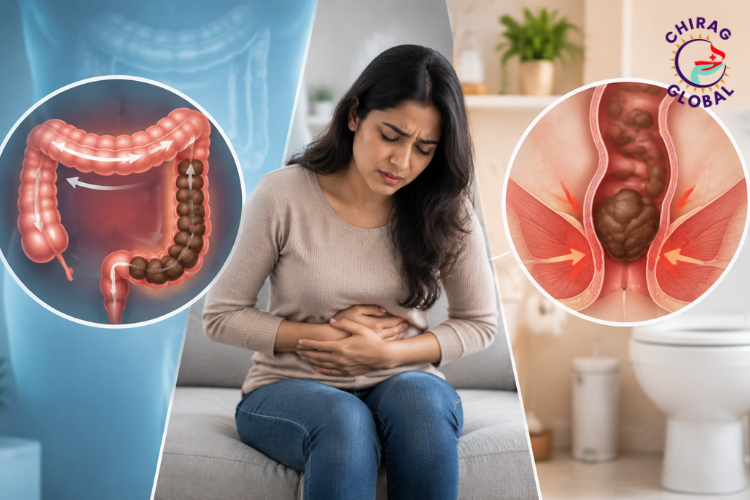
After piles surgery, the operated area needs time to heal. One of the biggest concerns during recovery is avoiding hard stools and straining while passing stools.
A suitable post piles surgery diet helps by:
- Keeping stools soft and easier to pass
- Reducing pressure on the surgical area
- Supporting tissue repair and healing
- Preventing constipation and discomfort
- Maintaining hydration and energy levels
A sudden return to heavy, spicy, or low-fibre foods may increase the chances of constipation and make bowel movements uncomfortable.
Foods to Include After Piles Surgery
1. High-Fibre Foods
Fibre adds bulk and softness to stools, helping bowel movements happen more comfortably.
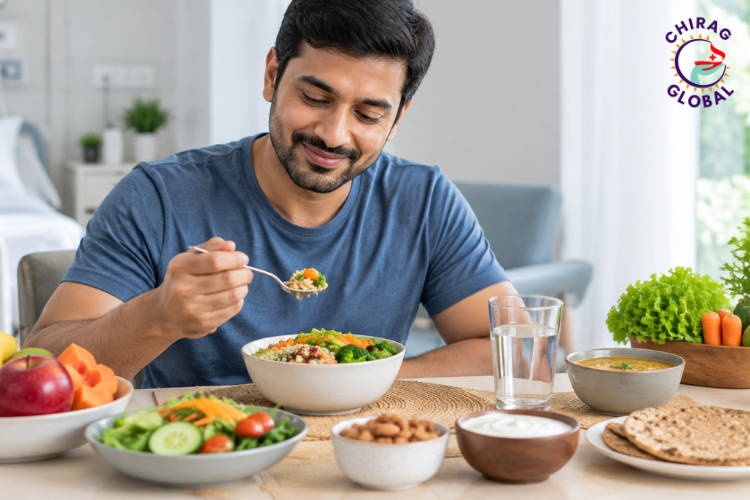
Good fibre-rich food options include:
- Oats
- Whole wheat foods
- Brown rice
- Fruits such as papaya, apples, pears, and bananas
- Vegetables such as carrots, beans, and leafy greens
- Lentils and pulses
However, fibre intake should be increased gradually because sudden excess fibre may cause bloating or gas.
2. Hydrating Foods and Fluids
Adequate hydration is essential after piles surgery because fibre works effectively only when enough water is available.
Include:
- Plenty of water throughout the day
- Coconut water
- Clear soups
- Fresh fruit juices without added sugar
- Buttermilk if suitable for you
3. Protein-Rich Foods
Protein supports wound healing and tissue repair after surgery.
Healthy protein sources include:
- Dal and legumes
- Eggs (if consumed)
- Paneer or other suitable dairy products
- Fish or lean meat (based on dietary preference and doctor advice)
Day-by-Day Diet Chart After Piles Surgery
Day 1: Focus on Hydration and Easy Digestion
The first day after piles surgery is usually focused on allowing your body to adjust while preventing constipation.
Recommended foods:
- Warm water
- Clear vegetable soups
- Coconut water
- Soft fruits
- Light meals such as khichdi or soft rice preparations
Avoid:
- Fried foods
- Spicy foods
- Heavy meals
- Foods that may cause gas or constipation
Small and frequent meals are usually easier to tolerate during the initial recovery period.
Day 2: Add Soft Fibre-Rich Foods
By the second day, many patients can gradually introduce more fibre into their meals.
Recommended foods:
- Oatmeal or porridge
- Soft-cooked vegetables
- Dal with rice
- Ripe banana or papaya
- Plenty of fluids
The goal is to maintain smooth bowel movements without putting pressure on the healing area.
Day 3: Increase Fibre and Nutrition
On day three, your diet can become more balanced with a combination of fibre, protein, and carbohydrates.
Sample meal plan:
Breakfast:
- Oats with fruit
- Herbal tea or warm water
Lunch:
- Dal
- Soft rice or chapati
- Cooked vegetables
Evening snack:
- Fruit
- Buttermilk or coconut water
Dinner:
- Light khichdi
- Vegetable soup
Continue drinking enough water throughout the day.
Day 4: Support Healing With Balanced Meals
During this stage, focus on foods that provide nutrients needed for recovery.
Include:
- Fibre-rich vegetables
- Protein sources
- Whole grains
- Fresh fruits
Avoid:
- Processed foods
- Excess caffeine
- Alcohol
- Very spicy foods
Maintaining a regular meal schedule can also help establish healthy bowel habits.
Day 5: Maintain Soft Stool Consistency
By the fifth day, patients should continue following a constipation-friendly diet.
A good meal pattern may include:
- Fibre-rich breakfast
- Balanced lunch with vegetables and protein
- Light dinner
- Adequate fluids
Foods such as papaya, oats, vegetables, and whole grains may support easier bowel movements.
Day 6: Gradually Return to Normal Diet
If recovery is progressing well, you may slowly return to your regular diet while continuing healthy choices.
Continue including:
- Fresh fruits
- Vegetables
- Whole grains
- Protein-rich foods
- Adequate water
Avoid suddenly eating foods that previously caused constipation or digestive discomfort.
Day 7: Continue a Long-Term Recovery-Friendly Diet
After the first week, maintaining healthy eating habits can help prevent constipation and reduce the risk of future piles problems.
A long-term supportive diet includes:
- High-fibre foods daily
- Regular hydration
- Balanced nutrition
- Reduced intake of processed and low-fibre foods
Your doctor may provide additional instructions depending on your surgery type and healing progress.
Foods to Avoid After Piles Surgery
Certain foods may increase constipation, irritation, or digestive discomfort during recovery.
Avoid or limit:
Spicy Foods
Very spicy foods may irritate the digestive system and increase discomfort during bowel movements.
Low-Fibre Foods
Foods such as refined flour products and highly processed snacks may contribute to harder stools.
Fried and Oily Foods
These foods can slow digestion and may cause bloating.
Alcohol and Excess Caffeine
These may affect hydration levels and digestive comfort.
Tips to Make Recovery Easier After Piles Surgery
Along with following a proper diet after hemorrhoid surgery, these habits may support recovery:
- Drink sufficient water every day
- Do not delay bowel movements
- Avoid excessive straining while passing stools
- Follow prescribed medications and instructions
- Take short walks as advised by your doctor
- Maintain proper hygiene around the surgical area
When Should You Contact Your Doctor During Recovery?
While mild discomfort after piles surgery can be expected, contact your healthcare provider if you experience:
- Severe or increasing pain
- Heavy bleeding
- Fever
- Difficulty passing stools
- Persistent constipation
- Signs of infection
Early medical advice can help address recovery-related concerns quickly.
How Chirag Global Hospitals Supports Piles Surgery Recovery in Bangalore
Recovering from piles surgery requires more than just the procedure. Proper diagnosis, suitable treatment selection, and post-operative guidance all contribute to better recovery outcomes.
At Chirag Global Hospitals, Bangalore, patients receive comprehensive care with guidance on:
- Suitable treatment options for piles
- Post-surgery diet recommendations
- Recovery monitoring
- Lifestyle modifications to prevent recurrence
A personalised recovery plan helps patients understand what steps to follow after surgery and when to return to normal activities.
If you are looking for expert piles treatment and post-surgery care in Bangalore, Visit Chirag Global Hospitals!
FAQs
What is the best diet after piles surgery?
The best diet after piles surgery includes high-fibre foods, adequate fluids, soft meals, and protein-rich foods that support healing. Foods such as oats, fruits, vegetables, whole grains, and plenty of water can help maintain soft stools and reduce strain during bowel movements.
What should I eat in the first 7 days after piles surgery?
During the first 7 days after piles surgery, choose soft and easily digestible foods. Start with fluids, soups, soft rice dishes, and gradually add fibre-rich foods, vegetables, fruits, and protein sources as your recovery progresses.
Can I eat rice after piles surgery?
Yes, rice can usually be included after piles surgery, especially when it is soft and easy to digest. Combining rice with dal, vegetables, or other fibre-rich foods can help maintain a balanced diet.
Which foods should be avoided after piles surgery?
After piles surgery, it is better to avoid foods that may cause constipation or digestive discomfort, such as fried foods, processed foods, excessive spicy foods, and low-fibre meals. Alcohol and excessive caffeine should also be limited during recovery.
How much water should I drink after piles surgery?
Adequate water intake is important after piles surgery because it helps keep stools soft and supports digestion. The exact amount may vary depending on your health condition, activity level, and doctor’s advice.
How can I prevent constipation after piles surgery?
You can reduce the chances of constipation by following a high-fibre diet, drinking enough fluids, staying physically active as advised, avoiding straining during bowel movements, and following your surgeon’s recovery instructions.
When can I return to my normal diet after piles surgery?
Many patients can gradually return to their normal diet as healing progresses. However, it is recommended to continue a fibre-rich and constipation-friendly diet even after recovery to support bowel health and reduce recurrence risk.