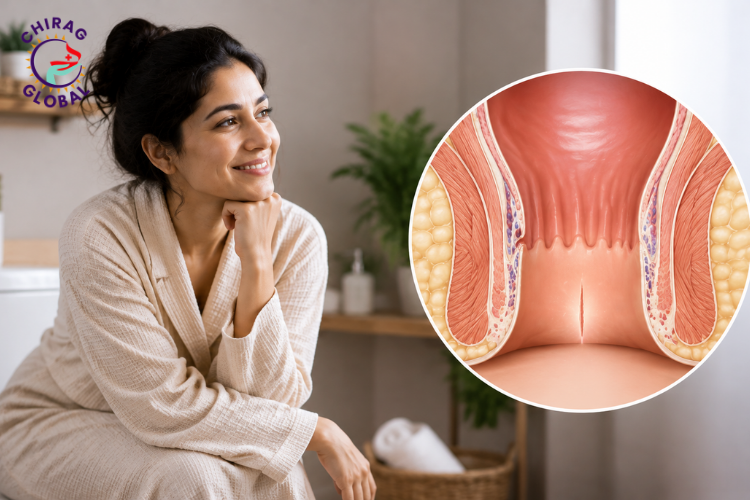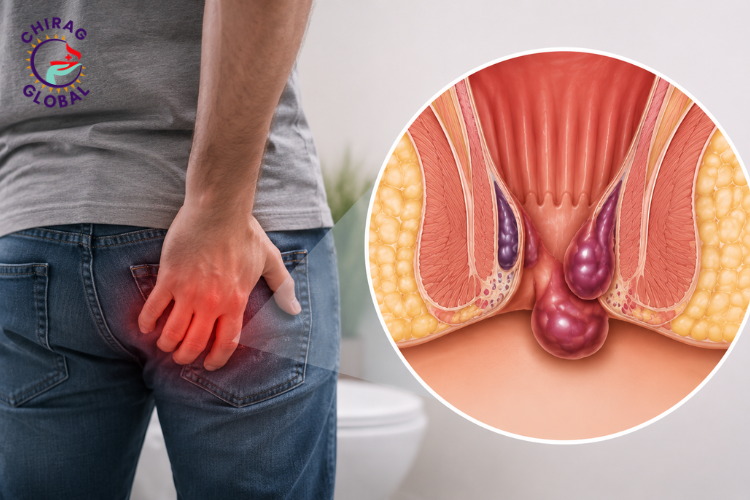

Piles, also known as hemorrhoids, are swollen blood vessels around the anus or lower rectum. They may cause itching, discomfort, swelling, pain, or bleeding, particularly during bowel movements.
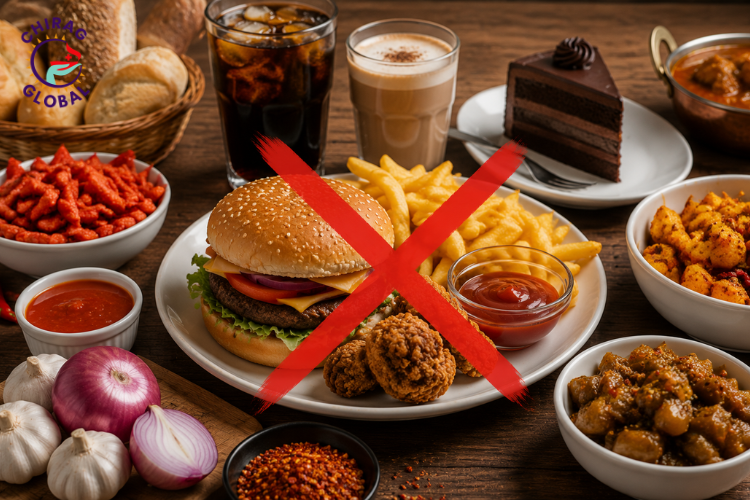
Diet does not directly cause every case of piles, but what you eat can influence stool consistency, constipation, straining, and bowel habits. For this reason, knowing which food to avoid in piles can be useful when trying to reduce irritation and support more comfortable bowel movements.
There is no universal list of foods that every person with piles must completely eliminate. Instead, it is generally more useful to reduce foods that are low in fibre, highly processed, or likely to contribute to constipation or digestive discomfort.
At Chirag Global Hospitals, Bangalore, persistent or recurrent piles symptoms can be evaluated to determine whether dietary changes are sufficient or whether medical treatment is needed.
Book a Consultation | Call 08065903127
Why Does Diet Matter When You Have Piles?
Constipation and repeated straining can increase pressure around the veins of the anus and rectum.
Hard stools may also irritate existing hemorrhoids.
A diet that supports soft, easy-to-pass stools can therefore reduce the need for excessive straining.
The goal is not simply to avoid certain foods. A healthy piles diet should also include:
- Adequate fibre
- Appropriate fluid intake
- Fruits and vegetables
- Whole grains
- Legumes
- Regular physical activity
8 Foods to Limit or Avoid During Piles
1. Low-Fibre Refined Foods
Foods made primarily from refined grains generally contain less fibre than whole-grain alternatives.
Examples include:
- Refined white bread
- Refined-flour biscuits
- Many packaged baked products
- Refined-flour snacks
- Highly processed breakfast foods
Eating these foods frequently while consuming little fibre can contribute to constipation.
Better approach
Where appropriate, replace some refined foods with:
- Oats
- Whole-wheat products
- Brown rice
- Millets
- Other whole grains
2. Highly Processed Foods
Highly processed foods may be low in fibre and high in refined carbohydrates, salt, or fat.
Examples include:
- Packaged snacks
- Instant noodles
- Processed ready-to-eat meals
- Some fast-food products
- Packaged baked snacks
These foods do not need to be completely eliminated from everyone’s diet, but relying heavily on them can make it harder to maintain a fibre-rich eating pattern.
3. Very Spicy Foods
Spicy food does not necessarily cause piles, but it may worsen burning or irritation around the anus in some people, particularly when hemorrhoids are already inflamed.
If you notice that very spicy meals consistently make your symptoms more uncomfortable, reducing them temporarily may help.
Individual tolerance matters.
4. Deep-Fried and Very Fatty Foods
Frequent consumption of heavily fried foods may not provide much dietary fibre and can sometimes contribute to digestive discomfort.
Examples include:
- Deep-fried snacks
- Fried fast food
- Very oily meals
- Fried packaged foods
Rather than focusing only on avoiding fat, aim for balanced meals containing fibre-rich plant foods.
5. Excessive Processed Meat
Processed meats are generally low in fibre.
Examples include:
- Sausages
- Hot dogs
- Salami
- Other highly processed meat products
A diet dominated by low-fibre animal-based foods can make it more difficult to achieve adequate dietary fibre.
6. Large Amounts of Cheese and Other Low-Fibre Foods
Cheese and other dairy products do not cause constipation in everyone.
However, consuming large quantities while eating very little fibre may contribute to constipation in some individuals.
If you notice that your bowel movements become harder when consuming large amounts of dairy, discuss dietary adjustments with a healthcare professional or dietitian.
7. Sugary Packaged Foods
Foods such as:
- Cakes
- Pastries
- Cookies
- Sweets
- Doughnuts
may provide relatively little fibre compared with their calorie content.
They can be enjoyed occasionally, but they should not replace fibre-rich foods in the daily diet.
8. Excessive Alcohol
Alcohol can contribute to dehydration in certain circumstances and may not be helpful when you are trying to maintain healthy bowel habits.
If alcohol consumption is contributing to poor hydration or an unbalanced diet, reducing it may support overall digestive health.
Foods to Avoid in Piles: A Simple Daily Approach
Rather than following an extremely restrictive diet, focus on replacing low-fibre foods with higher-fibre alternatives.
| Instead of | Consider |
| Refined white bread | Whole-grain bread |
| Refined-flour snacks | Fruit, nuts or roasted legumes |
| Large portions of fried food | Vegetable-based meals |
| Low-fibre breakfast | Oats with fruit |
| Frequent packaged snacks | Fresh fruit or fibre-rich snacks |
| Very spicy meals if they cause burning | Mildly seasoned meals |
| Excessive processed meat | Fibre-rich plant-based foods |
The objective is to make bowel movements easier while maintaining a balanced diet.
Key Takeaway
Knowing which food to avoid in piles can help you make dietary choices that support easier bowel movements. Rather than following a highly restrictive diet, focus on limiting heavily processed, low-fibre foods and reducing very spicy or fried foods if they worsen your symptoms.
A better piles-friendly eating pattern includes fibre-rich fruits, vegetables, whole grains, legumes, adequate fluids, and regular physical activity.
If bleeding, pain, swelling, or prolapse persists despite dietary and lifestyle changes, consult a specialist. Piles can have different grades and types, and the appropriate treatment depends on the individual condition.
Visit Chirag Global Hospitals Today!
Frequently Asked Questions
What foods should I avoid during piles?
There is no universal banned-food list. It is generally helpful to limit low-fibre processed foods and, if they worsen your symptoms, very spicy or heavily fried foods.
Is spicy food bad for piles?
Spicy food does not necessarily cause hemorrhoids, but it can increase burning or discomfort around the anus in some people.
Can junk food worsen piles?
A diet heavily based on processed, low-fibre foods may contribute to constipation, which can increase straining and aggravate hemorrhoid symptoms.
Can I eat rice if I have piles?
Yes. Rice can be part of a balanced diet. Choosing higher-fibre varieties such as brown rice more often can help increase overall fibre intake.
Is curd good for piles?
Curd can be included if you tolerate dairy. However, it should be part of an overall diet that provides sufficient fibre and fluids.