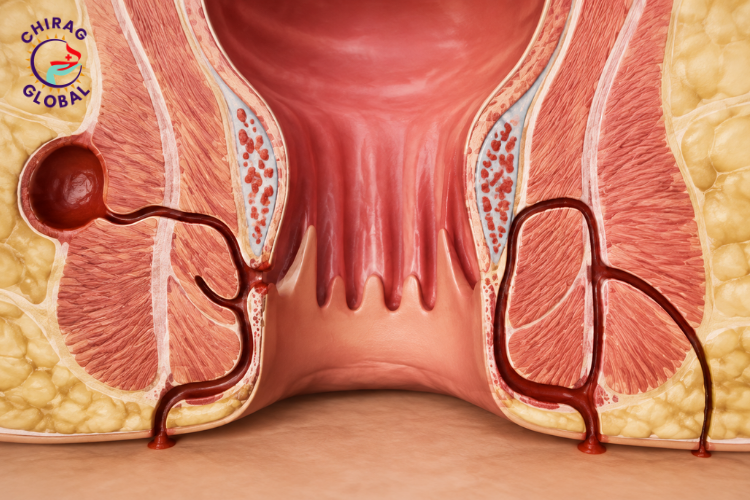

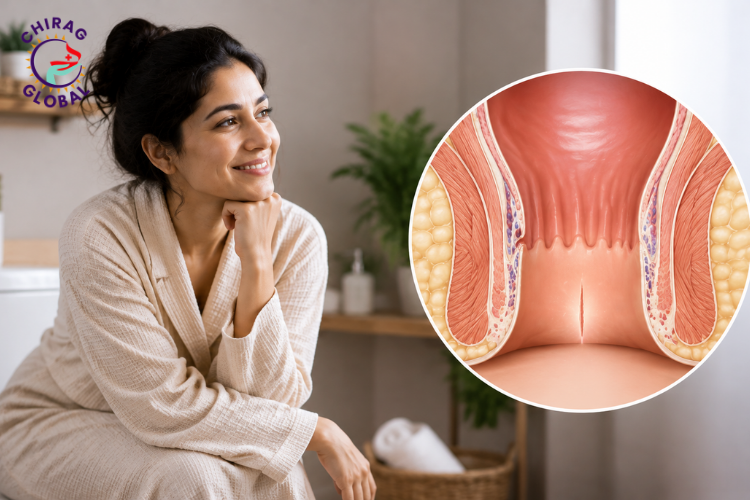
An anal fissure is a small tear in the lining of the anus that can cause sharp pain, burning, and bleeding, particularly during or after bowel movements. Because the area is repeatedly exposed to stool and movement, healing can take time.
Knowing the signs a fissure is healing can make it easier to understand whether treatment and bowel-habit changes are helping.
Healing does not always happen suddenly. Symptoms may gradually become less intense, bowel movements may become more comfortable, and bleeding may disappear. The external skin may also look less irritated as the tear begins to close.
However, improvement should generally occur over time. Persistent severe pain, recurrent bleeding, or symptoms that repeatedly return may indicate that the fissure has not healed completely or that another anorectal condition is present.
Book a Consultation | Call 08065903127
What Does an Anal Fissure Feel Like Before It Starts Healing?
A fresh or active fissure commonly causes:
- Sharp pain while passing stool
- Burning or stinging after a bowel movement
- Bright-red blood on toilet paper or the surface of stool
- Anal muscle spasm
- Fear of passing stool because of pain
- Constipation caused by avoiding bowel movements
- Local irritation or itching
The severity varies from person to person.
As healing progresses, these symptoms generally become less frequent or less intense.
7 Signs a Fissure Is Healing
1. Pain During Bowel Movements Becomes Less Intense
One of the clearest signs of improvement is a reduction in pain.
Instead of severe or cutting pain during a bowel movement, you may notice:
- Mild discomfort
- Shorter-lasting pain
- Less burning
- Less pain after passing stool
Healing does not necessarily mean that discomfort disappears immediately. A gradual reduction in pain is often more meaningful than expecting instant relief.
2. Pain After Passing Stool Lasts for Less Time
Anal fissure pain can sometimes continue for minutes or even hours after a bowel movement.
As the fissure heals, the duration of post-bowel-movement pain may decrease.
For example, someone who previously experienced significant discomfort for several hours may begin noticing that it lasts only briefly.
This gradual reduction can be a reassuring sign.
3. Bleeding Becomes Less Frequent
A healing fissure generally bleeds less.
You may notice that:
- Bright-red blood appears less often
- The amount of blood decreases
- Bleeding eventually stops
A small amount of bright-red blood can occur when a fissure is irritated by a hard stool.
However, persistent or heavy rectal bleeding should not automatically be attributed to an anal fissure. Other causes of rectal bleeding need to be considered.
4. Bowel Movements Become Easier
When a fissure is healing, passing stool may become less painful.
This often happens when stool is kept soft and bowel movements become more regular.
You may notice:
- Less straining
- Less fear of using the toilet
- Less pain when stool passes
- Less need to postpone bowel movements
Preventing hard stool is important because repeatedly injuring the area can delay healing.
5. Anal Spasms Become Less Frequent
An anal fissure can trigger tightening or spasm of the internal anal sphincter.
This can contribute to pain and may interfere with healing.
As inflammation and irritation decrease, some people notice:
- Less tightening
- Less cramping around the anus
- Reduced post-bowel-movement discomfort
A reduction in muscle spasm can therefore be another sign that the area is improving.
6. The Area Feels Less Irritated
During active fissure symptoms, the area around the anus may feel:
- Sore
- Raw
- Burning
- Irritated
- Sensitive
As healing progresses, these sensations may gradually decrease.
You may find that sitting, walking, cleaning the area, or passing stool becomes more comfortable.
7. The Fissure Stops Reopening
One important goal of treatment is allowing the tear to remain undisturbed long enough to heal.
If you previously experienced a cycle of:
hard stool → pain → fissure reopening → bleeding → temporary improvement → another painful bowel movement
breaking this cycle is a positive sign.
Consistently soft stools and comfortable bowel movements can give the fissure an opportunity to heal.
Does Less Pain Always Mean the Fissure Is Completely Healed?
Not necessarily.
Symptoms can improve before the tissue has completely healed.
For example, you may have little or no pain but still have a partially healed fissure that could reopen after a hard bowel movement.
This is why continuing healthy bowel habits and following the treatment recommended by your doctor is important even after symptoms improve.
How Long Does an Anal Fissure Take to Heal?
Healing time varies depending on whether the fissure is acute or chronic and whether the underlying cause is addressed.
Many acute anal fissures improve within several weeks with appropriate conservative management.
A fissure that persists for longer or develops features of chronic disease may require additional treatment.
Healing can take longer when factors such as the following continue:
- Hard stools
- Chronic constipation
- Repeated straining
- Frequent diarrhoea
- Anal muscle spasm
- Inadequate treatment
- Repeated trauma to the area
What Can Delay Anal Fissure Healing?
Even if symptoms initially improve, certain factors can cause the fissure to reopen.
These include:
- Hard stool
- Chronic constipation
- Repeated straining
- Frequent diarrhoea
- Ignoring the urge to pass stool
- Inadequate fluid intake
- Stopping treatment too early
- Repeated trauma to the anal area
Managing the underlying bowel problem is therefore just as important as treating the fissure itself.
Conclusion
The most useful signs a fissure is healing are gradual improvement in pain, shorter-lasting discomfort after bowel movements, reduced bleeding, easier stool passage, fewer anal spasms, and less local irritation.
However, feeling better does not necessarily mean the fissure is completely healed. Keeping stools soft, avoiding straining, maintaining appropriate fibre and fluid intake, and following the recommended treatment can help prevent the fissure from reopening.
If pain or bleeding continues, repeatedly returns, or becomes worse, a specialist evaluation can determine whether the fissure is healing properly or whether another treatment approach is needed.
Visit Chirag Global Hospitals Today!
Frequently Asked Questions
What is the first sign that an anal fissure is healing?
A gradual reduction in pain during and after bowel movements is often one of the earliest noticeable improvements.
Can an anal fissure heal in a few days?
Some symptoms may improve within days, but complete tissue healing can take longer. It is important to avoid hard stools and straining during the healing period.
Can a fissure reopen after it feels better?
Yes. A hard bowel movement or repeated straining can irritate or reopen a partially healed fissure.
Does itching mean my fissure is healing?
Mild itching can occur during healing, but itching alone does not confirm that the fissure is healing.
When does an anal fissure become chronic?
A fissure that persists despite appropriate conservative treatment or develops chronic features requires specialist evaluation. The exact clinical definition can vary depending on the guideline or classification being used.
Can chronic anal fissures heal without surgery?
Some chronic fissures respond to medical treatment, but others require additional procedures. The appropriate approach depends on the individual fissure and response to treatment.