
Anal fissures can turn a simple bowel movement into a painful experience. The sharp pain, burning sensation, and occasional bleeding associated with fissures can significantly affect daily comfort and quality of life. While many anal fissures improve with medications, dietary changes, and lifestyle modifications, some become chronic and may require surgical treatment.
Sphincterotomy for anal fissure is a commonly performed surgical procedure recommended for chronic fissures that do not heal with conservative treatments. The procedure works by relaxing the tight internal anal sphincter muscle, improving blood flow to the affected area, and allowing the fissure to heal.
At Chirag Global Hospitals, Bangalore, specialists evaluate each patient’s symptoms, medical history, and condition before suggesting the most suitable treatment approach. Understanding the procedure, possible risks, and recovery process can help patients make informed decisions about their health.
If you have persistent anal pain, bleeding while passing stools, or a fissure that keeps returning, professional evaluation can help identify the right treatment option.
Consult Chirag Global Hospitals, Bangalore, for expert evaluation and advanced treatment options for chronic anal fissure.
Book a Consultation | Call 08065903127
What Is Sphincterotomy for Anal Fissure?
Sphincterotomy is a surgical procedure used to treat chronic anal fissures by reducing pressure caused by the internal anal sphincter muscle.
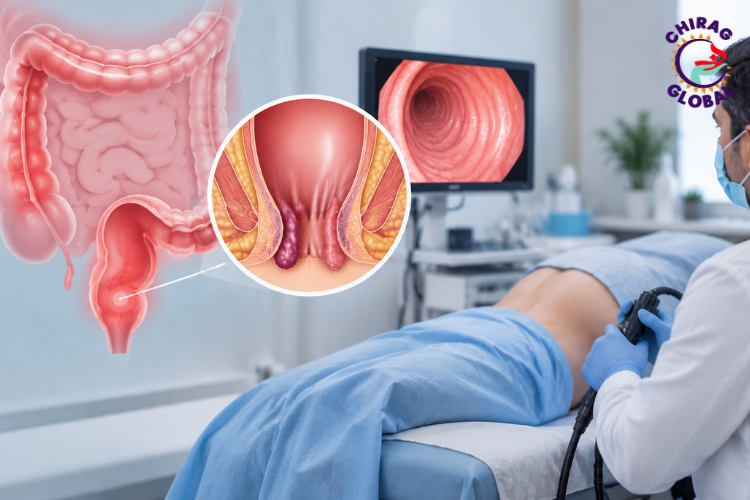
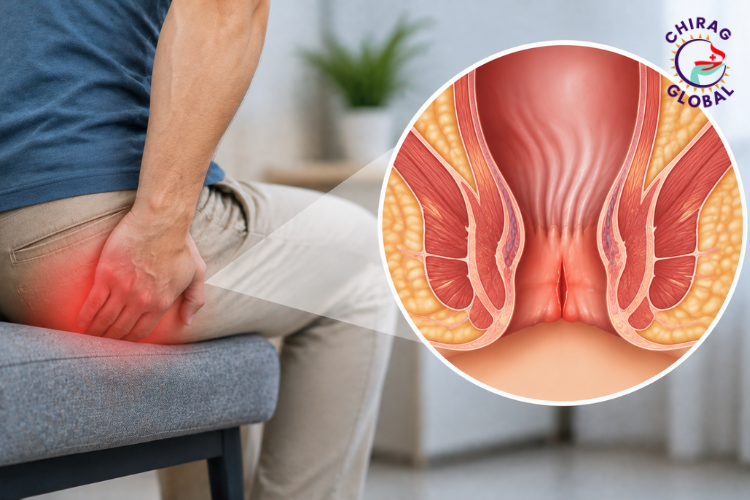
An anal fissure is a small tear in the delicate lining of the anal canal. When this tear occurs, the internal sphincter muscle may tighten or go into spasm. This increased pressure can reduce blood circulation to the area, making healing difficult.
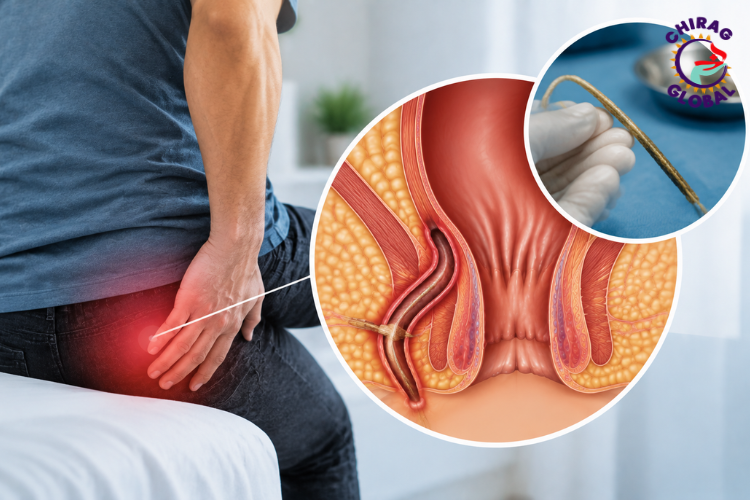
During a lateral internal sphincterotomy procedure, the surgeon carefully cuts a small portion of the internal sphincter muscle. This helps relax the muscle, decreases pressure, improves blood supply, and supports natural healing.
The procedure is generally considered when:
- The fissure has not healed after several weeks of treatment.
- Pain continues despite medicines and lifestyle changes.
- Symptoms frequently return.
- Muscle spasms are preventing healing.
- Chronic fissure symptoms affect daily activities.
Acute vs Chronic Anal Fissure: When Surgery May Be Needed
Not all fissures require surgery. Understanding the difference between acute and chronic fissures helps determine the appropriate treatment approach.
Acute Anal Fissure
An acute fissure is a recent tear that usually develops due to:
- Passing hard stools.
- Constipation.
- Straining during bowel movements.
- Diarrhoea or frequent bowel irritation.
Many acute fissures improve with:
- Increased fibre intake.
- Adequate hydration.
- Stool softeners.
- Warm sitz baths.
- Doctor-prescribed medicines.
Chronic Anal Fissure
A fissure is considered chronic when it persists for a longer duration or repeatedly returns.
Common features include:
- Persistent anal pain.
- A visible tear or ulcer-like area.
- Sentinel skin tag near the fissure.
- Tight internal sphincter muscle.
- Repeated bleeding during bowel movements.
For chronic fissures that do not respond to medical treatment, anal fissure surgery such as sphincterotomy may be recommended.
How Is the Sphincterotomy Procedure Performed?
A sphincterotomy is usually performed as a minimally invasive procedure. The exact technique may vary depending on the patient’s condition and the surgeon’s assessment.
Step 1: Consultation and Evaluation
Before surgery, the doctor evaluates:
- Duration of fissure symptoms.
- Severity of pain.
- Previous treatments tried.
- Bowel habits.
- Overall health condition.
A physical examination helps confirm whether the symptoms are caused by an anal fissure and whether surgery is suitable.
Step 2: Anaesthesia
The procedure is performed under anaesthesia to ensure patient comfort. The type of anaesthesia depends on the patient’s health status and surgical requirements.
Options may include:
- Local anaesthesia.
- Regional anaesthesia.
- General anaesthesia.
Step 3: Internal Sphincter Muscle Relaxation
During lateral internal sphincterotomy:
- A small incision is made near the anal canal.
- A controlled portion of the internal sphincter muscle is divided.
- Muscle tension is reduced.
- Blood circulation improves around the fissure.
- Healing can occur more effectively.
The procedure is usually completed within a short duration, and many patients may be discharged after monitoring.
Who Is a Suitable Candidate for Sphincterotomy?
Sphincterotomy may be considered for patients who:
- Have chronic anal fissures.
- Experience recurring fissure symptoms.
- Have not improved with medicines or lifestyle changes.
- Have severe sphincter muscle tightness.
- Continue to experience pain and bleeding.
However, the final decision depends on a specialist’s evaluation. Some patients may benefit from alternative treatments depending on their symptoms and medical history.
Benefits of Sphincterotomy for Anal Fissure
For appropriate candidates, sphincterotomy can help address the main factor responsible for delayed fissure healing — excessive sphincter pressure.
Potential Benefits Include:
- Reduction in anal muscle spasm.
- Improved blood flow to the affected area.
- Relief from chronic fissure pain.
- Lower chances of repeated fissure episodes.
- Faster healing compared with continued conservative management in selected cases.
The outcome of surgery depends on individual factors such as overall health, severity of fissure, and post-operative care.
Recovery After Sphincterotomy Surgery
Understanding the recovery process can help patients prepare better after surgery.
Most patients gradually experience improvement as the sphincter muscle relaxes and the fissure begins to heal.
Immediately After Surgery
Patients may notice:
- Mild discomfort around the surgical area.
- Minor bleeding or discharge.
- Temporary changes during bowel movements.
Doctors may advise:
- Pain medications if required.
- Fibre-rich foods.
- Increased fluid intake.
- Stool softeners.
- Warm sitz baths.
First Few Weeks After Surgery
During recovery, patients should:
- Avoid constipation.
- Prevent excessive straining.
- Maintain proper hygiene.
- Follow prescribed medications.
- Attend follow-up consultations.
A balanced diet and healthy bowel habits play an important role in preventing recurrence.
How to Support Faster Healing After Anal Fissure Surgery
Follow a Fibre-Rich Diet
A high-fibre diet helps create softer stools and reduces pressure during bowel movements.
Good fibre sources include:
- Fruits.
- Vegetables.
- Whole grains.
- Pulses.
- Fibre supplements recommended by doctors.
Drink Enough Water
Proper hydration supports healthy digestion and helps prevent constipation.
Avoid Straining During Bowel Movements
Repeated straining can irritate the healing area and may slow recovery.
Maintain Good Anal Hygiene
Keeping the area clean and following post-operative instructions can support comfortable healing.
Risks and Possible Complications of Sphincterotomy
Like any surgical procedure, sphincterotomy for anal fissure has certain risks. Although many patients recover well, understanding possible complications helps set realistic expectations before surgery.
The likelihood of complications depends on factors such as overall health, previous treatments, surgical technique, and post-operative care.
Possible Risks Include:
Temporary Pain or Discomfort
Some patients may experience mild pain, soreness, or discomfort after surgery. This usually improves as healing progresses and can often be managed with prescribed medications.
Bleeding
Minor bleeding after sphincterotomy may occur during the initial recovery period. However, heavy or persistent bleeding should be reported to the doctor.
Infection
As with any surgical procedure, there is a small risk of infection. Following wound care instructions and maintaining hygiene can help reduce this risk.
Difficulty Controlling Gas or Stool
The internal anal sphincter plays a role in bowel control. In some cases, patients may experience temporary difficulty controlling gas or minor leakage after surgery.
Most patients do not experience significant long-term problems, but discussing individual risks with a qualified surgeon is important before undergoing the procedure.
Recurrence of Anal Fissure
Although sphincterotomy helps many patients with chronic fissures, recurrence is possible, especially if factors such as constipation, hard stools, or unhealthy bowel habits continue.
Sphincterotomy vs Other Anal Fissure Treatments
Treatment for anal fissure depends on whether the condition is acute or chronic and how the patient responds to initial therapies.
Medical Treatment
For many early-stage fissures, doctors may recommend non-surgical approaches such as:
- Fibre supplements.
- Stool softeners.
- Warm sitz baths.
- Topical medications.
- Lifestyle changes.
These methods aim to reduce constipation, relax muscle tension, and support healing.
Botox Injection for Anal Fissure
Botulinum toxin injections may be used to temporarily relax the internal anal sphincter muscle.
Potential benefits:
- Minimally invasive.
- Does not involve cutting the muscle.
- May be suitable for selected patients.
However, the effects may be temporary, and some patients may require additional treatment.
Sphincterotomy Surgery
Sphincterotomy directly reduces internal sphincter pressure by making a controlled surgical cut.
It may be considered when:
- Medical treatments have not worked.
- Symptoms continue for a long time.
- The fissure repeatedly returns.
A proctology specialist can help determine which option is appropriate based on individual symptoms.
How Long Does Recovery Take After Sphincterotomy?
Recovery time after anal fissure surgery varies from person to person.
Many patients can return to normal activities gradually after a short recovery period, depending on their comfort level and doctor’s advice.
General Recovery Timeline
First Few Days:
- Mild discomfort may occur.
- Bowel movements may feel different.
- Pain management and stool regulation are important.
First Few Weeks:
- Surgical area continues healing.
- Bowel movements usually become more comfortable.
- Patients should maintain fibre intake and hydration.
Following Weeks:
- Symptoms generally continue improving.
- Follow-up appointments help monitor recovery.
The complete healing process depends on the severity of the fissure and individual healing response.
When Should You Consult a Doctor for Anal Fissure?
Many people delay treatment because they assume anal pain will resolve on its own. However, persistent symptoms should be evaluated by a healthcare professional.
Consult a doctor if you experience:
- Sharp pain during bowel movements.
- Bleeding from the anus.
- Symptoms lasting more than several weeks.
- Repeated fissures.
- Pain affecting daily activities.
- A lump or skin tag near the anal opening.
Early diagnosis can help prevent the condition from becoming chronic.
Why Choose Chirag Global Hospitals for Anal Fissure Treatment in Bangalore?
Choosing the right healthcare facility is important when dealing with sensitive conditions like anal fissures.
At Chirag Global Hospitals, Bangalore, patients receive evaluation and treatment guidance based on their symptoms and medical condition.
The hospital focuses on:
- Specialist consultation for anorectal conditions.
- Individualised treatment planning.
- Advanced diagnostic and surgical approaches.
- Patient-focused care throughout the treatment journey.
A specialist consultation can help determine whether lifestyle management, medicines, minimally invasive procedures, or surgery is the right approach.
Experiencing persistent fissure pain or looking for advanced proctology care in Bangalore?
Visit Chirag Global Hospitals!
Frequently Asked Questions About Sphincterotomy for Anal Fissure
What is sphincterotomy for anal fissure?
Sphincterotomy is a surgical procedure used to treat chronic anal fissures by relaxing part of the internal anal sphincter muscle. This reduces muscle pressure, improves blood flow, and supports fissure healing.
How long does sphincterotomy surgery take?
The procedure is usually completed within a short duration. The exact time depends on the patient’s condition and the surgical approach used.
Is sphincterotomy painful?
The procedure is performed under anaesthesia, so patients generally do not feel pain during surgery. Mild discomfort may occur during recovery and can usually be managed with medications and proper care.
How long does it take to recover after anal fissure surgery?
Recovery varies between individuals. Many patients gradually return to normal activities within a short period, while complete healing depends on the fissure condition and post-operative care.
What are the risks of sphincterotomy surgery?
Possible risks include bleeding, infection, temporary changes in bowel control, discomfort, and recurrence of fissure symptoms. Your surgeon can explain risks based on your specific health condition.
Can anal fissure heal without surgery?
Yes, many acute fissures improve with dietary changes, medications, hydration, and proper bowel habits. Surgery is usually considered for chronic fissures that do not respond to other treatments.
Is sphincterotomy a permanent treatment for anal fissure?
Sphincterotomy can provide long-term relief for many patients with chronic fissures. However, maintaining healthy bowel habits is important to reduce the chance of recurrence.
Where can I get anal fissure treatment in Bangalore?
Patients looking for anal fissure treatment in Bangalore can consult Chirag Global Hospitals for specialist evaluation and personalised treatment recommendations.