
Rectal discomfort, bleeding during bowel movements, itching, pain, or changes in bowel habits can be worrying symptoms. Many people delay seeking medical advice because they are unsure about the cause or feel uncomfortable discussing rectal health concerns. However, early evaluation can help identify the underlying problem and guide the right treatment approach.
Proctoscopy for rectal problems is a simple diagnostic procedure that allows doctors to examine the inside of the anal canal and lower rectum. It helps identify conditions such as piles (haemorrhoids), anal fissures, rectal bleeding causes, polyps, inflammation, and other abnormalities.
At Chirag Global Hospitals, Bangalore, specialists use appropriate diagnostic methods to evaluate rectal symptoms and recommend treatment based on each patient’s condition. Understanding what proctoscopy involves can help patients feel more prepared and confident about seeking care.
If you are experiencing rectal bleeding, pain, or discomfort, consult a colorectal specialist at Chirag Global Hospitals for proper evaluation and personalized guidance.
Book a Consultation | Call 08065903127
What Is Proctoscopy?
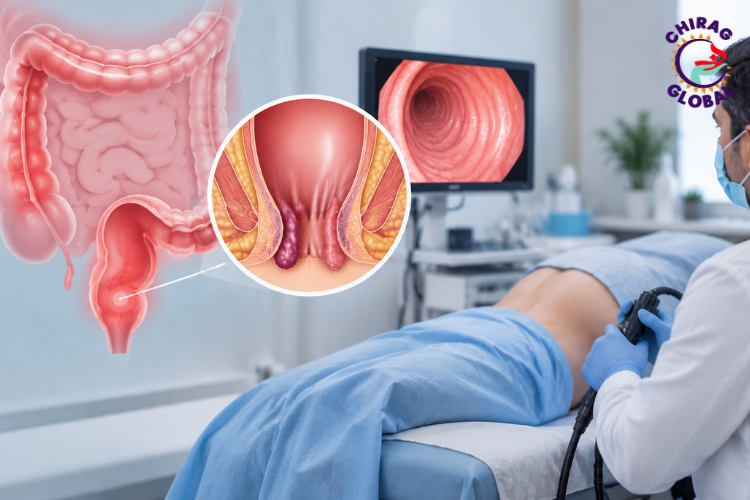
Proctoscopy is a diagnostic examination that uses a specialised instrument called a proctoscope to view the lining of the anal canal and lower part of the rectum.
The procedure allows doctors to directly examine areas that cannot be assessed through a regular physical examination. It is commonly performed when patients have symptoms related to the lower digestive tract.
A proctoscope is a short, hollow tube with a light source that helps doctors get a clear view of the internal structures. The examination is usually quick and may be performed in an outpatient setting.
Why Is Proctoscopy Done for Rectal Problems?
Doctors recommend proctoscopy when symptoms suggest problems affecting the anus or rectum. The test helps identify the possible cause of symptoms and supports accurate diagnosis.
Common reasons for undergoing a proctoscopy examination include:
Evaluation of Rectal Bleeding
Blood during bowel movements is one of the common reasons patients seek medical attention. While piles are a frequent cause, rectal bleeding can occur due to different conditions.
Proctoscopy can help doctors examine the lower rectum and identify possible sources of bleeding.
Diagnosis of Haemorrhoids (Piles)
Internal piles develop inside the rectum and may not always be visible externally. Proctoscopy allows doctors to examine internal haemorrhoids and assess their severity.
The findings can help determine whether conservative treatment, medication, lifestyle changes, or procedures may be required.
Assessment of Anal Pain and Discomfort
Persistent anal pain may occur due to conditions such as:
- Anal fissures
- Inflammation
- Infection
- Rectal abnormalities
A detailed examination helps identify the cause and plan appropriate management.
Detection of Abnormal Growths or Polyps
In some cases, proctoscopy may reveal abnormal tissue growths or polyps in the lower rectum. Doctors may recommend further evaluation depending on the findings.
Monitoring Existing Rectal Conditions
Patients undergoing treatment for certain rectal disorders may require follow-up examinations to monitor improvement or changes.
What Conditions Can Proctoscopy Detect?
A proctoscopy examination can help evaluate several anal and rectal conditions, including:
1. Internal Haemorrhoids
Internal piles are swollen blood vessels inside the rectum. They may cause:
- Bright red bleeding during stools
- A feeling of incomplete bowel evacuation
- Mucus discharge
- Prolapse in advanced cases
Proctoscopy helps doctors view the internal haemorrhoidal tissue and determine the extent of the condition.
2. Anal Fissures
An anal fissure is a small tear in the lining of the anal canal. It commonly causes sharp pain during or after passing stools.
Although many fissures are diagnosed through physical examination, proctoscopy may be used in selected cases to assess associated changes.
3. Rectal Inflammation
Inflammation in the rectum, known as proctitis, may occur due to infections, inflammatory bowel conditions, or other causes.
Proctoscopy helps doctors examine signs of inflammation and decide further investigations if required.
4. Rectal Polyps and Other Abnormalities
Abnormal tissue changes inside the rectum may require detailed assessment. If unusual findings are observed, doctors may suggest additional tests or biopsy procedures.
How Is a Proctoscopy Procedure Performed?
Many patients feel anxious before a rectal examination because they do not know what to expect. Understanding the procedure can make the experience more comfortable.
The typical steps include:
Before the Procedure
The doctor may discuss:
- Your symptoms
- Medical history
- Previous treatments
- Bowel-related concerns
In some cases, bowel preparation or an enema may be recommended to clear the rectum before examination.
During the Examination
During the procedure:
- The patient is positioned comfortably as advised by the doctor.
- A lubricated proctoscope is gently inserted into the anal canal.
- The doctor examines the rectal lining using the light attached to the instrument.
- The procedure usually takes only a few minutes.
Patients may feel mild pressure or the sensation of needing to pass stool, but severe pain is not expected in most cases.
After the Procedure
Most people can return to normal activities soon after the examination. The doctor will explain the findings and discuss whether further tests or treatment are needed.
Is Proctoscopy Painful?
A common concern among patients is whether a proctoscopy examination is painful.
Generally, proctoscopy is considered a quick and well-tolerated procedure. Some people may experience:
- Mild discomfort
- Pressure sensation
- Temporary urge to pass stool
If a patient has severe inflammation, an active fissure, or significant pain, the doctor may take additional precautions to ensure comfort.
Discussing concerns openly with your doctor can help make the examination easier and less stressful.
Proctoscopy vs Colonoscopy: What Is the Difference?
Although both procedures examine parts of the digestive tract, they are performed for different purposes.
| Proctoscopy | Colonoscopy |
| Examines the anal canal and lower rectum | Examines the entire colon and rectum |
| Usually takes a few minutes | Usually takes longer |
| Commonly used for piles, bleeding, and rectal symptoms | Used for broader colon evaluation |
| Often performed without sedation | Sedation is commonly used |
The doctor decides which examination is appropriate based on symptoms, age, medical history, and clinical findings.
Patients experiencing ongoing rectal symptoms should not ignore them. A timely evaluation can help identify the cause and prevent complications.
At Chirag Global Hospitals, Bangalore, experienced specialists provide evaluation and treatment options for various colorectal conditions with a patient-focused approach. Consult the team to understand the right diagnostic pathway for your symptoms.
When Should You Consider a Proctoscopy Examination?
Not every rectal symptom requires a proctoscopy immediately. However, certain symptoms should be evaluated by a specialist to understand the underlying cause.
You should consider consulting a colorectal specialist if you experience:
- Bleeding during or after bowel movements
- Persistent anal pain or discomfort
- Repeated itching around the anal area
- Swelling or lumps near the anus
- Mucus discharge from the rectum
- Changes in bowel habits
- A feeling of incomplete bowel evacuation
- Symptoms that continue despite home remedies
Ignoring these symptoms may delay diagnosis and treatment. Conditions such as piles, fissures, or other rectal disorders are often easier to manage when identified early.
How to Prepare for a Proctoscopy Test?
Preparation requirements may vary depending on the patient’s symptoms and the doctor’s recommendation.
Some common preparation steps include:
Follow Doctor’s Instructions
Your doctor may provide specific instructions regarding food intake, medications, or bowel preparation before the procedure.
Keep Your Doctor Informed
Inform your doctor about:
- Current medications
- Blood-thinning medicines
- Previous rectal surgeries
- Existing medical conditions
- Allergies
This helps ensure a safer examination.
Maintain Relaxation During the Procedure
Feeling nervous before a rectal examination is common. Understanding the process and communicating concerns with your healthcare provider can make the experience more comfortable.
Benefits of Proctoscopy for Rectal Problems
A proctoscopy examination offers several benefits when evaluating lower rectal conditions.
Accurate Diagnosis
The procedure provides a direct view of the anal canal and lower rectum, helping doctors identify abnormalities more accurately.
Helps Plan Appropriate Treatment
Based on the findings, doctors can recommend suitable treatment options, which may include:
- Lifestyle modifications
- Medications
- Minimally invasive procedures
- Further diagnostic tests
Quick and Convenient Examination
Proctoscopy is generally a short procedure that can often be completed during an outpatient consultation.
Helps Detect Problems Early
Early identification of rectal conditions can support timely treatment and may help prevent symptoms from worsening.
Common Myths About Proctoscopy
Many patients avoid rectal examinations because of misconceptions. Understanding the facts can reduce unnecessary anxiety.
Myth 1: Proctoscopy Is Extremely Painful
Fact: Proctoscopy is usually a quick procedure and most patients experience only mild discomfort or pressure.
Myth 2: Rectal Bleeding Is Always Due to Piles
Fact: Although piles are a common cause, rectal bleeding can occur due to different conditions. Proper evaluation helps determine the actual cause.
Myth 3: Rectal Problems Will Resolve Without Medical Attention
Fact: Some mild symptoms may improve with lifestyle changes, but persistent or recurring symptoms require medical assessment.
How Chirag Global Hospitals Helps With Rectal Health Concerns in Bangalore
Rectal symptoms can affect daily comfort and quality of life. At Chirag Global Hospitals, Bangalore, patients receive evaluation and treatment guidance for various colorectal concerns.
The approach focuses on:
- Understanding individual symptoms
- Identifying the underlying cause
- Providing appropriate diagnostic evaluation
- Discussing treatment options clearly
- Supporting patients throughout their care journey
Whether symptoms involve piles, fissures, fistula, rectal bleeding, or other colorectal conditions, consulting an experienced specialist can help patients understand their condition and available treatment options.
Conclusion: Understanding the Role of Proctoscopy in Rectal Health
Proctoscopy for rectal problems is an important diagnostic procedure that helps doctors examine the anal canal and lower rectum. It can provide valuable information about conditions such as piles, fissures, inflammation, bleeding sources, and other abnormalities.
If you experience persistent rectal symptoms, seeking medical advice early can help identify the cause and guide appropriate treatment.
Looking for expert evaluation for rectal problems in Bangalore? Chirag Global Hospitals provides specialist consultation and diagnostic support for colorectal conditions. Schedule an appointment to understand your symptoms and treatment options.
Visit Chirag Global Hospitals!
FAQs
What is proctoscopy used for?
Proctoscopy is used to examine the anal canal and lower rectum. It helps doctors identify conditions such as internal piles, rectal bleeding causes, inflammation, polyps, and other abnormalities.
Is proctoscopy painful?
Proctoscopy is generally not considered a painful procedure. Most patients experience mild pressure or discomfort during the examination, which usually lasts only a few minutes.
How long does a proctoscopy procedure take?
A proctoscopy examination usually takes only a few minutes. The exact duration may vary depending on the findings and whether additional evaluation is required.
Can proctoscopy detect piles?
Yes, proctoscopy can help detect internal haemorrhoids (piles) and allows doctors to assess their location and severity.
What is the difference between proctoscopy and colonoscopy?
Proctoscopy examines the anal canal and lower rectum, while colonoscopy examines the entire colon and rectum. Doctors recommend the appropriate test based on symptoms and medical history.
Is preparation required before a proctoscopy test?
Preparation requirements depend on the doctor’s recommendation. Some patients may need bowel preparation or an enema before the examination.
When should I see a doctor for rectal bleeding?
You should consult a doctor if rectal bleeding is persistent, recurring, associated with pain, changes in bowel habits, or accompanied by other concerning symptoms.
Where can I get proctoscopy for rectal problems in Bangalore?
Patients experiencing rectal symptoms can consult specialists at Chirag Global Hospitals, Bangalore, for evaluation, diagnosis, and treatment guidance.