
Piles, also known as hemorrhoids, can cause discomfort, bleeding, itching, and difficulty while passing stools. Many people looking for a long-term solution often have questions about advanced treatments like DG-HAL laser treatment for piles, especially about how many sittings are required and whether multiple sessions are needed.
The number of DG-HAL sittings required depends on several factors, including the grade of piles, severity of symptoms, overall health condition, and the treatment approach recommended by the doctor. In many cases, DG-HAL is performed as a single procedure, but the exact plan varies from patient to patient.
At Chirag Global Hospitals, Bangalore, specialists evaluate each patient individually and recommend a suitable piles treatment plan based on their condition, symptoms, and medical history.
Looking for advanced piles treatment in Bangalore?
Book a Consultation | Call 08065903127
What Is DG-HAL Laser Treatment for Piles?
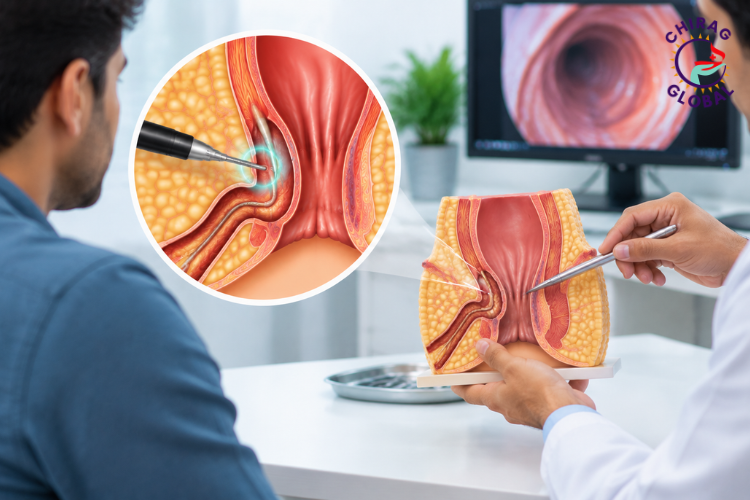
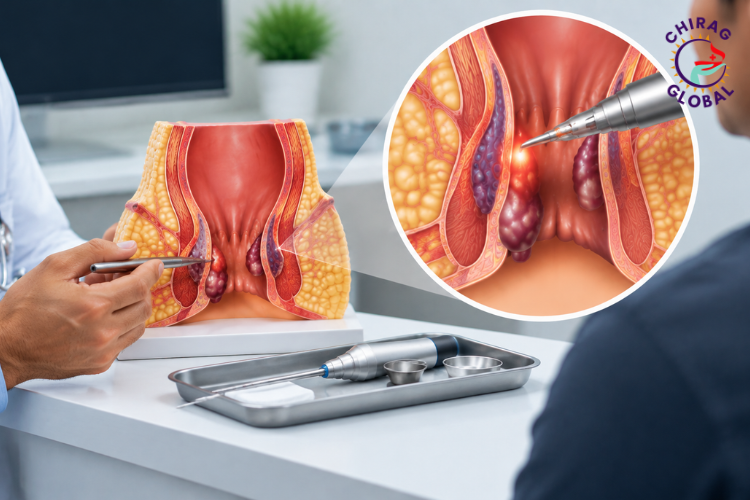
DG-HAL (Doppler-Guided Hemorrhoidal Artery Ligation) is a minimally invasive procedure used to treat piles by identifying and reducing blood flow to the hemorrhoidal tissues.
During the procedure, a specialised Doppler device helps the doctor locate the arteries supplying blood to the piles. These blood vessels are then tied off, reducing blood flow and helping the enlarged hemorrhoidal tissue shrink gradually.
Unlike traditional piles surgery, DG-HAL focuses on treating the underlying blood supply rather than removing the hemorrhoidal tissue completely.
Some potential benefits of DG-HAL treatment include:
- Minimally invasive approach
- No major cutting or removal of hemorrhoidal tissue
- Less discomfort compared to conventional surgical methods
- Faster recovery for many patients
- Suitable for selected cases of internal piles
However, the suitability of DG-HAL depends on the type and severity of piles.
How Many DG-HAL Laser Sittings Are Usually Required?
One of the most common questions patients ask is, “How many DG-HAL laser sittings are required for piles?”
In most cases, DG-HAL is completed in one treatment session. It is generally designed as a single-procedure treatment where the doctor addresses the affected hemorrhoidal arteries during the same sitting.
However, some patients may require additional evaluation or follow-up care depending on:
- Grade of hemorrhoids
- Number and size of hemorrhoidal cushions
- Severity of symptoms
- Presence of associated conditions like anal fissure or fistula
- Response after treatment
The doctor may schedule follow-up visits to monitor healing and recovery, but these are usually not additional treatment sittings.
Factors That Decide the Number of DG-HAL Sessions Needed
Grade of Piles
The grade of piles plays an important role in deciding the treatment approach.
Grade 1 Piles
Grade 1 piles are usually small and remain inside the anal canal. They may often be managed with lifestyle changes, medicines, or minimally invasive treatments depending on symptoms.
Grade 2 Piles
Grade 2 piles may come out during bowel movements but return on their own. DG-HAL can be considered for suitable patients with symptomatic Grade 2 piles.
Grade 3 Piles
Grade 3 piles protrude during bowel movements and may require manual pushing back. Advanced treatments like DG-HAL may be recommended in selected cases.
Grade 4 Piles
Grade 4 piles remain permanently outside and may require different treatment approaches depending on the condition.
A detailed examination by a proctologist helps determine whether DG-HAL is appropriate.
Severity of Symptoms
Patients with mild symptoms may need less intervention compared to those experiencing:
- Frequent bleeding
- Persistent discomfort
- Larger hemorrhoids
- Repeated prolapse
- Difficulty during bowel movements
A doctor evaluates symptoms along with clinical findings before recommending treatment.
Individual Healing Response
Every person’s recovery process is different. Factors such as diet, bowel habits, hydration, and following post-treatment instructions can influence healing.
Maintaining healthy bowel habits after DG-HAL can support recovery and reduce the chances of recurrence.
Is DG-HAL Laser Treatment a One-Time Procedure?
For many patients, DG-HAL is performed as a one-time procedure. The treatment is planned after a complete evaluation to address the affected hemorrhoidal arteries.
Patients usually do not need repeated laser sessions like some other treatments. However, follow-up appointments may be recommended to check recovery and ensure symptoms are improving.
The final treatment plan depends on the patient’s specific condition and should be decided after consultation with a qualified proctologist.
DG-HAL Treatment Process: What Patients Can Expect
Understanding the procedure can help reduce anxiety before treatment.
Consultation and Diagnosis
The doctor first evaluates symptoms, medical history, and the severity of piles. Additional examination may be performed if required.
Treatment Planning
Based on the findings, the doctor decides whether DG-HAL or another treatment option is suitable.
DG-HAL Procedure
During the procedure:
- The doctor identifies hemorrhoidal arteries using Doppler guidance.
- The blood vessels supplying the piles are ligated.
- The reduced blood flow helps shrink the hemorrhoidal tissue.
The procedure duration may vary depending on the patient’s condition.
Recovery and Follow-Up
Most patients can gradually return to normal activities as advised by their doctor. Follow-up visits help monitor progress and recovery.
When Should You Consider DG-HAL Treatment for Piles?
Many people delay piles treatment because they assume symptoms will disappear on their own. However, recurring symptoms may indicate the need for medical evaluation.
You should consider consulting a proctologist if you experience:
- Repeated bleeding while passing stools
- Pain or discomfort around the anal area
- A lump or swelling near the anus
- Piles that frequently come out during bowel movements
- Symptoms that do not improve with home care
Early evaluation can help identify the right treatment option before symptoms become more severe.
If you are experiencing recurring piles symptoms, Chirag Global Hospitals provides advanced proctology consultation in Bangalore to help you understand suitable treatment options.
DG-HAL Laser Treatment vs Traditional Piles Surgery
Patients often compare DG-HAL with conventional surgical methods before deciding on treatment. Both approaches have their own role, and the right choice depends on the patient’s condition.
DG-HAL Treatment
DG-HAL focuses on reducing blood flow to hemorrhoidal tissue using Doppler guidance.
Possible advantages include:
- Minimally invasive procedure
- Less tissue removal
- Generally lower post-procedure discomfort
- Faster return to routine activities for many patients
Traditional Hemorrhoid Surgery
Traditional surgery may involve removing hemorrhoidal tissue and may be recommended for certain advanced cases.
The treatment choice depends on factors such as:
- Grade of piles
- Size of hemorrhoids
- Symptoms
- Previous treatment history
- Doctor’s clinical assessment
A consultation with an experienced proctologist helps determine the most suitable option.
Recovery After DG-HAL Treatment for Piles
Recovery after DG-HAL varies from person to person. Many patients experience gradual improvement in symptoms after treatment.
During recovery, doctors may recommend:
- Maintaining adequate water intake
- Eating a fibre-rich diet
- Avoiding straining during bowel movements
- Following prescribed medications
- Keeping the anal area clean
- Attending follow-up appointments
Healthy bowel habits play an important role in preventing future problems.
How Long Does It Take to See Results After DG-HAL?
The improvement timeline after DG-HAL can vary depending on the severity of piles and individual healing response.
Some patients may notice symptom improvement within a short period, while others may experience gradual changes over several weeks.
The treated hemorrhoidal tissue reduces in size as the blood supply decreases. Regular follow-up helps the doctor assess progress.
Does DG-HAL Laser Treatment Prevent Piles From Coming Back?
DG-HAL can help treat piles by addressing the blood supply contributing to hemorrhoidal enlargement. However, maintaining healthy lifestyle habits is important to reduce the risk of recurrence.
Factors that may help prevent piles problems include:
- Eating enough fibre
- Avoiding prolonged sitting on the toilet
- Drinking sufficient fluids
- Staying physically active
- Managing constipation
- Avoiding excessive straining
Treatment success depends not only on the procedure but also on long-term bowel care.
Choosing the Right Piles Treatment in Bangalore
Finding the right treatment involves more than selecting a procedure. A proper diagnosis is important because symptoms like bleeding or pain may sometimes be related to other conditions.
A qualified proctologist considers:
- The type of hemorrhoids
- Severity of symptoms
- Patient comfort
- Previous treatments
- Overall health condition
At Chirag Global Hospitals, Bangalore, patients receive evaluation and guidance for advanced proctology treatments, including minimally invasive options for piles where appropriate.
If you want to understand whether DG-HAL is suitable for your piles condition, schedule a consultation with Chirag Global Hospitals and discuss your treatment options with specialists.
Frequently Asked Questions About DG-HAL Laser Treatment for Piles
How many DG-HAL laser sittings are required for piles treatment?
In many cases, DG-HAL is completed in a single treatment session. The exact approach depends on the patient’s piles grade, symptoms, and clinical evaluation. Follow-up visits may be advised to monitor recovery.
Is DG-HAL treatment for piles painful?
DG-HAL is a minimally invasive procedure designed to reduce discomfort compared with some traditional surgical methods. Patients may experience mild discomfort after treatment, which can usually be managed with medications prescribed by the doctor.
How long does DG-HAL piles treatment take?
The duration of the procedure depends on the complexity of the case. The doctor can provide more specific information after evaluating the patient’s condition.
Is DG-HAL suitable for all grades of piles?
DG-HAL may be suitable for selected patients, particularly those with certain grades of internal hemorrhoids. A proctologist evaluates the condition before recommending the procedure.
How soon can I return to normal activities after DG-HAL?
Recovery time varies between individuals. Many patients can gradually return to daily activities based on their doctor’s advice.
What is the difference between DG-HAL and laser treatment for piles?
DG-HAL uses Doppler guidance to identify and ligate hemorrhoidal arteries, reducing blood flow to the piles. The term “laser treatment” is commonly used for several minimally invasive piles procedures, but the exact technique depends on the treatment being performed.
Can piles come back after DG-HAL treatment?
While DG-HAL can effectively treat piles in suitable cases, maintaining healthy bowel habits, avoiding constipation, and following medical advice can help reduce the chances of recurrence.