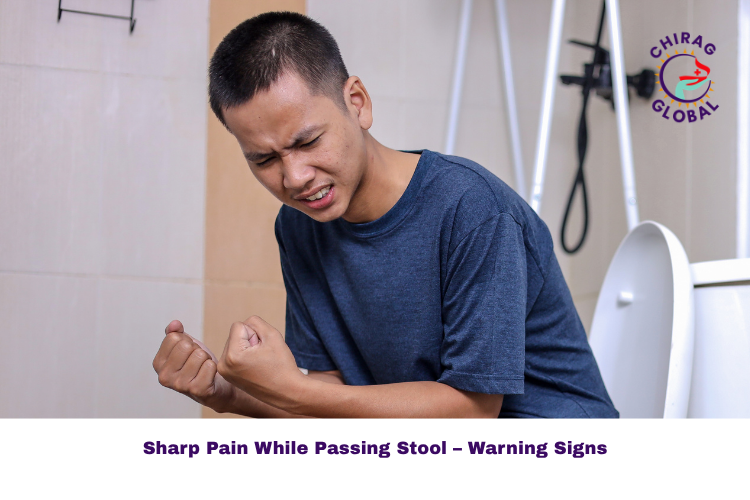

A fissure may look like a small tear, but when it does not heal properly or keeps returning, it can become painful, frustrating, and difficult to manage with temporary creams alone. Many patients experience repeated sharp pain while passing stool, burning after bowel movements, bright red bleeding, and fear of using the toilet.
This is usually when the condition is called a chronic fissure.
If you are searching for chronic fissure treatment, the most important thing to understand is that a recurring fissure is usually not just a surface wound. It may be linked to hard stool, constipation, repeated straining, anal muscle spasm, poor healing, or scar tissue around the fissure. Treatment should focus on both healing the tear and correcting the reason it keeps reopening.
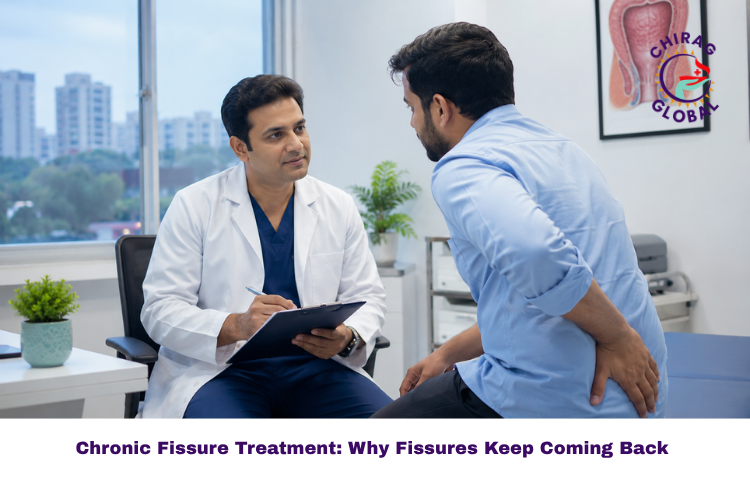
At Chirag Global Hospitals, Bangalore, chronic fissure symptoms are evaluated based on pain pattern, bleeding, constipation history, anal spasm, duration of symptoms, previous treatment response, and recurrence. The treatment plan may include medicines, stool softeners, sitz bath, laser treatment, surgery, or other care depending on the diagnosis.
Dealing with Recurring Fissure Pain?
If fissure pain, burning, or bleeding keeps returning even after creams or medicines, a consultation can help identify whether the fissure has become chronic.
Book a Consultation | Call 08065903127
What Is a Chronic Fissure?
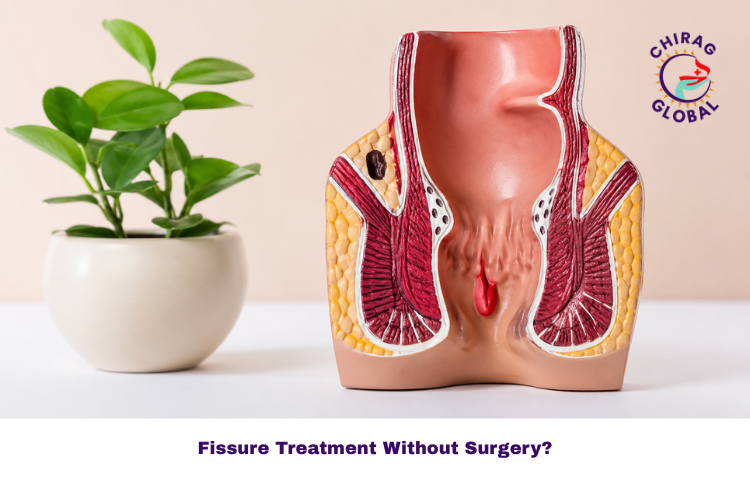
A chronic fissure is an anal fissure that does not heal properly or keeps coming back. An acute fissure is usually recent and may improve with early treatment. A chronic fissure is more persistent and may be associated with anal spasm, repeated tearing, scar tissue, or a small skin tag near the tear.
A chronic fissure may cause:
- Repeated sharp pain while passing stool
- Burning pain after bowel movements
- Bright red bleeding
- Pain lasting for minutes or hours after stool passage
- Constipation due to fear of pain
- Tightness or spasm near the anus
- Fissure symptoms that improve and return again
- Pain after passing hard stool
- Repeated use of creams without lasting relief
Patients with recurring pain while passing stool should not ignore symptoms, especially when pain and bleeding keep coming back.
Why Do Fissures Become Chronic?
A fissure becomes chronic when the tear does not get enough chance to heal. This can happen when stool remains hard, bowel movements are painful, or the anal muscle stays tight.
Common reasons include:
- Chronic constipation
- Passing hard stool repeatedly
- Straining during bowel movements
- Low-fibre diet
- Dehydration
- Long toilet sitting
- Delaying bowel movements
- Anal muscle spasm
- Repeated reopening of the tear
- Incomplete treatment
- Stopping medicines too early
- Scar tissue around the fissure
The tear may reduce for a few days and then reopen with the next hard stool. This repeated cycle is one of the main reasons chronic fissures keep returning.
The Role of Anal Spasm in Chronic Fissure
Anal spasm is one of the key reasons fissures become chronic.
When a fissure occurs, the internal anal muscle may tighten in response to pain. This tightness can make bowel movements more painful. It may also reduce blood flow to the fissure area, making healing slower.
This creates a cycle:
Pain during stool passage leads to muscle spasm.
Muscle spasm delays healing.
Poor healing causes the fissure to reopen.
The reopened fissure causes more pain.
This is why chronic fissure treatment should not focus only on surface creams. The doctor may need to address constipation, stool hardness, anal spasm, and chronic tissue changes.
Chronic Fissure vs Acute Fissure
The difference between acute and chronic fissure matters because treatment may be different.
| Feature | Acute Fissure | Chronic Fissure |
| Duration | Recent | Long-standing or recurring |
| Healing chance | Often improves with early care | May not heal with basic care alone |
| Common cause | Hard stool or sudden tear | Repeated tearing, spasm, poor healing |
| Pain | Sharp pain during stool | Recurring pain, burning, spasm |
| Treatment | Medicines, stool softeners, sitz bath | May need advanced treatment if persistent |
| Recurrence | Lower if constipation is corrected | Higher if root causes continue |
For a complete overview of diagnosis and treatment options, patients can refer to fissure treatment in Bangalore.
Can Chronic Fissure Heal Without Surgery?
Some chronic fissures may improve with proper medical care, especially if constipation and anal spasm are controlled early. However, chronic fissures are less likely to heal if the tear keeps reopening, anal spasm continues, or scar tissue has formed.
Non-surgical care may include:
- Stool softeners if advised
- Fibre-rich diet
- Adequate water intake
- Sitz bath
- Medicines or ointments
- Anal spasm management
- Avoiding straining
- Follow-up monitoring
If symptoms continue despite proper care, the doctor may discuss procedure-based treatment.
Chronic Fissure Treatment Options
The right chronic fissure treatment depends on pain severity, duration, bleeding, constipation, anal spasm, previous treatment response, and examination findings.
1. Stool Softening
Constipation control is one of the most important parts of chronic fissure treatment. If stool remains hard, the fissure may reopen again and again.
Doctors may advise:
- Fibre-rich foods
- Drinking enough water
- Stool softeners if needed
- Avoiding straining
- Avoiding long toilet sitting
- Not delaying bowel movements
- Regular walking
This step is important even if laser treatment or surgery is later required.
2. Medicines and Ointments
Medicines and ointments may help reduce pain, burning, inflammation, or anal spasm. Some medicines may support healing by relaxing the anal muscle or improving comfort during bowel movements.
These may help with:
- Pain during stool passage
- Burning after bowel movement
- Anal spasm
- Local irritation
- Stool hardness
- Healing support in selected cases
Ointments should be used only as advised. Repeated use without diagnosis may delay treatment in chronic cases.
3. Sitz Bath and Local Care
A warm sitz bath may help reduce pain, burning, and anal muscle tightness. It is commonly advised as part of fissure care and recovery support.
Local care may include:
- Gentle cleaning after bowel movements
- Avoiding harsh wiping
- Keeping the area clean and dry
- Avoiding scratching or rubbing
- Using prescribed medicines correctly
These steps may help symptoms but may not be enough if the fissure is long-standing and not healing.
4. Laser Treatment for Chronic Fissure
For selected chronic or recurring fissures, laser fissure treatment in Bangalore may be considered after examination. Laser treatment may help treat fissure-related tissue in suitable cases.
Laser treatment is not needed for every chronic fissure. Suitability depends on:
- Fissure duration
- Pain severity
- Anal spasm
- Chronic tissue changes
- Previous treatment response
- Associated skin tag or scar tissue
- Patient’s overall condition
The doctor decides whether laser treatment is suitable after diagnosis.
5. Fissure Surgery
If a chronic fissure does not heal with medicines, stool softeners, sitz bath, and bowel habit correction, surgery may be considered. Surgery is usually planned when anal spasm or chronic fissure changes prevent healing.
Patients with long-standing or non-healing fissures may need evaluation for fissure surgery in Bangalore.
Surgery is not required for every fissure patient. It is considered only when the condition is suitable and conservative care is not enough.
Why Chronic Fissure Keeps Coming Back After Temporary Relief
Many patients feel better for a few days after using creams or medicines, but the pain returns after the next hard stool. This usually means the root cause has not been corrected.
Common reasons include:
- Constipation not treated properly
- Hard stool reopening the fissure
- Stopping medicines early
- Continued straining
- Low fibre and low water intake
- Long toilet sitting
- Anal spasm not controlled
- Chronic tissue not healing
- Using creams without follow-up
Temporary relief is helpful, but chronic fissure requires a proper plan to break the pain-spasm-constipation cycle.
When Should You See a Doctor for Chronic Fissure?
You should consult a doctor if fissure symptoms are recurring or not improving.
Seek medical care if you have:
- Pain during every bowel movement
- Burning that lasts after stool passage
- Bleeding that keeps returning
- Fissure symptoms lasting for weeks
- Pain that makes you avoid the toilet
- Constipation due to fear of pain
- No lasting relief from creams
- Repeated fissure after medicines
- Swelling, pus, fever, or discharge
- Doubt whether symptoms are fissure or piles
Fissure and piles can sometimes feel similar, but they are different conditions. A fissure is a tear in the anal lining, while piles involve enlarged or inflamed anal cushions that may cause bleeding, swelling, itching, or discomfort.
If you are confused between the two, read fissure vs piles to understand the symptom differences.
How to Prevent Chronic Fissure from Returning
Prevention is important because fissures can come back if the bowel habits that caused them continue.
To reduce recurrence:
- Eat fibre-rich foods daily
- Drink enough water
- Avoid straining
- Treat constipation early
- Do not delay bowel movements
- Avoid sitting on the toilet for too long
- Walk regularly
- Follow prescribed treatment correctly
- Attend follow-up if symptoms continue
- Avoid repeated self-medication
The goal is to keep stool soft and reduce pressure during bowel movements.
What Not to Do If You Have a Chronic Fissure
Avoid these common mistakes:
- Using creams repeatedly without diagnosis
- Ignoring bleeding
- Forcing bowel movements
- Sitting on the toilet for long periods
- Stopping medicines once pain reduces
- Avoiding food due to fear of stool
- Delaying care despite recurring pain
- Assuming every anal pain is piles
- Trying multiple home remedies for severe pain
Chronic fissure needs consistent bowel care and medical guidance, not repeated temporary fixes.
Final Thoughts
A chronic fissure can keep returning when constipation, hard stool, anal spasm, or poor healing continues. Temporary creams may reduce pain for a short time, but they may not solve the underlying cause.
If you are looking for chronic fissure treatment, the safest approach is to get evaluated, understand why the fissure is recurring, and choose treatment based on diagnosis. At Chirag Global Hospitals, chronic fissure care is planned after assessing pain pattern, bleeding, constipation, anal spasm, recurrence history, and previous treatment response.
With the right treatment and bowel habit correction, many patients can reduce recurring symptoms and improve comfort during bowel movements.
FAQs on Chronic Fissure Treatment
1. What is a chronic fissure?
A chronic fissure is an anal fissure that does not heal properly or keeps coming back. It may be linked to constipation, anal spasm, or repeated tearing.
2. Why does my fissure keep coming back?
Fissure may return due to hard stool, constipation, straining, low fibre intake, dehydration, long toilet sitting, anal spasm, or incomplete treatment.
3. Can chronic fissure heal without surgery?
Some chronic fissures may improve with medicines, stool softeners, sitz bath, and bowel habit correction.
4. When should I see a doctor for chronic fissure?
You should see a doctor if pain, burning, or bleeding keeps returning, symptoms last for weeks, or creams and medicines provide only temporary relief.
5. Is laser treatment useful for chronic fissure?
Laser treatment may be suitable for selected chronic or recurring fissures. Suitability depends on diagnosis, fissure duration, anal spasm, and previous treatment response.
6. When is surgery needed for chronic fissure?
Surgery may be considered when chronic fissure does not heal with medicines, stool softeners, sitz bath, and bowel habit correction.
7. Can chronic fissure come back after treatment?
Yes, fissure can return if constipation, hard stool, straining, dehydration, and poor bowel habits continue. Prevention is important after treatment.