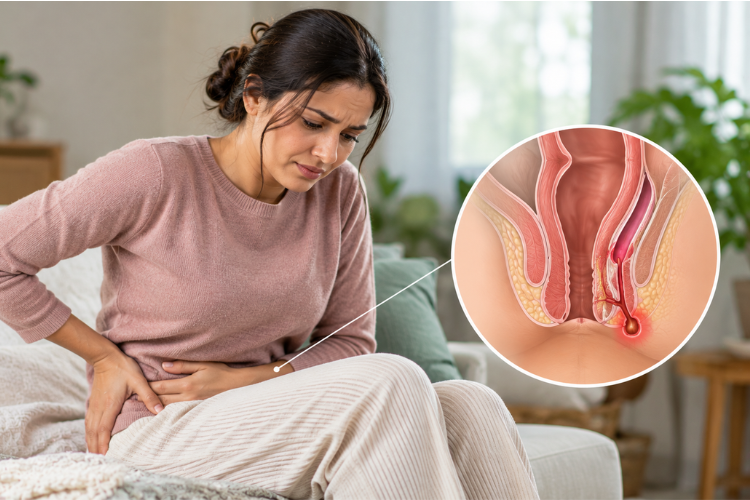


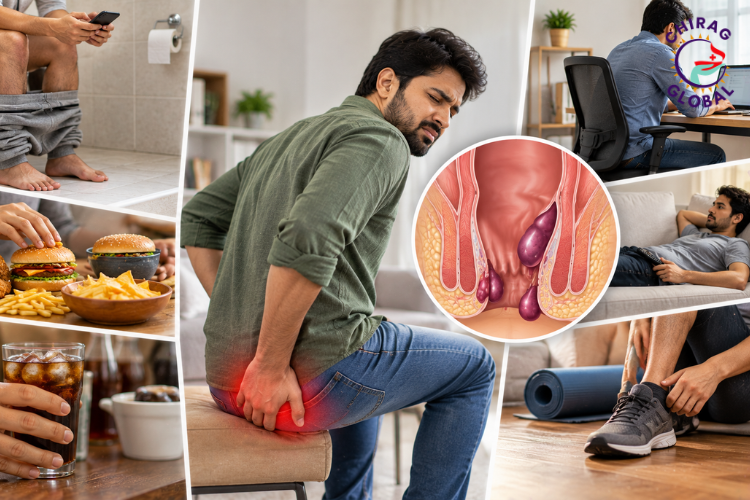
Piles, commonly known as hemorrhoids, are a concern many people may prefer not to discuss. Yet everyday routines can influence bowel habits and the way people use the toilet. Long hours of sitting, ignoring the urge to use the bathroom, spending excessive time on the toilet, and an inconsistent diet are some of the habits frequently discussed in relation to piles.
The good news is that understanding these habits can help you make more informed lifestyle choices. This guide from Chirag Global Hospitals, Bangalore looks at common daily routines associated with piles and simple ways to develop healthier bowel habits.
If you have ongoing concerns related to piles or bowel habits, consider speaking with a qualified healthcare professional at Chirag Global Hospitals in Bangalore for appropriate guidance.
Book a Consultation | Call 08065903127
Everyday Habits That May Be Linked With Piles
Daily routines often become automatic. Because of this, people may not notice how frequently they sit for long periods, delay bathroom visits, or spend unnecessary time scrolling while on the toilet.
Here are some common habits worth reviewing.
1. Sitting for Long Hours
Modern work often involves sitting at a desk for several hours at a time. Long periods of inactivity can also mean fewer movement breaks throughout the day.
If your routine involves sitting for most of the working day, consider building short movement breaks into your schedule. Standing up, walking around the workplace, or simply changing position can make your daily routine less sedentary.
For people working from home, it can be particularly easy to remain seated for extended periods without noticing.
2. Spending Too Much Time on the Toilet
The toilet should not become a place to catch up on social media, watch videos, or read for an extended period.
Taking your phone into the bathroom can make a quick bathroom visit much longer than necessary. Instead, try to keep bathroom visits focused on the task itself.
This is a small habit, but changing it can make your overall bathroom routine more intentional.
3. Straining During Bowel Movements
Straining is another bathroom habit that deserves attention.
Some people may continue pushing even when a bowel movement is difficult or does not happen naturally. Repeated straining can become part of an established bathroom routine.
Rather than forcing a bowel movement, pay attention to your body’s natural signals and avoid turning bathroom visits into prolonged sessions.
If difficulty with bowel movements becomes a recurring concern, discussing it with a healthcare professional can help identify the appropriate next step.
4. Ignoring the Urge to Use the Bathroom
Busy schedules can make it tempting to postpone a bathroom visit.
This can happen during work meetings, travel, school, shopping, or long periods away from home. Over time, delaying bathroom visits may become a routine habit.
Try to pay attention to your body’s signals instead of routinely postponing them. Planning adequate bathroom time during a busy day can also make this easier.
5. Not Paying Attention to Fibre Intake
Dietary fibre is commonly associated with regular bowel habits. However, many people do not pay much attention to how much fibre they consume each day.
Meals built mainly around highly processed foods may contain less fibre than meals that include foods such as:
- Vegetables
- Fruits
- Whole grains
- Pulses and legumes
- Nuts and seeds
Instead of making sudden major dietary changes, look at your regular meals and consider where naturally fibre-rich foods can fit into your routine.
6. Not Drinking Enough Fluids
Busy schedules can also mean forgetting to drink fluids regularly.
Keep water accessible during work, travel, or other daily activities. Rather than waiting until you feel very thirsty, make drinking fluids part of your normal routine.
Individual fluid needs can differ, so people with specific health conditions or fluid restrictions should follow advice provided by their healthcare professional.
7. Being Physically Inactive
A sedentary lifestyle can involve more than simply sitting at work. Long commutes, extended screen time, and limited physical activity can all contribute to a routine with very little movement.
Look at your entire day rather than focusing only on exercise sessions. Walking during breaks, taking the stairs when appropriate, or adding movement between tasks can help make the day less sedentary.
The goal is to build movement into everyday life rather than relying entirely on a single workout.
8. Following an Irregular Bathroom Routine
Some people rush through bathroom visits in the morning, while others postpone them until later in the day.
A rushed schedule can make it difficult to pay attention to normal bowel habits. Creating enough time for a comfortable bathroom routine can be a useful lifestyle adjustment.
There is no universal bathroom schedule that works for everyone. The more important point is to avoid repeatedly ignoring your body’s signals.
Everyday Habits Worth Reviewing
You do not necessarily need to change everything at once. Start by looking at the routines that are easiest to adjust.
Consider this simple checklist:
- Do you sit continuously for several hours?
- Do you regularly delay bathroom visits?
- Do you spend a long time on the toilet?
- Do you frequently strain during bowel movements?
- Does your regular diet contain a variety of fibre-rich foods?
- Do you often forget to drink fluids?
- Does most of your day involve very little movement?
- Do you rush bathroom visits because of your schedule?
Identifying patterns is often a useful first step toward making more mindful lifestyle choices.
When Should You Pay Attention to Changes?
People may sometimes dismiss concerns around bowel movements because they assume the problem will disappear on its own.
However, recurring, persistent, or unusual symptoms should not simply be self-labelled as piles. Similar-looking concerns can have different explanations, and a healthcare professional can determine whether further assessment is appropriate.
Consider seeking professional guidance if you notice a change that continues, keeps returning, or causes significant concern.
If you are unsure whether your symptoms may be related to piles or another condition, Chirag Global Hospitals in Bangalore can provide an opportunity to discuss your concerns with a qualified healthcare professional.
How Can You Build Better Bathroom Habits?
Small changes can make your routine more organised and mindful.
Keep Bathroom Visits Focused
Avoid turning bathroom time into extended screen time. Leaving your phone outside the bathroom can be a simple way to prevent unnecessarily long visits.
Respond to Natural Signals
When your body signals that you need to use the bathroom, avoid routinely postponing the visit because of work or other activities.
Review Your Daily Meals
Look at your normal meals and identify opportunities to include a wider variety of fibre-rich foods such as fruits, vegetables, whole grains, pulses, nuts, and seeds.
Add Movement to Your Day
If you work at a desk, consider taking short breaks from sitting. Simple movement throughout the day can be easier to maintain than waiting for a single opportunity to be active.
Keep Your Routine Consistent
Rather than making several dramatic changes at once, focus on habits that you can realistically maintain. Consistency is often easier when changes fit naturally into your daily schedule.
Piles and Lifestyle: What Should You Remember?
There is no single everyday habit that can be used to predict whether someone will develop piles.
Instead, it is useful to look at your overall routine. Long periods of sitting, prolonged toilet visits, repeated straining, delaying bathroom visits, limited movement, and an inconsistent approach to diet and fluids are all habits worth reviewing when thinking about general bowel health.
Most importantly, avoid assuming that a particular symptom automatically means you have piles. If something concerns you or keeps returning, professional evaluation is more appropriate than self-diagnosis.
Looking for professional guidance for piles-related concerns in Bangalore? Chirag Global Hospitals provides an opportunity to discuss your concerns with a qualified healthcare professional and understand the appropriate next steps.
FAQs
What everyday habits increase the risk of piles?
Habits commonly discussed in relation to piles include prolonged sitting, spending too much time on the toilet, repeated straining during bowel movements, delaying bathroom visits, limited physical activity, and an inconsistent diet.
Can sitting for long hours be linked with piles?
Long periods of sitting are often discussed as a lifestyle factor associated with piles. If your work involves sitting for several hours, taking regular movement breaks can help make your daily routine less sedentary.
Does spending too much time on the toilet increase the risk of piles?
Spending unnecessarily long periods on the toilet is a habit worth avoiding. Using the bathroom should generally be a focused activity rather than an extended period of sitting and screen use.
Can straining during bowel movements be a problem?
Repeated straining is a bathroom habit that should not be ignored. If bowel movements are frequently difficult or require significant effort, consider discussing the concern with a healthcare professional.
Can an unhealthy diet be related to piles?
Diet is one aspect of overall bowel habits. Meals that include a variety of fibre-rich foods can be part of a balanced lifestyle. If you have ongoing bowel concerns, individual dietary guidance may be appropriate.
How can I improve my bathroom habits?
Start with simple changes such as avoiding prolonged toilet visits, responding to natural bathroom signals, allowing enough time for bathroom visits, staying active throughout the day, and reviewing the variety of foods in your regular diet.
Should I see a doctor for recurring piles symptoms?
Recurring or unusual symptoms should not automatically be assumed to be piles. A qualified healthcare professional can assess your concerns and determine whether further evaluation is appropriate.