

Fistula in women can refer to an abnormal passage that develops between two organs or body structures. When the connection occurs between the rectum and vagina, it is known as a rectovaginal fistula. Because this condition involves areas that are closely connected, women may notice changes that can be uncomfortable, confusing, or difficult to discuss.
Understanding what a rectovaginal fistula is, what may contribute to it, the symptoms that can occur, and how doctors generally approach diagnosis and treatment can make the condition easier to discuss with a healthcare professional.
Chirag Global Hospitals in Bangalore provides access to specialist evaluation for women experiencing concerns related to colorectal and pelvic health.
If you are experiencing unusual symptoms or are concerned about a possible fistula, consider discussing them with an appropriate healthcare specialist for an individual evaluation.
Book a Consultation | Call 08065903127
What Is a Rectovaginal Fistula?
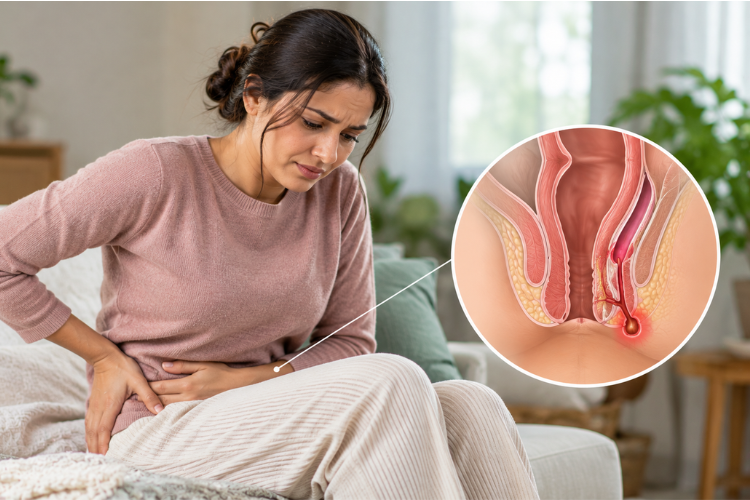
A rectovaginal fistula is an abnormal connection between the rectum and the vagina. Normally, these structures are separate. With a fistula, the abnormal passage can allow material from the rectum to reach the vagina.
The size and location of a fistula can vary. Some may be relatively small, while others can involve a more complicated area of the surrounding tissue.
The term “fistula in women” covers different types of fistulas. A rectovaginal fistula specifically involves the lower digestive tract and vagina.
What Causes a Fistula in Women?
There is no single cause of fistula in women. A healthcare professional may consider several possible contributing factors when evaluating an individual.
Fistula After Childbirth
One possible cause is injury to tissues during childbirth. Complicated or difficult deliveries can sometimes be associated with tissue damage involving the area between the vagina and rectum.
A history of childbirth, particularly when symptoms began after delivery, may therefore be relevant when discussing a possible rectovaginal fistula with a doctor.
Previous Pelvic or Rectal Surgery
Previous surgery involving the rectum, colon, vagina, uterus, or nearby pelvic structures may be considered during an evaluation.
The timing of symptoms in relation to a previous procedure can provide useful information for the treating specialist.
Inflammatory Bowel Conditions
Certain inflammatory bowel conditions, including Crohn’s disease, can be associated with fistula formation. When this is suspected, the broader digestive health history may be considered as part of the assessment.
Infection or Abscess
An infection or abscess in the tissues around the rectum or vagina may also be relevant. If an abnormal passage develops after such a problem, the doctor may investigate whether the two conditions are connected.
Radiation or Other Tissue Injury
Previous radiation involving the pelvic area and certain forms of tissue injury may also be considered when identifying possible causes.
Because several conditions can have similar symptoms, identifying the underlying cause is an important part of planning further care.
What Are the Symptoms of a Rectovaginal Fistula?
Symptoms can vary depending on the location and characteristics of the fistula.
Possible symptoms may include:
- Passage of gas through the vagina
- Passage of stool or stool-like material through the vagina
- Unusual vaginal discharge
- Unpleasant or unusual odour
- Irritation around the vaginal or anal area
- Repeated discomfort in the pelvic or genital region
- Symptoms that began following childbirth, pelvic surgery, infection, or another relevant event
Not every woman with these symptoms will have a rectovaginal fistula. Similar symptoms can occur with other conditions, which is why an appropriate clinical evaluation is important.
How Is Rectovaginal Fistula Diagnosed?
Diagnosis generally begins with a detailed discussion of symptoms and medical history.
A doctor may ask about:
- When the symptoms started
- Whether symptoms followed childbirth or surgery
- Previous bowel or pelvic conditions
- Previous infections or procedures
- Changes in bowel habits
- The nature and frequency of discharge or leakage
Physical Examination
A pelvic examination and examination of the rectal area may be considered to look for an opening or other findings associated with a fistula.
Additional Tests
Depending on the findings, additional tests may be considered. These can include imaging studies or examinations that provide a closer view of the rectum, vagina, or surrounding pelvic structures.
The choice of testing depends on the suspected location and complexity of the fistula and the individual’s clinical history.
What Is the Treatment for a Rectovaginal Fistula?
Treatment for rectovaginal fistula is not identical for every woman. The approach depends on factors such as the location and size of the fistula, the condition of the surrounding tissue, the underlying cause, previous treatment, and other health considerations.
Addressing the Underlying Cause
When an underlying condition is identified, treatment planning may include managing that condition as part of the overall approach.
For example, a doctor may consider whether inflammation, infection, previous surgery, childbirth-related injury, or another factor is involved.
Observation in Selected Cases
In certain situations, a specialist may discuss observation and supportive management before deciding whether a procedure is appropriate.
This decision is individualized and depends on the characteristics of the fistula and the surrounding tissues.
Surgical Treatment
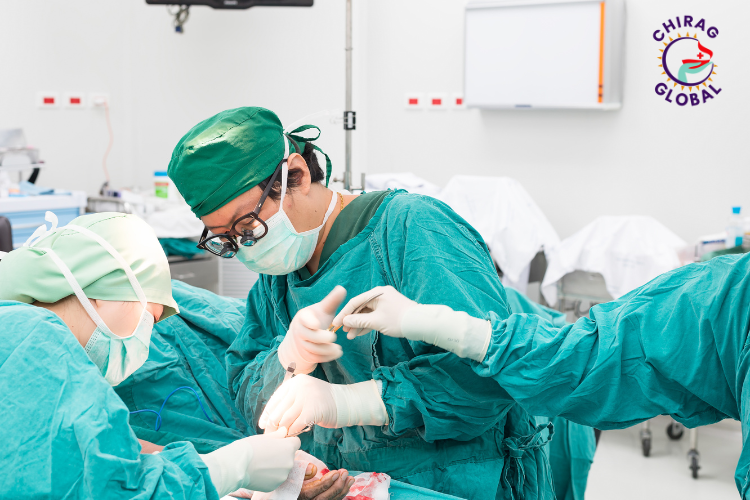
Surgery may be considered when a fistula persists or when the clinical situation makes repair appropriate.
The specific procedure depends on the location of the fistula and the tissues involved. Surgical approaches may involve closing the abnormal passage and repairing the surrounding tissue.
Some complex cases may require a staged approach rather than a single procedure.
Temporary Diversion in Selected Cases
For certain complex fistulas, a temporary procedure to divert stool away from the affected area may be considered. Whether this is appropriate depends on the individual situation and the surgical plan.
A specialist can explain why a particular approach is being considered and what it involves.
If you have concerns about symptoms that may indicate a rectovaginal fistula, speaking with a specialist can help clarify the possible cause and appropriate next steps. Chirag Global Hospitals in Bangalore can be considered for specialist evaluation.
What Can Affect Treatment Planning?
Several factors can influence how a rectovaginal fistula is evaluated and treated.
These may include:
- Location of the fistula
- Size of the abnormal opening
- Cause of the fistula
- Condition of the surrounding tissue
- Presence of inflammation or infection
- Previous operations
- Previous attempts at fistula repair
- Other bowel or pelvic conditions
This is why treatment should be planned after an individual assessment rather than based only on symptoms or information found online.
When Should You Seek Medical Evaluation?
Persistent or unusual passage of gas or stool through the vagina warrants discussion with a healthcare professional, particularly when it begins after childbirth, pelvic surgery, infection, or another significant event.
It can also be useful to seek evaluation when symptoms are persistent, recurring, or affecting everyday activities.
A specialist can determine whether the symptoms are consistent with a rectovaginal fistula or whether another condition should be considered.
Fistula in Women: What Should You Remember?
A rectovaginal fistula is one specific type of fistula in women involving an abnormal connection between the rectum and vagina.
The possible causes, symptoms, diagnostic approach, and treatment options can differ from one person to another. Understanding the condition is useful, but an individual assessment is needed to determine what may be causing particular symptoms.
If you are concerned about a possible rectovaginal fistula, keeping track of when symptoms started and whether they followed childbirth, surgery, infection, or another event can help provide useful information during a medical consultation.
Visit Chirag Global Hospitals!
FAQs
What is a rectovaginal fistula?
A rectovaginal fistula is an abnormal connection between the rectum and vagina. It can allow gas, stool, or other rectal contents to pass into the vagina.
What are the symptoms of a rectovaginal fistula?
Possible symptoms include passage of gas or stool through the vagina, unusual discharge or odour, and irritation or discomfort around the vaginal or anal area. Symptoms can vary between individuals.
What causes fistula in women?
Possible causes include childbirth-related tissue injury, previous pelvic or rectal surgery, inflammatory bowel conditions such as Crohn’s disease, infections or abscesses, and certain forms of pelvic tissue injury.
Can a fistula develop after childbirth?
A rectovaginal fistula can be associated with childbirth-related tissue injury. If unusual symptoms begin after delivery, an appropriate healthcare evaluation can help determine the cause.
How is a rectovaginal fistula diagnosed?
Diagnosis may involve a discussion of symptoms and medical history, a pelvic or rectal examination, and, when appropriate, additional tests or imaging to understand the location and characteristics of the fistula.
What is the treatment for rectovaginal fistula?
Treatment depends on the cause, location, size, surrounding tissue, and other individual factors. Depending on the situation, management may involve addressing an underlying condition, observation in selected cases, surgical repair, or a staged approach.
Is surgery always required for a rectovaginal fistula?
Not necessarily. The appropriate approach depends on the individual case. A specialist may consider the characteristics of the fistula and the condition of the surrounding tissues before recommending a treatment approach.
When should I see a doctor for a possible rectovaginal fistula?
Consider seeking medical evaluation if you notice persistent or unusual passage of gas or stool through the vagina, particularly when symptoms follow childbirth, pelvic surgery, infection, or another significant event.