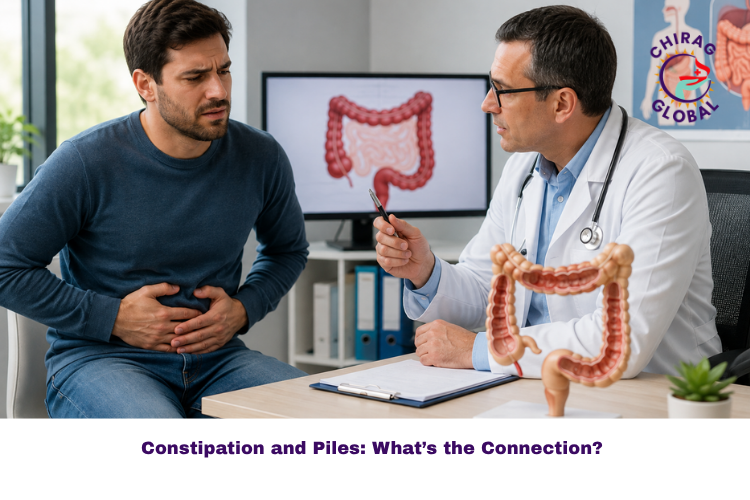

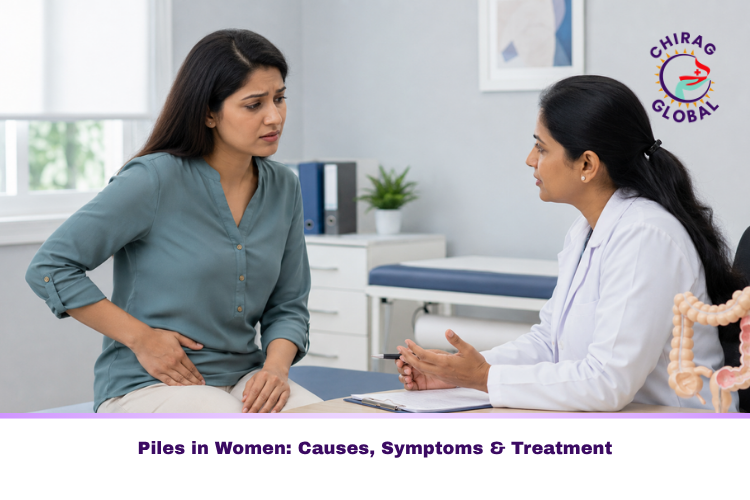
Piles in women are common but are often not discussed openly because symptoms around the anal region can feel embarrassing or uncomfortable to talk about. In reality, hemorrhoids can affect women at different stages of life, and certain situations—including pregnancy, childbirth, constipation, and hormonal changes—can increase the likelihood of developing symptoms.
Piles occur when the blood vessels and supporting tissues in and around the anal canal become swollen or enlarged. They may cause bleeding, itching, discomfort, swelling, or a lump around the anus. Some women may have hemorrhoids without experiencing any symptoms at all.
Understanding why piles occur, recognising their symptoms, and knowing when medical evaluation is needed can make treatment easier and help prevent recurring problems.
At Chirag Global Hospitals, Bangalore, women experiencing persistent piles, rectal bleeding, anal discomfort, or recurrent constipation can undergo specialist evaluation to identify the cause and discuss appropriate treatment.
Book a Consultation | Call 08065903127
Why Are Piles Common in Women?
Women can develop piles for the same reasons as men, including constipation, straining, prolonged toilet sitting, and low physical activity.
However, certain female-specific circumstances can increase pressure in the pelvic and anal regions.
Important risk factors include:
- Pregnancy
- Vaginal childbirth
- Constipation during pregnancy
- Increased pressure from the growing uterus
- Hormonal changes during pregnancy
- Straining during labour
- Postpartum constipation
- Changes in bowel habits
- Prolonged sitting
- Low-fibre diets
These factors do not mean that every woman will develop hemorrhoids. Individual risk varies.
Piles During Pregnancy
Pregnancy is an important risk factor for piles in women.
As pregnancy progresses, the growing uterus places increasing pressure on blood vessels in the pelvic region. Hormonal changes can also slow bowel movements, making constipation more likely.
Pregnancy-related constipation may then lead to:
Hard stool → straining → increased pressure → hemorrhoidal irritation.
Hemorrhoids may become particularly noticeable during the later stages of pregnancy.
Some women develop symptoms for the first time during pregnancy, while others may experience worsening of previously existing hemorrhoids.
Piles After Childbirth
Piles can also develop or become more symptomatic after childbirth.
During vaginal delivery, prolonged pushing and straining can place considerable pressure on the tissues around the anus.
After delivery, additional factors may contribute, including:
- Constipation
- Reduced physical activity
- Changes in diet
- Dehydration
- Difficulty establishing a regular bowel routine
- Pain or discomfort when using the toilet
Postpartum hemorrhoids often improve as the body recovers, but persistent or severe symptoms should not simply be ignored.
Common Symptoms of Piles in Women
Symptoms vary depending on the type and severity of hemorrhoids.
Common symptoms include:
Rectal Bleeding
Bright-red blood may appear on toilet paper, on the surface of stool, or in the toilet bowl.
Anal Itching
Swollen tissue, mucus, or difficulty keeping the area clean can contribute to itching.
Pain or Discomfort
External hemorrhoids can become painful, particularly when a clot develops.
Lump Around the Anus
An external hemorrhoid may feel like a lump near the anal opening.
Prolapse
An internal hemorrhoid may protrude through the anus during bowel movements.
Swelling or Irritation
The skin around the anus may feel swollen or irritated.
Not every woman with piles will experience all these symptoms.
Does Constipation Cause Piles in Women?
Constipation can contribute significantly to hemorrhoidal symptoms.
When stools are hard, passing them may require repeated straining. This increases pressure around the anal canal and can aggravate hemorrhoidal tissue.
Women may be particularly vulnerable to constipation during:
- Pregnancy
- The postpartum period
- Periods of reduced activity
- Certain medication use
- Dietary changes
Managing constipation is therefore an important part of preventing and controlling piles.
Can Menstrual Periods Make Piles Worse?
Some women notice changes in bowel habits around their menstrual cycle.
Hormonal fluctuations can affect bowel function, and some women experience constipation, diarrhoea, or changes in bowel movements around their period.
If constipation or diarrhoea occurs repeatedly around menstruation, hemorrhoidal symptoms may become more noticeable.
However, persistent rectal bleeding should not automatically be attributed to menstruation or piles. If bleeding continues or its source is unclear, medical evaluation is appropriate.
Can Piles Cause Heavy Bleeding in Women?
Hemorrhoids can cause rectal bleeding, but heavy or persistent bleeding should never simply be assumed to be piles.
Blood from internal hemorrhoids is often bright red.
However, rectal bleeding can also occur because of:
- Anal fissures
- Polyps
- Inflammatory bowel disease
- Diverticular disease
- Colorectal conditions
- Other gastrointestinal problems
Women should seek medical evaluation for recurrent, heavy, unexplained, or unusual rectal bleeding.
This is particularly important when bleeding occurs alongside:
- Unexplained weight loss
- Persistent changes in bowel habits
- Abdominal symptoms
- Fatigue
- Anaemia
- A family history of colorectal disease
Are Piles in Women Dangerous?
Most hemorrhoids are not dangerous and can often be managed effectively.
However, persistent symptoms deserve attention because untreated or repeatedly irritated hemorrhoids can continue to cause:
- Recurrent bleeding
- Persistent discomfort
- Prolapse
- Difficulty maintaining hygiene
- Skin irritation
- Reduced quality of life
Severe symptoms may require a procedure or surgical treatment.
The important point is that not every symptom around the anus is caused by hemorrhoids, so an accurate diagnosis matters.
Piles in Women: When Pregnancy Changes the Approach
Pregnant women should not self-medicate for hemorrhoids without discussing treatment with their healthcare provider.
Treatment during pregnancy focuses on safe measures such as:
- Preventing constipation
- Maintaining appropriate hydration
- Eating adequate fibre
- Staying active when medically appropriate
- Avoiding excessive straining
Any medication or procedure during pregnancy should be considered based on the individual’s pregnancy and overall health.
For persistent symptoms, an obstetrician and appropriate specialist can guide management.
Conclusion
Piles in women are common and can occur because of many of the same factors that affect men, while pregnancy, childbirth, constipation, and changes in bowel habits can add specific risk factors for women.
Hard stools and repeated straining can aggravate hemorrhoids, making constipation management an important part of prevention and treatment.
Although mild piles may improve with fibre, appropriate hydration, physical activity, and healthier toilet habits, persistent bleeding, severe pain, recurrent prolapse, or unexplained bowel changes should be assessed by a specialist.
At Chirag Global Hospitals, Bangalore, women with piles and other anorectal symptoms can receive appropriate evaluation to determine the cause of their symptoms and discuss treatment options suited to their condition.
Visit Chirag Global Hospitals Today!
Frequently Asked Questions
Are piles common in women?
Yes. Women can develop piles at any age. Pregnancy, childbirth, constipation, straining, and other factors can increase the risk.
Why do women get piles during pregnancy?
The growing uterus can increase pressure on pelvic blood vessels, while hormonal changes may slow bowel movements and contribute to constipation. These factors can increase the likelihood of hemorrhoidal symptoms.
Can piles develop after childbirth?
Yes. Straining during labour and postpartum constipation can contribute to hemorrhoids or worsen existing piles.
Can piles go away on their own?
Mild hemorrhoidal symptoms may improve with better bowel habits and lifestyle measures. Persistent or advanced hemorrhoids may require medical treatment.
Is bleeding from piles normal?
Rectal bleeding can occur with hemorrhoids, particularly internal hemorrhoids. However, recurrent or unexplained bleeding should be evaluated because other conditions can also cause blood in the stool.
Can constipation cause piles in women?
Yes. Hard stools and repeated straining can contribute to hemorrhoidal swelling and symptoms.