


An anal fistula can be frustrating when symptoms return after treatment. Some patients notice pus discharge again, swelling near the anus, pain while sitting, a small opening that reappears, or another abscess in the same area. This can make them wonder why the fistula came back and whether the previous treatment was incomplete.
If you are searching for recurrent fistula treatment, the most important step is to identify why the fistula has returned. Recurrence may happen because of a missed internal opening, secondary tract, complex fistula anatomy, ongoing infection, abscess formation, incomplete healing, or an underlying condition such as Crohn’s disease, ulcerative colitis, tuberculosis, HIV-related infection, trauma, or previous surgery.
At Chirag Global Hospitals, Bangalore, recurrent fistula is evaluated by reviewing the patient’s previous treatment, discharge pattern, abscess history, tract complexity, sphincter involvement, and imaging findings where needed. The goal is to identify the complete fistula tract and plan treatment based on the actual cause of recurrence.
Fistula Symptoms Coming Back?
If pus discharge, swelling, pain, or abscess keeps returning after previous treatment, a consultation can help identify whether there is a recurrent fistula, hidden tract, or untreated internal opening.
Book a Consultation | Call 08065903127
What Is a Recurrent Fistula?
A recurrent fistula is an anal fistula that comes back after previous treatment or appears to heal temporarily but later starts causing symptoms again.
A recurrent fistula may cause:
- Pus discharge near the anus
- Swelling near the previous treatment site
- Pain while sitting
- Recurrent abscess
- A small opening near the anus
- Bad-smelling leakage
- Blood-tinged discharge
- Skin irritation due to moisture
- Symptoms that improve and return again
In some cases, symptoms may return within weeks. In others, recurrence may appear months or even longer after treatment. The timing depends on fistula type, infection status, healing response, previous treatment method, and whether the complete tract was identified and treated.
Why Does Fistula Come Back?
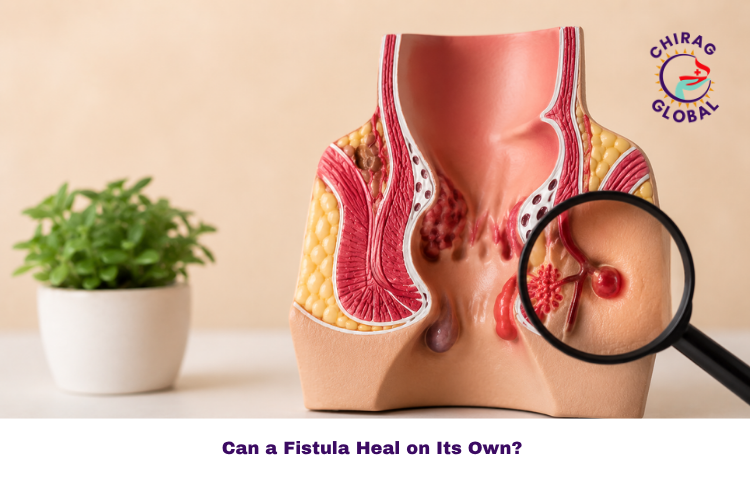
Fistula recurrence can happen for several reasons. Anal fistula treatment is not only about closing the visible external opening. The internal opening, tract direction, abscess pockets, secondary branches, and relation to sphincter muscles must be understood properly.
Common reasons fistula comes back include:
- Missed internal opening
- Secondary tract or branch not identified
- Complex fistula anatomy
- Ongoing infection
- Recurrent abscess
- Incomplete healing
- Previous drainage without definitive fistula treatment
- Poor wound care or missed follow-up
- Inflammatory bowel disease in selected patients
- Deep tract involving sphincter muscles
- Multiple openings near the anus
- Previous surgery or radiation therapy in selected cases
- Certain infections, including tuberculosis or HIV-related infection
This is why recurrent fistula needs careful evaluation before choosing another treatment.
Missed Internal Opening: A Common Reason for Recurrence
The internal opening is the starting point of the fistula inside the anal canal. If this opening is not identified or treated properly, the fistula may continue to drain or come back after treatment.
A missed internal opening may lead to:
- Repeated pus discharge
- Recurrent abscess
- Persistent infection
- New external opening
- Delayed healing
- Fistula recurrence
In recurrent fistula cases, identifying the internal opening is one of the most important parts of diagnosis and treatment planning.
Secondary Branches and Complex Tracts
Some fistulas are not simple straight tracts. They may have branches, side channels, hidden abscess pockets, or deeper extensions. If any part of the tract is missed, symptoms may return.
Complex fistulas may be associated with:
- Multiple openings
- High tract position
- Branching tract
- Recurrent abscess
- Sphincter muscle involvement
- Previous fistula surgery
- Deep infection pockets
- Horseshoe-shaped tract pattern in selected cases
A complex fistula requires careful mapping before treatment. This is where imaging such as MRI fistulogram may help.
Signs That Fistula Has Come Back
You should suspect recurrence if symptoms return after previous fistula treatment.
Common signs include:
- Pus discharge from the same area
- New discharge near the previous site
- Recurrent swelling near the anus
- Pain while sitting
- Bad-smelling leakage
- Blood-tinged discharge
- A small opening reappearing
- Swelling that bursts and drains
- Fever or fatigue with swelling
- Abscess forming again
If symptoms return after treatment, do not depend only on antibiotics, creams, or home remedies. A recurrent fistula needs proper assessment.
Recurrent Fistula vs Normal Healing: How to Tell the Difference
After fistula treatment, some discharge or discomfort may be part of healing, depending on the procedure. However, persistent or returning symptoms may suggest recurrence.
| Healing Concern | May Be Part of Recovery | May Suggest Recurrence |
| Mild discomfort | Can happen after treatment | Severe or increasing pain needs review |
| Minor discharge | May occur during healing | Persistent pus or bad smell needs evaluation |
| Swelling | Mild swelling may reduce | Recurrent painful swelling may suggest abscess |
| External opening | May heal gradually | Reopening with discharge may suggest recurrence |
| Pain | Should gradually improve | Pain returning after relief may need diagnosis |
Follow-up visits are important because the doctor can check whether healing is progressing correctly.
Why Recurrent Fistula Should Not Be Ignored
A recurrent fistula may become more complex if not evaluated properly. Repeated infection can lead to new tracts, multiple openings, abscess formation, and difficult treatment planning.
Ignoring recurrence may increase the risk of:
- Repeated abscess
- Chronic pus discharge
- Multiple fistula openings
- Complex tract formation
- Persistent pain
- Skin irritation
- Infection spreading to nearby tissue
- More complicated treatment later
- Higher recurrence risk
Early evaluation can help identify the tract before the infection becomes more difficult to manage.
Recurrent Fistula Treatment Options at Chirag Global Hospitals
The right recurrent fistula treatment depends on the fistula tract, internal opening, external opening, abscess history, infection status, sphincter involvement, previous treatment, and whether the fistula is simple or complex.
At Chirag Global Hospitals, Bangalore, the colorectal and proctology team evaluates the fistula carefully before recommending a treatment plan. Depending on the diagnosis and suitability, treatment options may include fistulotomy, fistulectomy, seton application, LIFT, VAAFT, SLOFT, glue plug, fibrin glue, mucosal advancement flap, Kshara sutra or Kshara karma, PREFACT, total excision and repair, CEREG-based assessment or guidance, and other advanced approaches where clinically appropriate.
The doctor may also advise abscess drainage if pus collection or active infection is present. In selected complex cases, staged treatment may be needed to control infection, protect sphincter function, and reduce the risk of recurrence.
Not every procedure is suitable for every patient. The right treatment is decided only after examination, fistula tract assessment, and imaging such as MRI fistulogram where required.
Can Recurrent Fistula Be Treated Without Surgery?
Many recurrent fistulas do not close with medicines alone because the tract remains open. Medicines may help control infection or symptoms, but procedure-based treatment is often needed when discharge, abscess, or tract recurrence continues.
Non-surgical care may be used to:
- Control infection
- Reduce pain
- Manage inflammation
- Support wound care
- Prepare for a procedure
- Monitor healing after drainage
How to Reduce the Risk of Fistula Recurrence
Not every recurrence can be prevented, especially in complex fistulas, but proper diagnosis and follow-up can reduce avoidable risks.
Helpful steps include:
- Complete the recommended treatment plan
- Attend follow-up visits
- Report discharge or swelling early
- Maintain wound hygiene as advised
- Do not ignore recurrent abscess
- Avoid repeated self-medication
- Manage associated conditions if present
- Follow post-procedure wound care instructions
- Get imaging if the doctor advises it
- Seek care early if symptoms return
Follow-up is especially important after recurrent or complex fistula treatment.
Final Thoughts
Recurrent fistula can happen when the internal opening, secondary branches, infection, abscess, or complex tract anatomy is not fully addressed. It may also occur in patients with complex fistulas, previous abscess history, or underlying inflammatory conditions.
If you are looking for recurrent fistula treatment, the safest approach is accurate diagnosis, tract mapping, infection control, and treatment planning based on fistula complexity. At Chirag Global Hospitals, recurrent fistula care is planned after evaluating previous treatment history, discharge pattern, abscess recurrence, MRI findings where needed, and sphincter involvement.
If pus discharge, swelling, or pain has returned, do not rely only on temporary medicines. Get evaluated and choose treatment based on the actual tract anatomy.
FAQs on Recurrent Fistula Treatment
1. Why does fistula come back after treatment?
Fistula may come back due to a missed internal opening, secondary tract, complex anatomy, ongoing infection, abscess recurrence, incomplete healing, or underlying inflammatory conditions.
2. What are the signs of recurrent fistula?
Signs include pus discharge, swelling near the previous site, pain while sitting, bad-smelling leakage, a small opening near the anus, or recurrent abscess.
3. Can recurrent fistula be treated without surgery?
Medicines may help control infection or symptoms, but many recurrent fistulas need procedure-based treatment because the tract usually does not close on its own.
4. Is MRI needed for recurrent fistula?
MRI fistulogram may be advised in recurrent or complex fistula cases to map the tract, internal opening, secondary branches, abscess pockets, and sphincter involvement.
5. Can laser treatment help recurrent fistula?
Laser treatment may be considered for selected recurrent fistula cases. Suitability depends on tract anatomy, infection, abscess, internal opening, and complexity.
6. Does fistula recurrence mean previous treatment failed?
Not always. Some fistulas are complex and may recur due to hidden branches, infection, or internal openings. A detailed reassessment is needed.