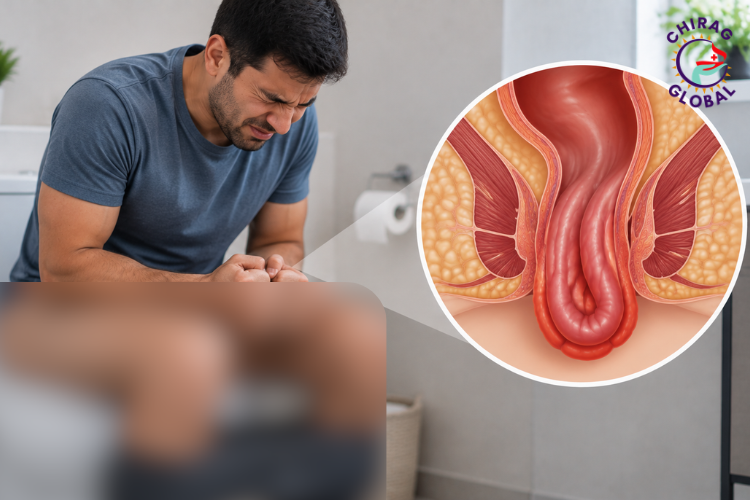


A fistula can become more complicated when it develops multiple channels instead of a single pathway. A multiple tract fistula is a type of complex anal fistula where more than one abnormal tunnel forms between the anal canal or rectum and the surrounding skin. Because these additional tracts can make diagnosis and treatment more challenging, understanding the condition early can help patients seek appropriate care.
Many people with recurring pain, swelling, pus discharge, or repeated abscesses may not realise that they could have a complex fistula. At Chirag Global Hospitals, Bangalore, specialists evaluate fistula conditions using detailed assessments and advanced treatment approaches based on each patient’s individual condition.
If you experience recurring symptoms around the anal area, consulting an experienced specialist can help identify the underlying cause and prevent complications.
Looking for advanced fistula evaluation and treatment in Bangalore?
Book a Consultation | Call 08065903127
What Is a Multiple Tract Fistula?
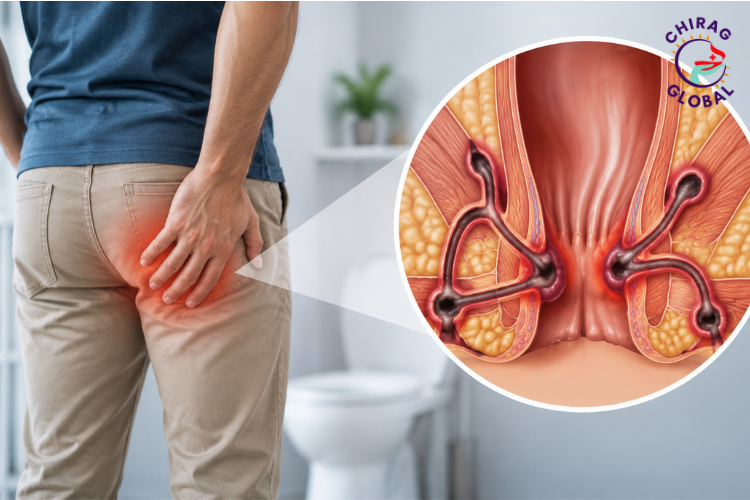
A multiple tract fistula is a complex form of fistula-in-ano where multiple abnormal passages develop around the anal region. These tracts may branch out from the main fistula pathway, creating a network of channels under the skin.
Normally, the anal glands help maintain lubrication inside the anal canal. However, when these glands become blocked and infected, an abscess may form. If the abscess does not heal completely, it can develop into a fistula.
In some cases, instead of forming one simple tract, the infection spreads and creates multiple pathways. This results in a multiple tract fistula that may require more detailed diagnosis and specialised treatment planning.
How Does a Multiple Tract Fistula Develop?
A fistula usually develops after an untreated or incompletely healed anal abscess. The infection creates a pathway from inside the anal canal to the skin surface.
A multiple tract fistula may develop due to:
1. Repeated Anal Abscesses
When an abscess repeatedly forms and drains without proper treatment, new infection pathways may develop, leading to multiple fistula tracts.
2. Incomplete Healing After Previous Treatment
Sometimes, a fistula may return if one or more hidden branches remain untreated during an earlier procedure.
3. Chronic Infection
Long-standing inflammation and infection around the anal region can contribute to the formation of complex fistula pathways.
4. Underlying Medical Conditions
Certain conditions that affect inflammation and immunity may increase the risk of complex fistula development.
These may include:
- Crohn’s disease
- Long-term inflammatory conditions
- Certain infections affecting the anal region
Simple Fistula vs Multiple Tract Fistula: Understanding the Difference
Not all anal fistulas are the same. The complexity depends on factors such as the number of tracts, their location, and their relationship with anal muscles.
Simple Anal Fistula
A simple fistula usually:
- Has one tract
- Has a straightforward pathway
- Is easier to identify and treat
- Has fewer complications
Multiple Tract Fistula
A complex or multiple tract fistula may:
- Have several interconnected pathways
- Have multiple external openings
- Extend through different tissue planes
- Require detailed imaging before treatment
- Have a higher chance of recurrence if not completely addressed
Understanding the type of fistula is important because treatment decisions depend on the exact anatomy of the fistula tract.
What Are the Symptoms of Multiple Tract Fistula?
The symptoms of a multiple tract fistula can vary depending on the number and location of the fistula channels.
Common symptoms include:
Persistent or Recurring Discharge
Patients may notice pus, fluid, or blood discharge from one or more openings near the anus.
Pain and Swelling
Pain, tenderness, or swelling around the anal area may occur, especially when infection becomes active.
Repeated Abscess Formation
A common sign of complex fistula is the repeated formation of painful lumps or abscesses that may temporarily improve after drainage.
Multiple Openings Near the Anal Area
Some patients may notice more than one opening on the skin around the anus.
Skin Irritation
Continuous discharge can cause itching, redness, and irritation around the affected area.
Discomfort While Sitting
Inflammation and swelling may cause discomfort during sitting, walking, or daily activities.
How Is a Multiple Tract Fistula Diagnosed?
Accurate diagnosis is an important step because hidden fistula branches may not always be visible during a physical examination.
A specialist may use:
Clinical Examination
The doctor evaluates symptoms, external openings, discharge patterns, and previous history of abscesses or surgeries.
MRI Fistulogram
MRI is often used for complex fistulas because it helps identify:
- Number of fistula tracts
- Internal opening location
- Extension of infection
- Hidden branches
Anal Endoscopic Evaluation
In selected cases, additional examination methods may help assess the internal opening and surrounding structures.
A detailed evaluation helps doctors plan treatment while reducing the chances of missing hidden fistula pathways.
Why Is Treating Multiple Tract Fistula More Challenging?
A multiple tract fistula requires careful planning because the condition involves complex anatomy.
Some challenges include:
- Multiple interconnected fistula pathways
- Difficulty identifying all branches
- Risk of recurrence if any tract remains untreated
- Need to protect anal sphincter muscles during treatment
The goal of treatment is not only to remove the fistula but also to preserve normal bowel control and support long-term recovery.
Treatment Options for Multiple Tract Fistula
The suitable treatment depends on factors such as fistula location, complexity, previous procedures, and patient health.
Fistulotomy
Fistulotomy involves opening the fistula tract so it can heal gradually from the inside.
It may be suitable for selected fistulas where muscle involvement is limited.
Seton Placement
A seton is a surgical thread placed through the fistula tract to help control infection and allow gradual healing.
It may be considered in complex fistulas involving important anal muscles.
Laser Treatment for Anal Fistula
Laser-based techniques, such as FiLaC (Fistula Laser Closure), use laser energy to help close the fistula tract.
The suitability of laser treatment depends on individual fistula characteristics and specialist evaluation.
Advanced Surgical Procedures
Complex fistulas may require specialised procedures designed to close the internal opening while preserving surrounding tissues.
The right approach is selected after detailed evaluation.
How Can Advanced Evaluation Help Improve Treatment Planning?
For complex conditions like multiple tract fistula, identifying the complete fistula pathway is essential.
Advanced evaluation helps doctors:
- Understand the fistula anatomy
- Locate hidden branches
- Select an appropriate procedure
- Reduce the possibility of recurrence
- Plan personalised care
At Chirag Global Hospitals, Bangalore, patients with complex anal fistulas can receive specialist evaluation and treatment guidance based on their condition.
If you have recurring fistula symptoms or previous unsuccessful treatment, consult Chirag Global Hospitals to explore appropriate management options.
Visit Chirag Global Hospitals!
FAQs
What is a multiple tract fistula?
A multiple tract fistula is a complex anal fistula where more than one abnormal tunnel develops between the anal canal and the surrounding skin. These additional branches can make diagnosis and treatment more challenging compared to a simple fistula.
What causes a multiple tract anal fistula?
A multiple tract anal fistula often develops after an anal abscess that does not heal completely. Repeated infections, untreated abscesses, previous fistula recurrence, and certain inflammatory conditions may contribute to the development of multiple fistula pathways.
Is a multiple tract fistula more serious than a simple fistula?
A multiple tract fistula is considered more complex because it may involve several interconnected channels. The treatment approach depends on factors such as the location of the tracts, involvement of anal muscles, and overall patient condition.
What are the symptoms of a complex anal fistula?
Common symptoms of a complex anal fistula include:
- Repeated pus or fluid discharge near the anus
- Pain and swelling around the anal area
- Recurring abscess formation
- Multiple openings near the skin
- Irritation and itching
- Discomfort while sitting
How is a multiple tract fistula diagnosed?
Doctors usually diagnose multiple tract fistulas through physical examination and detailed imaging. An MRI fistulogram is commonly used to identify hidden branches, internal openings, and the complete pathway of the fistula.
Can a multiple tract fistula heal without surgery?
In most cases, anal fistulas do not heal completely on their own because the abnormal tract remains connected to the source of infection. Treatment options depend on the complexity and anatomy of the fistula.
Is laser treatment suitable for multiple tract fistula?
Laser treatment for anal fistula may be suitable for selected patients. The decision depends on factors such as fistula location, number of tracts, and involvement of surrounding tissues. A specialist evaluation is needed to determine suitability.
Where can I get multiple tract fistula treatment in Bangalore?
Patients looking for complex fistula treatment in Bangalore can consult Chirag Global Hospitals for evaluation, diagnosis, and personalised treatment guidance based on their condition.