
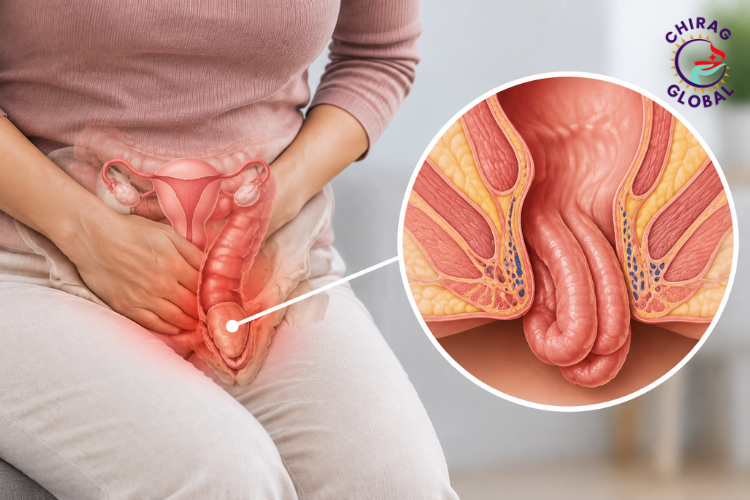
A hysterectomy is a common surgical procedure performed to remove the uterus for various medical reasons. While many women recover well after surgery, some may experience changes in pelvic support over time. One such concern is rectal prolapse after hysterectomy, a condition where the rectum moves out of its normal position and may protrude through the anus.
Many women notice symptoms like a feeling of pressure in the pelvic area, difficulty passing stool, or a bulge coming out during bowel movements. These symptoms can be uncomfortable and may affect daily activities if left untreated.
Understanding why rectal prolapse can occur after hysterectomy, what symptoms to look for, and when to seek medical care can help women take timely action. Chirag Global Hospitals, Bangalore, provides evaluation and treatment options for conditions affecting the rectum and pelvic health with a patient-focused approach.
If you are experiencing symptoms of rectal prolapse or changes in bowel habits after hysterectomy, consult a proctology specialist at Chirag Global Hospitals, Bangalore, for proper evaluation and guidance.
Book a Consultation | Call 08065903127
What Is Rectal Prolapse?
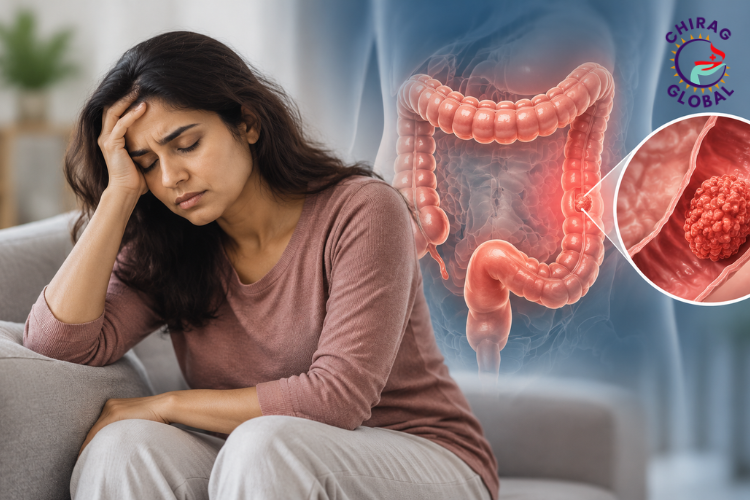
Rectal prolapse is a condition where the rectum, which is the lower part of the large intestine, slips from its normal position and protrudes through the anal opening.
The rectum is normally supported by muscles and tissues in the pelvic floor. When these supporting structures become weak, the rectum may start moving downward.
Rectal prolapse can appear in different forms:
Complete Rectal Prolapse
In complete rectal prolapse, the full thickness of the rectal wall comes out through the anus. It may be visible during bowel movements or even while standing or walking in advanced cases.
Partial Rectal Prolapse
In partial prolapse, only the inner lining of the rectum protrudes outward. This may sometimes be confused with hemorrhoids because both conditions can cause tissue coming out of the anus.
Internal Rectal Prolapse
In internal prolapse, the rectum folds inside itself but does not come outside the anus. It may cause difficulty passing stool or a feeling of incomplete bowel emptying.
Can Hysterectomy Cause Rectal Prolapse?
A hysterectomy does not directly cause rectal prolapse in every woman. However, changes in pelvic anatomy after surgery may contribute to weakening of the support structures that hold pelvic organs in place.
The pelvic organs, including the bladder, uterus, rectum, and vagina, are supported by a network of muscles, ligaments, and connective tissues. When one supporting structure changes, it can sometimes affect the balance of the pelvic floor.
After hysterectomy, some women may develop pelvic organ prolapse after hysterectomy, which can involve different pelvic organs, including the rectum.
Factors that may increase the risk include:
- Weak pelvic floor muscles
- Previous pelvic surgeries
- Age-related tissue changes
- Chronic constipation and repeated straining
- Long-term coughing
- Heavy lifting
- Obesity
- Conditions affecting connective tissues
It is important to remember that symptoms can vary from person to person. A proper medical evaluation is needed to identify the exact cause.
Why Does Rectal Prolapse Happen After Hysterectomy?
The pelvic floor works like a supportive structure that helps maintain the position of pelvic organs. After hysterectomy, some women may experience changes in this support system.
Weakening of Pelvic Support Tissues
The uterus provides part of the natural support within the pelvis. After its removal, surrounding tissues may experience changes over time, especially if there are existing weaknesses in pelvic muscles or ligaments.
Existing Pelvic Floor Weakness
Some women may already have weakened pelvic floor muscles due to childbirth, ageing, or previous strain. Hysterectomy may reveal or contribute to symptoms that were not noticeable earlier.
Chronic Pressure on the Pelvic Floor
Repeated pressure inside the abdomen can place stress on pelvic support structures.
Common causes include:
- Long-term constipation
- Frequent straining during bowel movements
- Chronic respiratory conditions causing repeated coughing
- Heavy physical activities involving lifting
Symptoms of Rectal Prolapse After Hysterectomy
The symptoms of rectal prolapse can develop gradually. Some women may initially notice mild changes that become more noticeable over time.
Common symptoms include:
- A bulge or tissue coming out of the anus
- A feeling of pressure or fullness in the rectal area
- Difficulty completing bowel movements
- The need to push or manually assist stool passage
- Mucus discharge from the anus
- Rectal discomfort or irritation
- Bleeding in some cases
- Feeling that the bowel has not completely emptied
One common concern among women is confusing rectal prolapse vs hemorrhoids.
While hemorrhoids are swollen blood vessels around the anus, rectal prolapse involves the movement of rectal tissue outside its normal position. A specialist examination can help differentiate between these conditions.
When Should You See a Doctor?
Many women delay seeking medical advice because they feel embarrassed discussing symptoms related to bowel movements. However, early evaluation can help prevent worsening of the condition.
You should consider consulting a specialist if you experience:
- Tissue coming out of the anus during bowel movements
- Increasing difficulty passing stool
- Persistent pelvic pressure or discomfort
- Bleeding or mucus discharge
- Symptoms affecting daily activities
A proctology specialist can assess the severity of the prolapse and recommend the most suitable treatment approach.
At Chirag Global Hospitals, Bangalore, patients can receive a detailed evaluation for rectal prolapse and related colorectal conditions with personalised treatment planning.
How Is Rectal Prolapse Diagnosed?
Diagnosis usually begins with a detailed discussion about symptoms and medical history, including previous surgeries such as hysterectomy.
A doctor may perform:
Physical Examination
A clinical examination helps identify whether rectal tissue is protruding and assess the severity of the condition.
Digital Rectal Examination
This helps evaluate muscle strength and rectal function.
Additional Tests
Depending on symptoms, doctors may recommend tests such as:
- Colonoscopy to examine the inside of the colon
- Defecography to study bowel movement patterns
- Anorectal manometry to assess rectal muscle function
- Imaging tests to evaluate pelvic structures
The goal of diagnosis is not only to confirm rectal prolapse but also to understand the underlying causes and plan appropriate treatment.
Treatment Options for Rectal Prolapse After Hysterectomy
The treatment for rectal prolapse after hysterectomy depends on factors such as the severity of prolapse, symptoms, overall health, and whether the prolapse is affecting daily life.
Mild cases may be managed with lifestyle changes and pelvic floor strengthening, while more advanced cases may require surgical treatment.
Non-Surgical Management
For early or mild symptoms, doctors may recommend steps to reduce pressure on the pelvic floor.
These may include:
- Increasing fibre intake to prevent constipation
- Drinking adequate fluids
- Avoiding excessive straining during bowel movements
- Pelvic floor muscle exercises
- Maintaining a healthy weight
- Managing chronic cough or conditions that increase abdominal pressure
These measures may help improve symptoms but may not correct a significant rectal prolapse.
Surgical Treatment for Rectal Prolapse
When rectal prolapse is significant or continues to worsen, surgery may be recommended. The aim of surgery is to restore the normal position of the rectum and improve bowel function.
Treatment options may include:
Rectopexy
Rectopexy is a commonly performed procedure where the rectum is repositioned and secured inside the pelvis to prevent it from slipping down again.
It can be performed using minimally invasive techniques in suitable patients.
Perineal Procedures
Some procedures are performed through the area around the anus and may be considered depending on the patient’s condition, age, and health status.
Minimally Invasive Approaches
Laparoscopic or robotic-assisted techniques may be recommended in selected cases. These approaches may offer benefits such as smaller incisions and faster recovery for suitable patients.
The best treatment option is decided after a complete evaluation by a colorectal or proctology specialist.
Recovery After Rectal Prolapse Surgery
Recovery time after rectal prolapse surgery can vary depending on the procedure performed and individual health factors.
General recovery recommendations may include:
- Following prescribed medications
- Maintaining soft bowel movements
- Avoiding heavy lifting during recovery
- Following dietary recommendations
- Attending follow-up appointments
Patients are usually advised to prevent constipation and avoid activities that place excessive pressure on the pelvic floor during healing.
Can Rectal Prolapse Be Prevented After Hysterectomy?
While rectal prolapse cannot always be completely prevented, maintaining pelvic floor health can reduce risk factors and support better bowel function.
Helpful habits include:
- Eating a fibre-rich diet
- Treating constipation early
- Avoiding prolonged straining during bowel movements
- Practising pelvic floor exercises as advised
- Maintaining a healthy body weight
- Staying physically active
Women who have undergone hysterectomy and notice pelvic or bowel-related changes should discuss these concerns with a healthcare professional.
Understanding the Link Between Hysterectomy and Pelvic Floor Health
A hysterectomy can improve quality of life for many women by treating conditions affecting the uterus. However, pelvic health involves a connected system of muscles and tissues that support multiple organs.
After hysterectomy, some women may experience conditions such as:
- Rectocele (bulging of the rectal wall into the vaginal area)
- Vaginal vault prolapse
- Bladder prolapse (cystocele)
- Rectal prolapse
Recognising symptoms early allows appropriate treatment before they significantly affect comfort and daily activities.
Frequently Asked Questions About Rectal Prolapse After Hysterectomy
Can hysterectomy cause rectal prolapse?
Hysterectomy does not directly cause rectal prolapse in every woman. However, changes in pelvic support after surgery may contribute to pelvic floor weakness, which can increase the risk of prolapse in some individuals.
What are the first signs of rectal prolapse after hysterectomy?
Early signs may include pelvic pressure, difficulty passing stool, incomplete bowel emptying, or a feeling that something is coming out of the anus during bowel movements.
Is rectal prolapse common in older women after hysterectomy?
Rectal prolapse is more commonly seen in older women because pelvic muscles and connective tissues can weaken with age. However, it can occur in younger women as well, especially with risk factors such as previous surgeries, childbirth, or chronic constipation.
How is rectal prolapse different from hemorrhoids?
Hemorrhoids are swollen veins around the anus, while rectal prolapse occurs when part of the rectum moves outside its normal position. The symptoms may overlap, so a medical examination is needed for accurate diagnosis.
Can rectal prolapse heal without surgery?
Small or mild prolapses may be managed with lifestyle changes and pelvic floor exercises. However, surgery is often required for complete rectal prolapse to restore normal anatomy.
What type of doctor treats rectal prolapse?
A colorectal surgeon or proctology specialist evaluates and treats rectal prolapse. They can recommend appropriate treatment based on symptoms and the severity of the condition.
When should I seek medical help for rectal prolapse?
You should consult a specialist if you notice tissue coming out of the anus, difficulty passing stool, bleeding, increasing discomfort, or symptoms affecting your daily activities.