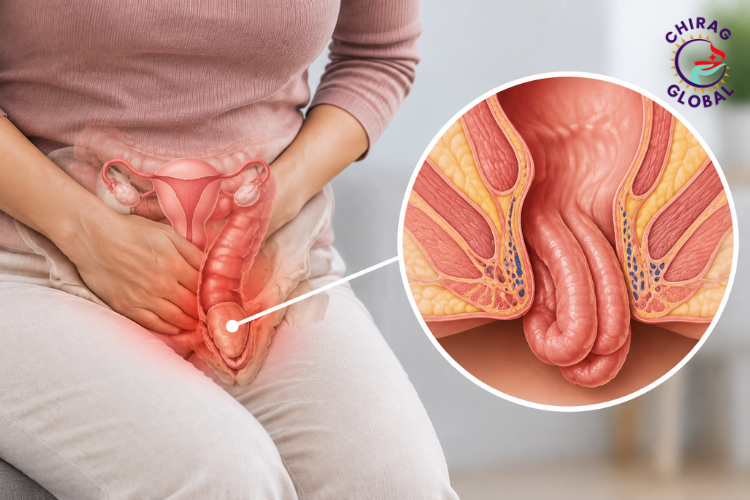


An anal fistula is an abnormal tunnel that develops between the inside of the anal canal or rectum and the skin around the anus. It can cause persistent discharge, irritation, swelling, pain and recurrent abscesses. When the fistula passes through a significant amount of the anal sphincter, treatment needs to address both the fistula and preservation of bowel control.
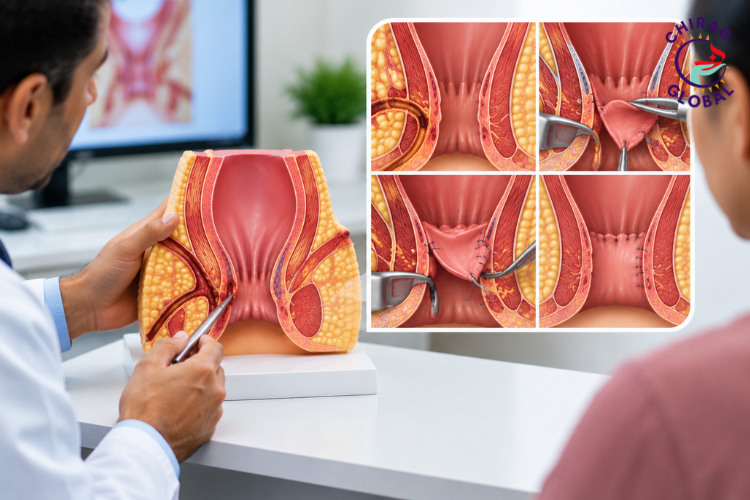
Mucosal advancement flap surgery for fistula is one sphincter-sparing surgical option used for selected complex or high anal fistulas. Instead of cutting through a substantial portion of the sphincter muscle, the surgeon closes the internal opening and covers it with a flap of healthy tissue from the rectal lining.
If you have been diagnosed with an anal fistula or have recurrent discharge or swelling around the anus, an evaluation by a proctology or colorectal specialist can help determine which treatment is appropriate. Chirag Global Hospitals in Bangalore provides specialist-led evaluation and treatment planning for anorectal conditions.
Get a Personalised Fistula Treatment | Call 08065903127
What Is Mucosal Advancement Flap Surgery for Fistula?
A mucosal advancement flap is a surgical technique designed to close the internal opening of an anal fistula while avoiding unnecessary division of the anal sphincter.
During an endorectal advancement flap, the surgeon creates a flap using healthy tissue from the rectal or anal lining. After the fistula tract is treated, this flap is advanced over the internal opening and secured in place.
The aim is to prevent continued communication between the anal canal and the fistula tract while preserving as much sphincter muscle as possible.
The technique is particularly relevant when a conventional fistulotomy could involve dividing too much sphincter muscle and potentially affect continence.
When Is an Advancement Flap Used for Anal Fistula?
Not every anal fistula requires an advancement flap. The choice depends on the location and anatomy of the fistula, how much sphincter muscle is involved, previous operations and the patient’s overall health.
An advancement flap may be considered for:
- Complex or high anal fistulas
- Fistulas involving a substantial portion of the sphincter
- Recurrent fistulas after previous surgery
- Fistulas where preserving sphincter function is particularly important
- Selected fistulas where fistulotomy may carry a higher risk of continence problems
For a simple, low fistula with minimal sphincter involvement, a different procedure such as fistulotomy may be more appropriate.
A detailed examination is therefore important before deciding on surgery.
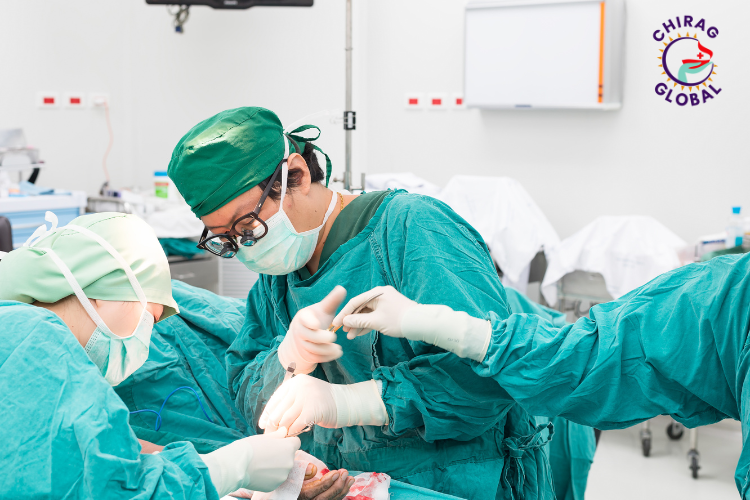
How Is Mucosal Advancement Flap Surgery Performed?
The exact technique varies according to the fistula’s anatomy and the surgeon’s approach, but the procedure generally involves several steps.
1. Evaluation of the fistula
The surgeon first identifies the external opening, internal opening and fistula tract. Examination under anaesthesia may be required.
For complex, recurrent or high fistulas, imaging such as an MRI of the pelvis may help map the tract and identify secondary extensions.
2. Preparing the fistula tract
The fistula tract is identified and treated according to its anatomy. Infected or unhealthy tissue may be removed, and the tract is cleaned.
The internal opening is an important part of the procedure because it is the point where the fistula connects with the anal canal.
3. Creating the mucosal flap
A flap of healthy rectal or anal lining is carefully raised while maintaining an adequate blood supply.
The surgeon needs to create enough tissue to cover the internal opening without putting excessive tension on the flap.
4. Closing the internal opening
The internal opening is closed, and the advancement flap is moved over it and secured.
The objective is to separate the fistula tract from the inside of the anal canal while protecting the sphincter muscle.
5. Managing the external opening
Depending on the fistula and surgical technique, the external opening and remaining tract may be managed to allow appropriate drainage during healing.
The precise approach varies between patients.
What Are the Benefits of Sphincter-Sparing Fistula Surgery?
The main reason an advancement flap may be considered is sphincter preservation.
A fistula that travels through a significant amount of sphincter muscle can make conventional fistulotomy less suitable. An advancement flap provides another approach that attempts to close the fistula without intentionally dividing a substantial portion of the sphincter.
Potential advantages include:
- Preservation of anal sphincter muscle
- Use in selected complex or high fistulas
- A treatment option for some recurrent fistulas
- Lower dependence on sphincter division compared with fistulotomy
However, no fistula operation is suitable for every patient, and an advancement flap can also fail or the fistula can recur. The expected benefits and risks should be discussed with the treating surgeon.
Mucosal Advancement Flap Surgery Recovery
Recovery after anal fistula flap surgery varies depending on the fistula, the procedure performed, overall health and the body’s healing response.
The first few days
Mild to moderate discomfort, local swelling or a small amount of blood-stained discharge may occur. Bowel movements can initially feel uncomfortable.
Your surgeon may recommend:
- Keeping stools soft
- Drinking adequate fluids
- Eating sufficient fibre unless medically restricted
- Avoiding straining during bowel movements
- Taking prescribed medicines as directed
- Keeping the area clean
- Using warm baths if recommended by your surgeon
Pain that becomes severe rather than gradually improving should be reported to the medical team.
Returning to normal activities
Some people can return to light daily activities relatively quickly, while others need more time. The timing of returning to work depends on the type of job, the extent of surgery and individual recovery.
Heavy lifting, strenuous exercise and activities that increase pressure around the surgical area may need to be restricted temporarily.
Your surgeon should determine when you can resume these activities.
Complete healing
Surface healing and complete healing of the fistula are not necessarily the same thing. Even when discomfort decreases, the deeper tissues may still be healing.
Follow-up appointments allow the surgeon to assess the wound and look for signs of persistent or recurrent fistula.
What Are the Possible Complications?
Like any surgical procedure, mucosal advancement flap surgery has potential risks.
These can include:
- Bleeding
- Infection
- Pain or discomfort
- Delayed healing
- Breakdown of the flap
- Persistent fistula
- Recurrence of the fistula
- Need for additional treatment
- Changes in bowel control, although the technique is designed to minimise unnecessary sphincter injury
The risk of recurrence varies between patients. Factors such as fistula anatomy, previous surgery, underlying inflammatory bowel disease and the presence of secondary tracts can influence outcomes.
How Can You Support Recovery After Fistula Surgery?
Good aftercare is an important part of recovery.
Keep bowel movements comfortable
Constipation and straining can make the recovery period more difficult. Follow your surgeon’s advice regarding fibre, fluids and stool-softening medication.
Maintain local hygiene
Gently cleaning the area after bowel movements can help maintain hygiene. Avoid using harsh products unless specifically recommended.
Follow activity restrictions
Do not rush back into strenuous exercise or heavy lifting simply because the pain has improved.
Attend follow-up appointments
A fistula can sometimes persist or recur without causing severe symptoms immediately. Follow-up allows your surgeon to assess healing properly.
Report warning signs
Contact your medical team if you develop:
- Increasing or severe pain
- Fever or chills
- Increasing swelling
- Heavy bleeding
- Foul-smelling or increasing discharge
- Difficulty passing urine
- Symptoms that worsen instead of improving
Is Mucosal Advancement Flap Better Than Fistulotomy?
There is no single fistula operation that is best for every patient.
Fistulotomy can be highly effective for appropriately selected simple, low fistulas, but dividing sphincter muscle becomes a greater concern when the fistula involves a substantial portion of the muscle.
An advancement flap is one of the sphincter-sparing options that may be considered in such cases.
The decision should be based on:
- Fistula height and complexity
- Amount of sphincter involved
- Presence of secondary tracts
- Previous fistula operations
- Underlying conditions such as Crohn’s disease
- Individual continence risk
A specialist assessment is therefore more useful than choosing a procedure based only on its name or perceived success rate.
Frequently Asked Questions About Mucosal Advancement Flap Surgery
What is mucosal advancement flap surgery for fistula?
Mucosal advancement flap surgery is a sphincter-sparing procedure used for selected anal fistulas. The internal opening is closed and covered using a flap of healthy tissue from the rectal or anal lining.
Who may need an advancement flap for an anal fistula?
It may be considered for selected complex, high or recurrent fistulas, particularly when cutting a significant amount of anal sphincter muscle could increase the risk of continence problems.
How long does it take to recover from fistula flap surgery?
Recovery varies from person to person. Discomfort often improves progressively, but complete healing can take several weeks or longer. Your surgeon will advise when you can return to work, exercise and other activities.
Is mucosal advancement flap surgery painful?
Some pain or discomfort is expected after surgery, particularly around bowel movements during the early recovery period. Prescribed pain relief, keeping stools soft and following wound-care instructions can help manage discomfort.
Can an anal fistula come back after an advancement flap?
Yes. Recurrence is possible after any fistula treatment. The risk depends on factors including the fistula’s anatomy, previous treatment, secondary tracts and underlying medical conditions.
Is an advancement flap better than fistulotomy?
Neither procedure is universally better. Fistulotomy may be appropriate for some simple, low fistulas, while an advancement flap may be considered when sphincter preservation is important.
Can I return to work after mucosal advancement flap surgery?
Many patients can gradually return to normal activities as healing progresses, but the timing depends on the procedure, symptoms and type of work. Strenuous physical activity may need to be restricted for longer.
When should I see a doctor after fistula surgery?
Contact your surgeon if you develop increasing pain, fever, significant bleeding, worsening swelling, foul-smelling discharge or other symptoms that concern you.