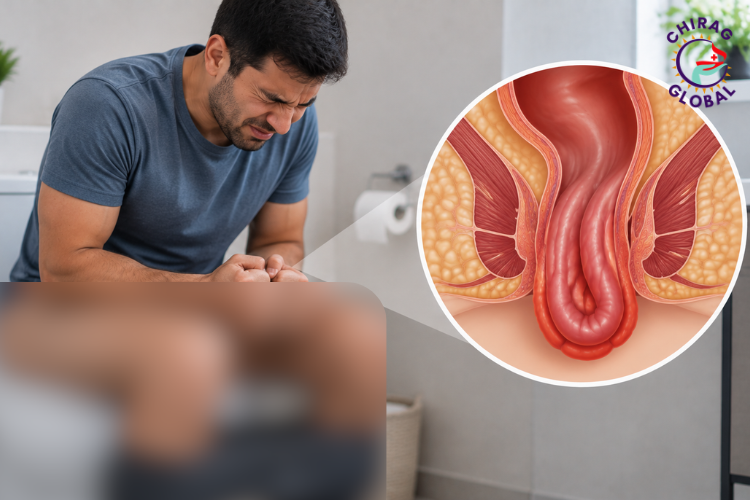


Constipation is often associated with diet, low water intake, or a lack of physical activity. However, some people continue to experience difficulty passing stools even after making healthy lifestyle changes. In many such cases, the underlying issue may be related to pelvic floor dysfunction and constipation.
The pelvic floor muscles play an important role in controlling bowel movements. When these muscles do not relax or coordinate properly during defecation, stool passage can become difficult, leading to chronic constipation, straining, and a feeling of incomplete bowel evacuation.
At Chirag Global Hospitals, Bangalore, specialists evaluate digestive and colorectal concerns by identifying the root cause of constipation and providing personalized treatment approaches based on each patient’s condition.
If you experience persistent constipation, difficulty passing stools, or repeated discomfort during bowel movements, consulting an experienced specialist can help identify the underlying problem.
Looking for expert evaluation for constipation-related concerns in Bangalore? Contact Chirag Global Hospitals for professional guidance and appropriate treatment options.
Book a Consultation | Call 08065903127
What Is Pelvic Floor Dysfunction?
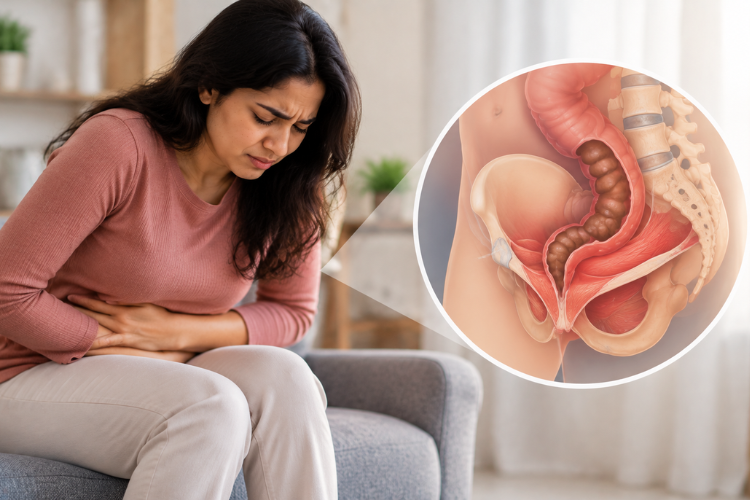
The pelvic floor is a group of muscles, tissues, and ligaments located at the bottom of the pelvis. These muscles support important organs, including the bladder, rectum, and reproductive organs.
During a normal bowel movement, the pelvic floor muscles should relax while the abdominal muscles contract to help move stool through the rectum. When this coordination is disrupted, it can result in difficulty emptying the bowel.
Pelvic floor dysfunction occurs when these muscles become too tight, weak, or poorly coordinated, affecting normal bowel, bladder, and pelvic functions.
How Does Pelvic Floor Dysfunction Cause Constipation?
Many people assume constipation only happens because of slow digestion. However, problems with the muscles involved in bowel evacuation can also contribute significantly.
In people with pelvic floor dysfunction, the muscles around the rectum may not relax properly when trying to pass stool. Instead of opening smoothly, the muscles may tighten, creating resistance.
This condition is sometimes known as dyssynergic defecation, where the muscles involved in bowel movement work against each other rather than together.
Common ways pelvic floor dysfunction affects bowel movements include:
- Difficulty starting a bowel movement
- Excessive straining while passing stool
- Feeling that stool has not completely emptied
- Spending a long time in the bathroom
- Hard or fragmented stools
- Frequent urge to pass stool without complete relief
- Dependence on laxatives for bowel movements
Common Symptoms of Pelvic Floor Dysfunction Related to Constipation
Recognising the symptoms early can help in getting appropriate evaluation and treatment.
1. Persistent Constipation
People with pelvic floor dysfunction often experience long-term constipation that does not improve significantly with dietary changes or increased fibre intake.
2. Straining During Bowel Movements
Repeated pushing or excessive effort during bowel movements may indicate that the pelvic muscles are not relaxing properly.
3. Feeling of Incomplete Evacuation
A common symptom is the sensation that stool remains inside the rectum even after using the toilet.
4. Difficulty Passing Stool Despite the Urge
Some individuals feel the need to pass stool but are unable to empty their bowel comfortably.
5. Pelvic or Rectal Discomfort
Muscle tension and poor coordination may contribute to discomfort, pressure, or pain around the pelvic and rectal area.
What Causes Pelvic Floor Dysfunction?
Pelvic floor dysfunction can develop due to several factors affecting muscle strength, coordination, and nerve function.
Common causes include:
Chronic Straining
Repeatedly straining during bowel movements can affect pelvic floor muscle coordination over time.
Long-Term Constipation
Chronic constipation can create a cycle where difficulty passing stool further affects normal bowel habits.
Pregnancy and Childbirth
Pregnancy-related changes and childbirth can impact pelvic floor muscles, leading to weakness or coordination issues.
Age-Related Muscle Changes
As people age, muscle strength and nerve coordination may change, affecting bowel control.
Previous Pelvic Surgery or Injury
Certain surgeries or injuries involving the pelvic region may influence muscle function.
Stress and Muscle Tension
Stress can contribute to increased muscle tightness, which may affect relaxation during bowel movements.
Difference Between Regular Constipation and Pelvic Floor Dysfunction
Not all constipation is caused by pelvic floor problems. Understanding the difference can help determine when specialist evaluation may be needed.
| Regular Constipation | Pelvic Floor Dysfunction-Related Constipation |
| Often linked to diet, hydration, or lifestyle factors | Related to poor muscle coordination |
| May improve with fibre and lifestyle changes | May continue despite dietary improvements |
| Stool movement through the intestine may be slow | Difficulty occurs mainly during stool evacuation |
| Laxatives may provide relief | Symptoms may persist despite medication |
People with ongoing symptoms despite following healthy habits should consider a detailed evaluation.
How Is Pelvic Floor Dysfunction Diagnosed?
A proper diagnosis helps determine whether constipation is caused by pelvic muscle problems or other digestive conditions.
A specialist may recommend:
Medical History Evaluation
Doctors review symptoms, bowel habits, diet, previous treatments, and duration of constipation.
Physical Examination
A clinical examination may help assess pelvic muscle strength and coordination.
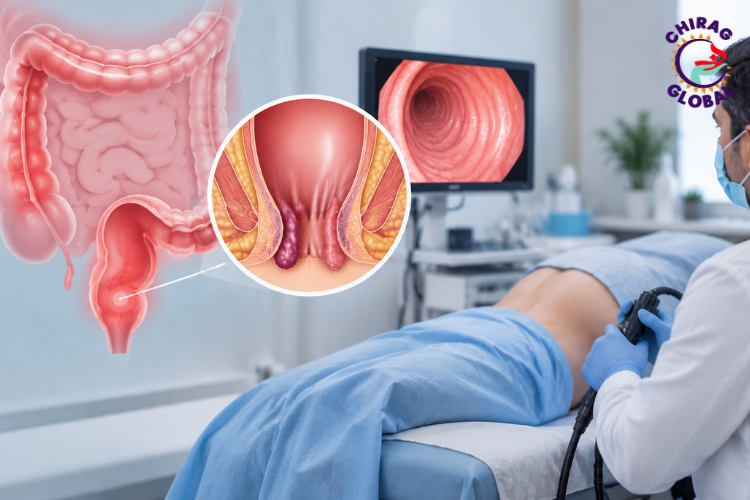
Anorectal Manometry
This test measures pressure and muscle coordination in the rectum and anal canal during bowel movements.
Defecography
This imaging test evaluates how the pelvic muscles function during stool evacuation.
Other Investigations
Depending on symptoms, doctors may suggest additional tests to rule out other causes of constipation.
Treatment Options for Pelvic Floor Dysfunction and Constipation
Treatment depends on the severity of symptoms and the underlying cause.
Pelvic Floor Rehabilitation
Pelvic floor therapy focuses on improving muscle coordination. It may include exercises and techniques that teach the muscles to relax and function correctly.
Biofeedback Therapy
Biofeedback helps patients understand how their pelvic muscles work and learn better control during bowel movements.
Dietary and Lifestyle Changes
Doctors may recommend:
- Increasing fibre intake gradually
- Drinking adequate fluids
- Maintaining regular toilet habits
- Staying physically active
- Avoiding excessive straining
Medication Support
In some cases, medications may be recommended to soften stools or improve bowel movement frequency. These should be used under medical guidance.
Surgical Evaluation When Required
If constipation is caused by structural problems or other colorectal conditions, additional treatment approaches may be considered.
Chirag Global Hospitals in Bangalore provides evaluation and treatment support for various colorectal and digestive health concerns. If constipation is affecting your daily life, seeking timely medical advice can help identify the right approach.
part 2
Complete SEO Blog Content (Continued)
When Should You Consult a Specialist for Constipation?
Occasional constipation is common and may improve with simple lifestyle changes. However, persistent symptoms should not be ignored, especially when they affect daily comfort and quality of life.
You should consider consulting a specialist if you experience:
- Constipation lasting for several weeks or months
- Frequent straining during bowel movements
- Blood in stools
- Unexplained weight loss
- Severe abdominal or rectal pain
- A constant feeling of incomplete bowel evacuation
- Dependence on laxatives for regular bowel movements
- Changes in bowel habits without an obvious reason
A detailed evaluation can help identify whether the problem is related to pelvic floor dysfunction, digestive disorders, lifestyle factors, or another underlying condition.
Lifestyle Tips to Support Healthy Bowel Function
While medical evaluation is important for persistent constipation, healthy daily habits can support better bowel function.
Maintain Adequate Fibre Intake
Fibre helps add bulk to stools and supports smoother bowel movements. Include fibre-rich foods such as:
- Fruits
- Vegetables
- Whole grains
- Legumes
- Nuts and seeds
Increase fibre gradually to avoid bloating or discomfort.
Stay Hydrated
Adequate fluid intake helps maintain softer stools and supports normal digestion.
Avoid Excessive Straining
Repeated forceful straining can place pressure on pelvic floor muscles and may worsen bowel movement difficulties.
Develop Healthy Toilet Habits
Try to:
- Respond to the urge to pass stool
- Avoid delaying bowel movements frequently
- Maintain a relaxed posture while using the toilet
Stay Physically Active
Regular movement can support intestinal activity and overall digestive health.
Can Pelvic Floor Exercises Help Constipation?
Pelvic floor exercises can be helpful when they are performed correctly and are recommended based on the individual’s condition.
Many people associate pelvic floor exercises only with strengthening muscles. However, constipation related to pelvic floor dysfunction often involves poor muscle relaxation and coordination rather than simple weakness.
A trained healthcare professional may recommend specific exercises or pelvic floor therapy techniques that focus on:
- Improving muscle awareness
- Learning proper relaxation
- Coordinating abdominal and pelvic muscles
- Improving bowel evacuation patterns
Performing incorrect exercises without understanding the underlying problem may not provide the expected benefit.
Pelvic Floor Dysfunction and Constipation in Bangalore: Getting the Right Care
Chronic constipation can have multiple causes, and identifying the exact reason is important for effective management. Symptoms caused by pelvic floor dysfunction require a different approach compared to constipation caused by diet, medication, or slow bowel movement.
At Chirag Global Hospitals, Bangalore, patients receive evaluation for colorectal and digestive concerns with a focus on understanding symptoms, identifying the cause, and recommending suitable treatment options.
Experiencing long-term constipation or difficulty passing stools? Schedule a consultation with Chirag Global Hospitals to understand your condition and explore appropriate care options.
Visit Chirag Global Hospitals!
FAQs
What is pelvic floor dysfunction and how does it cause constipation?
Pelvic floor dysfunction occurs when the muscles involved in bowel control do not relax or coordinate properly during stool passage. This can make it difficult to empty the bowel and may lead to chronic constipation, straining, and incomplete evacuation.
Can pelvic floor dysfunction be a reason for chronic constipation?
Yes. Pelvic floor dysfunction can contribute to chronic constipation, especially when a person has difficulty passing stool despite making dietary changes, increasing fibre intake, or using standard constipation treatments.
What are the symptoms of pelvic floor dysfunction-related constipation?
Common symptoms include difficulty passing stool, excessive straining, incomplete bowel emptying, prolonged toilet time, rectal discomfort, and repeated constipation episodes.
How is pelvic floor dysfunction diagnosed?
Doctors may use symptom evaluation, physical examination, anorectal manometry, defecography, and other tests to understand pelvic muscle coordination and identify the cause of constipation.
Can pelvic floor therapy treat constipation?
Pelvic floor therapy can help some people with constipation caused by muscle coordination problems. Techniques such as biofeedback therapy may help patients learn better muscle control during bowel movements.
Is pelvic floor dysfunction common in adults?
Pelvic floor dysfunction can affect adults of different ages. It may occur due to factors such as chronic straining, childbirth, ageing, pelvic injuries, or long-term bowel problems.
When should I see a constipation specialist in Bangalore?
You should consult a specialist if constipation continues for a long time, affects daily activities, requires frequent laxative use, or is associated with symptoms such as bleeding, pain, or unexplained weight changes.