

Persistent constipation and repeated straining during bowel movements may seem like common digestive issues, but over time they can put excessive pressure on the muscles and tissues supporting the rectum. This continuous strain may contribute to conditions such as rectal prolapse, where part of the rectum slips out through the anal opening.
Understanding the connection between chronic straining and rectal prolapse is important because early evaluation and appropriate care can help prevent symptoms from worsening. At Chirag Global Hospitals, Bangalore, specialists focus on accurate diagnosis and personalized treatment approaches to help patients manage rectal prolapse and related bowel problems.
If you are experiencing symptoms such as a feeling of something coming out during bowel movements, discomfort while sitting, bleeding, or difficulty passing stools, consult a specialist for proper evaluation.
Looking for expert care for rectal prolapse in Bangalore? Connect with Chirag Global Hospitals for consultation and guidance based on your condition.
Book a Consultation | Call 08065903127
What Is Rectal Prolapse?
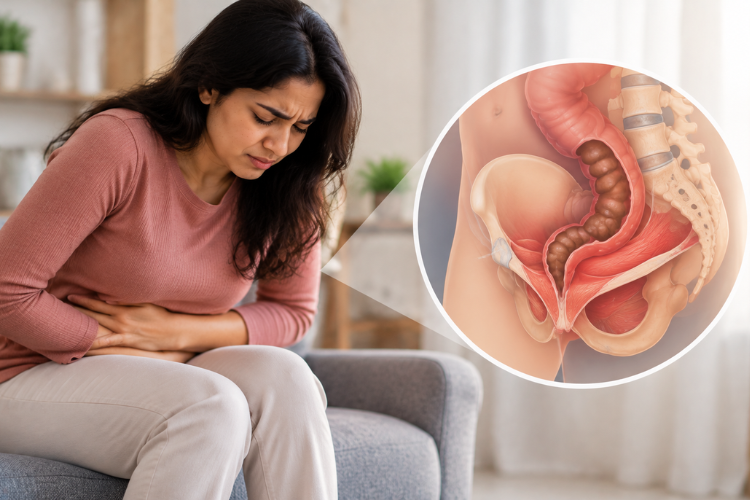
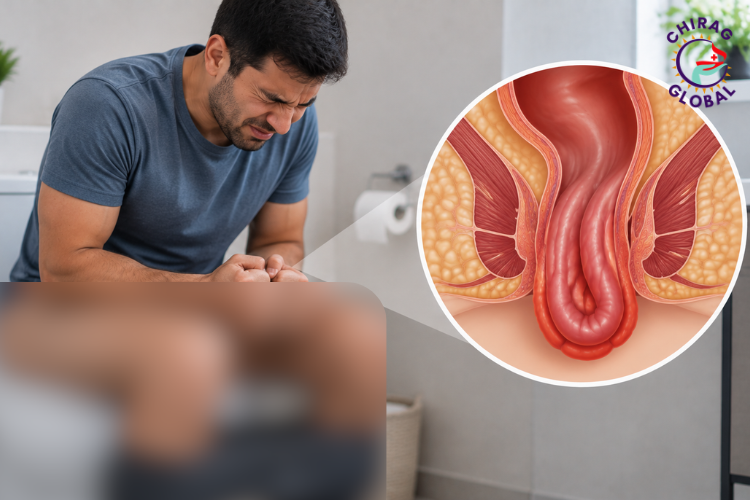
Rectal prolapse is a condition where the rectum, which is the lower part of the large intestine, moves out of its normal position and may protrude through the anus. It occurs when the supporting muscles, tissues, and ligaments around the rectum become weakened or stretched.
Rectal prolapse can range from mild cases where the rectum only moves slightly during bowel movements to more advanced cases where the rectum remains outside the anus and may require medical intervention.
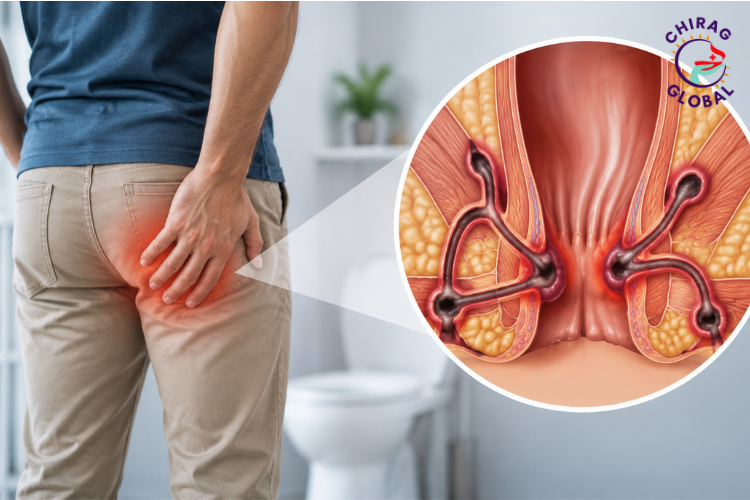
The condition is different from piles (haemorrhoids), although both may cause discomfort, bleeding, or a lump-like sensation.
Types of Rectal Prolapse
Rectal prolapse is generally classified into three types:
Complete Rectal Prolapse
In complete rectal prolapse, all layers of the rectal wall protrude outside the anus. This is usually more noticeable and may require surgical management.
Partial or Mucosal Prolapse
Only the inner lining of the rectum protrudes through the anal opening. It may sometimes be confused with haemorrhoids.
Internal Rectal Prolapse
The rectum folds inward but does not come outside the anus. It may cause difficulty passing stools or a sensation of incomplete bowel evacuation.
How Does Chronic Straining Lead to Rectal Prolapse?
Chronic straining is one of the important factors associated with rectal prolapse. When a person repeatedly pushes hard during bowel movements, increased pressure is created inside the abdomen and pelvic region.
Over time, this repeated pressure may weaken the structures that support the rectum.
Common situations that may contribute include:
- Long-term constipation
- Frequent hard stools
- Spending excessive time on the toilet
- Delaying the urge to pass stools
- Chronic coughing or conditions that increase abdominal pressure
- Weakening of pelvic floor muscles
The relationship between constipation and rectal prolapse can become a cycle. Straining may worsen rectal support problems, while rectal prolapse itself may make bowel movements more difficult, leading to further straining.
Breaking the Cycle: Managing the Causes Behind Rectal Prolapse
Treating rectal prolapse involves more than addressing the visible symptoms. Doctors usually evaluate the underlying causes, bowel habits, and severity of the condition before recommending treatment.
Improve Bowel Habits
Healthy bowel habits can reduce unnecessary pressure on the rectum.
Helpful practices include:
- Avoiding prolonged sitting on the toilet
- Responding to the urge to pass stools
- Avoiding excessive pushing during bowel movements
- Maintaining a consistent toilet routine
Manage Constipation Effectively
Chronic constipation management plays an important role in preventing worsening symptoms.
Lifestyle measures may include:
- Increasing fibre intake through fruits, vegetables, and whole grains
- Drinking adequate fluids
- Staying physically active
- Following medical advice regarding stool softeners or medications when required
Strengthen Pelvic Floor Muscles
The pelvic floor muscles provide support to organs in the lower abdomen, including the rectum. Weakness in these muscles may contribute to prolapse.
Pelvic floor exercises and specialised therapy may be recommended for selected patients.
Common Symptoms of Rectal Prolapse
Symptoms can vary depending on the severity of the condition. Common signs include:
- A bulge or tissue coming out from the anus during bowel movements
- Feeling of incomplete bowel evacuation
- Difficulty controlling bowel movements
- Mucus discharge
- Rectal discomfort or pressure
- Bleeding from the rectal area
- Difficulty passing stools
- Irritation around the anal region
Some people may notice that the protruding tissue goes back inside after bowel movements, while others may need to manually push it back.
Ignoring symptoms for a long time may allow the condition to progress, making evaluation more important.
Rectal Prolapse vs Piles: Understanding the Difference
Many people confuse rectal prolapse with piles because both conditions can cause swelling, bleeding, or discomfort around the anus.
However, they are different conditions.
| Rectal Prolapse | Piles |
| Involves slipping of rectal tissue outside the anus | Involves swollen blood vessels |
| Usually related to weakened rectal support structures | Often linked with constipation, straining, and increased pressure on veins |
| May cause a larger tissue protrusion | Usually appears as swollen lumps |
| Treatment depends on severity and underlying cause | Treatment varies based on grade and symptoms |
A proper examination by a colorectal specialist helps identify the exact condition and appropriate treatment plan.
When Should You Consult a Doctor for Rectal Prolapse?
Early medical evaluation can help prevent complications and improve treatment outcomes.
You should consider consulting a specialist if you experience:
- A recurring bulge from the anus
- Difficulty completing bowel movements
- Persistent constipation with excessive straining
- Rectal bleeding
- Loss of bowel control
- Increasing discomfort while sitting or walking
A doctor may perform a physical examination and recommend additional tests if required to understand the severity and cause.
Treatment Options for Rectal Prolapse
The treatment approach depends on factors such as the patient’s age, symptoms, severity of prolapse, overall health, and bowel function.
Conservative Management
Mild cases may be managed with:
- Dietary changes
- Constipation management
- Pelvic floor exercises
- Lifestyle modifications
These approaches may help improve bowel function but may not correct advanced prolapse.
Surgical Treatment
For persistent or advanced rectal prolapse, surgery may be recommended. The goal is to restore normal rectal position and improve symptoms.
Different surgical approaches may be considered depending on individual needs, including procedures performed through the abdomen or through the perineal region.
A colorectal specialist evaluates the condition and recommends the most suitable option.
If you are experiencing symptoms of rectal prolapse or long-standing bowel difficulties, Chirag Global Hospitals in Bangalore provides specialist evaluation and personalised treatment guidance. Schedule a consultation to understand your condition better.
How to Prevent Rectal Prolapse From Worsening
While some factors contributing to rectal prolapse cannot always be avoided, maintaining healthy bowel habits can reduce pressure on the rectal area and support overall digestive health.
Practical Steps to Reduce Straining
Maintain a Fibre-Rich Diet
Fibre helps soften stools and supports smoother bowel movements. Include:
- Fruits such as apples, papaya, and berries
- Vegetables and leafy greens
- Whole grains
- Legumes and pulses
A gradual increase in fibre intake is recommended because sudden changes may cause bloating or discomfort.
Stay Hydrated
Adequate water intake helps maintain softer stools and supports regular bowel movements. Dehydration can contribute to harder stools, increasing the need for straining.
Avoid Prolonged Toilet Sitting
Spending extended periods on the toilet can increase pressure around the rectal veins and supporting tissues. Try to avoid using mobile phones or other distractions while using the toilet.
Maintain Regular Physical Activity
Regular movement supports bowel function and may help reduce constipation. Simple activities such as walking can improve digestive health.
How Doctors Diagnose Rectal Prolapse
A proper diagnosis helps determine the severity of rectal prolapse and the most suitable treatment approach.
A specialist may evaluate:
- Symptoms and bowel habits
- Medical history
- Physical examination findings
- Severity of tissue protrusion
Additional tests may sometimes be recommended, such as:
- Defecography: A specialised imaging test that evaluates how the rectum functions during bowel movements.
- Colonoscopy: May be suggested in selected cases to examine the colon and rule out other causes of symptoms.
- Anorectal manometry: Measures the function and strength of muscles involved in bowel control.
The evaluation helps doctors understand whether symptoms are caused by rectal prolapse, piles, constipation-related problems, or another condition.
Can Rectal Prolapse Be Treated Without Surgery?
The need for surgery depends on the severity of the condition. In early or mild cases, conservative measures may help manage symptoms.
Non-surgical approaches may include:
- Improving bowel habits
- Treating constipation
- Pelvic floor rehabilitation
- Dietary modifications
However, when rectal prolapse becomes more advanced or causes persistent symptoms, surgical treatment may be considered to restore normal anatomy.
A specialist can guide patients after evaluating their symptoms, lifestyle factors, and overall health.
Why Early Treatment Matters
Many people delay seeking medical advice because symptoms may appear only occasionally in the beginning. However, untreated rectal prolapse may gradually affect daily comfort and bowel function.
Possible concerns associated with prolonged rectal prolapse include:
- Increased difficulty passing stools
- Worsening constipation
- Rectal irritation or bleeding
- Difficulty controlling bowel movements
- Reduced quality of life
Getting an evaluation early allows doctors to understand the condition and discuss suitable treatment options before symptoms become more complicated.
Visit Chirag Global Hospitals!
FAQs
1. What is rectal prolapse and what causes it?
Rectal prolapse occurs when part of the rectum moves out of its normal position and may protrude through the anus. Common contributing factors include chronic constipation, repeated straining during bowel movements, weakened pelvic floor muscles, and conditions that increase pressure inside the abdomen.
2. Can chronic straining cause rectal prolapse?
Yes, repeated straining due to constipation or difficult bowel movements can increase pressure on the rectal support tissues. Over time, this may contribute to weakening of these structures and increase the risk of rectal prolapse.
3. What are the early symptoms of rectal prolapse?
Early symptoms may include a feeling of incomplete bowel evacuation, mucus discharge, difficulty passing stools, discomfort around the anus, or a small bulge that appears during bowel movements.
4. Is rectal prolapse the same as piles?
No. Rectal prolapse involves the movement of rectal tissue outside the anus, while piles are swollen blood vessels in the anal region. Although some symptoms may overlap, they are different conditions requiring different treatment approaches.
5. Can rectal prolapse heal without surgery?
Mild cases may improve with constipation management, lifestyle changes, and pelvic floor exercises. However, advanced rectal prolapse may require surgical treatment. A specialist evaluation is needed to determine the appropriate approach.
6. When should I see a doctor for rectal prolapse?
You should consult a doctor if you notice tissue coming out of the anus, recurring rectal discomfort, bleeding, difficulty passing stools, or symptoms that are affecting daily activities.
7. Where can I find rectal prolapse treatment in Bangalore?
Patients experiencing symptoms of rectal prolapse can consult specialists at Chirag Global Hospitals, Bangalore, for evaluation and personalised treatment guidance.