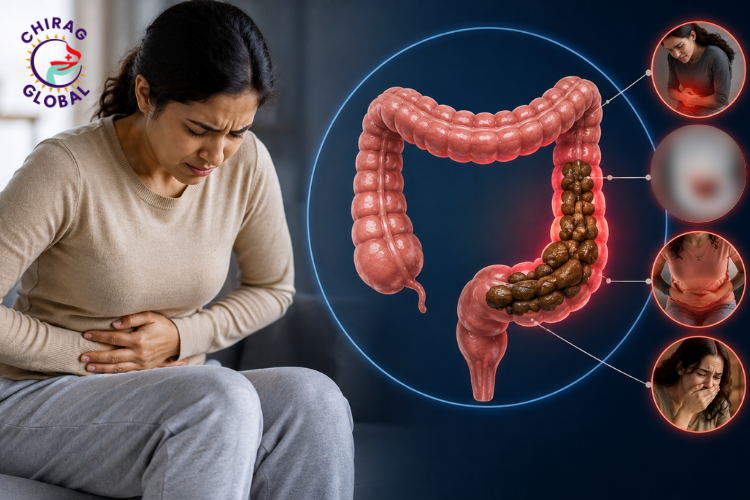

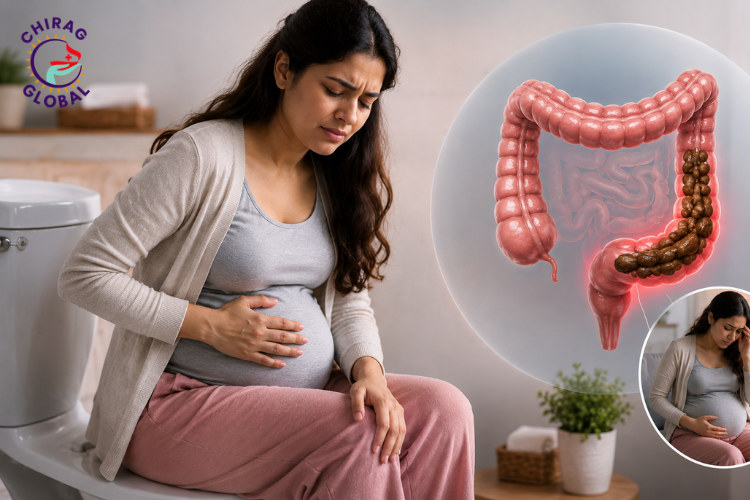
Constipation during pregnancy is a common digestive concern. Many pregnant women notice that their bowel movements become less frequent, stools become harder, or passing stool requires more straining than usual.
Pregnancy-related constipation can occur at different stages of pregnancy and may be influenced by hormonal changes, changes in physical activity, diet, fluid intake, and certain supplements. As pregnancy progresses, physical changes in the body may also affect normal bowel movement.
Although constipation is often manageable, severe or persistent symptoms should not simply be ignored. Abdominal pain, vomiting, rectal bleeding, significant abdominal swelling, or an inability to pass stool or gas may need medical evaluation.
Understanding why pregnancy constipation occurs can help women take appropriate steps to support regular and more comfortable bowel movements.
Book a Consultation | Call 08065903127
Is Constipation Common During Pregnancy?
Yes. Constipation is a common problem during pregnancy.
Pregnancy affects the digestive system in several ways. Hormonal changes can slow the movement of food through the intestines, allowing more water to be absorbed from stool. This can make stool harder and more difficult to pass.
Other changes during pregnancy can further contribute to constipation.
What Causes Constipation During Pregnancy?
Several factors may contribute.
1. Hormonal Changes
During pregnancy, higher levels of certain hormones, including progesterone, can relax smooth muscles in the body.
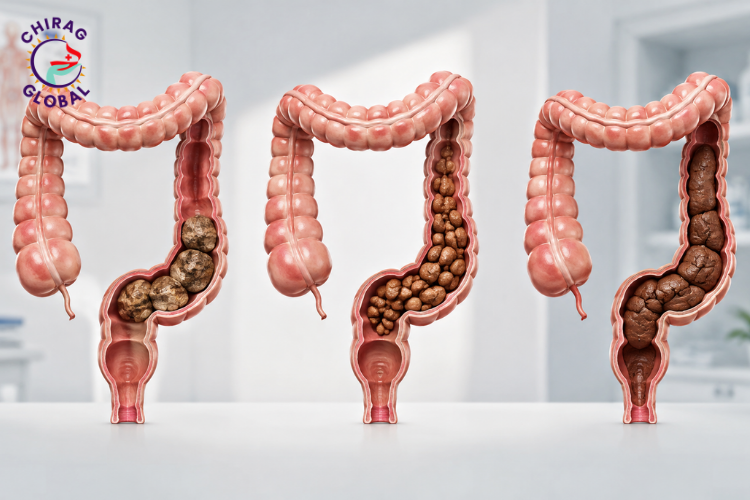
The intestines also contain smooth muscle. When bowel movement slows, stool remains in the colon longer, allowing more water to be absorbed.
The result can be harder, drier stool.
2. Iron Supplements
Iron is often recommended during pregnancy, particularly when there is a risk of or evidence of iron deficiency.
However, iron supplements can cause constipation in some women.
Do not stop prescribed iron on your own. If constipation becomes troublesome, discuss it with your obstetrician, who may recommend adjustments or alternatives.
3. Reduced Physical Activity
Fatigue, nausea, discomfort, or medical advice to limit activity may reduce physical movement during pregnancy.
Lower activity levels can contribute to slower bowel function.
If your doctor says it is safe, regular gentle activity may help support digestion.
4. Not Drinking Enough Fluids
Fluid requirements can change during pregnancy.
If fluid intake is inadequate, stool may become harder and more difficult to pass.
Drinking appropriate amounts of fluid throughout the day can support bowel regularity.
5. Dietary Changes
Pregnancy can change appetite and food preferences.
Nausea or food aversions may lead some women to eat fewer fruits, vegetables, and other fibre-containing foods.
A low-fibre diet may contribute to constipation.
6. Physical Changes as Pregnancy Progresses
As the uterus grows, it can affect the position of surrounding organs and contribute to changes in bowel habits.
This is one reason constipation may continue or change as pregnancy progresses.
Symptoms of Pregnancy Constipation
Common symptoms include:
- Fewer bowel movements than usual
- Hard or dry stools
- Straining during bowel movements
- Pain while passing stool
- A feeling that stool has not completely passed
- Bloating
- Abdominal discomfort
- A sensation of fullness
Constipation can also aggravate other anorectal problems, including hemorrhoids and anal fissures.
Can Constipation During Pregnancy Cause Piles?
Repeated straining and hard stools can increase pressure around the anal and rectal area.
This may contribute to the development or worsening of hemorrhoids, also called piles.
Pregnancy itself can also increase pressure on the pelvic and rectal veins.
Symptoms of hemorrhoids can include:
- Itching
- Swelling
- Discomfort
- A lump near the anus
- Bright-red bleeding
Any rectal bleeding during pregnancy should be discussed with a healthcare professional rather than automatically assumed to be piles.
How to Relieve Constipation During Pregnancy
Management should focus on safe, gradual changes.
Eat More Fibre
Fibre can support softer and more regular stools.
Pregnancy-friendly fibre sources may include:
- Oats
- Whole grains
- Fruits
- Vegetables
- Beans
- Lentils
- Chickpeas
- Nuts and seeds, when appropriate
Increase fibre gradually to reduce excessive bloating or gas.
Choose Whole Fruits
Whole fruits provide fibre that is often lost when fruit is converted into juice.
Options may include:
- Apples
- Pears
- Guava
- Oranges
- Kiwi
- Papaya
Wash produce carefully before eating.
Drink Adequate Fluids
Fibre works best with appropriate fluid intake.
Water is a simple choice, but total fluid needs vary based on weather, activity, diet, and individual medical circumstances.
Follow your obstetrician’s advice if you have been told to restrict fluids for any reason.
Stay Physically Active if Your Doctor Approves
Gentle activities may support bowel movement.
Depending on your health and stage of pregnancy, this might include:
- Walking
- Pregnancy-appropriate exercises
- Gentle stretching
Always follow medical advice about activity, especially if your pregnancy has complications or you have been advised to limit exercise.
Do Not Ignore the Urge to Pass Stool
Delaying bowel movements allows stool to remain in the colon longer.
More water can then be absorbed, making stool harder.
Go when you feel the urge rather than repeatedly postponing it.
Establish a Regular Toilet Routine
Some women find it helpful to allow relaxed, uninterrupted toilet time each day, particularly after meals.
Avoid prolonged sitting and excessive straining.
A comfortable position with the feet supported may also make bowel movements easier.
When Is Constipation During Pregnancy a Concern?
Mild constipation is common, but you should contact a healthcare professional if symptoms are persistent, severe, or causing significant discomfort.
Medical advice is particularly important if you have:
- Severe or persistent abdominal pain
- Repeated vomiting
- Significant abdominal swelling
- Blood in the stool
- Severe rectal pain
- Inability to pass stool or gas
- Fever
- Constipation that does not improve despite basic measures
Because abdominal symptoms during pregnancy can have causes other than constipation, it is important not to self-diagnose severe symptoms.
Conclusion
Constipation during pregnancy is common, but it can often be managed with gradual increases in dietary fibre, appropriate fluid intake, regular gentle activity when medically permitted, and healthy toilet habits.
Hormonal changes, iron supplements, reduced movement, and dietary changes can all contribute to pregnancy constipation. Avoid stopping prescribed supplements or taking laxatives without medical advice.
If constipation becomes severe, persistent, or is accompanied by abdominal pain, vomiting, bleeding, significant swelling, fever, or an inability to pass stool or gas, seek medical evaluation.
Early attention can help manage symptoms safely while considering the health needs of both the pregnant woman and the pregnancy.
Visit Chirag Global Hospitals Today!
Frequently Asked Questions
Is constipation normal during pregnancy?
Yes. Hormonal changes, iron supplements, reduced activity, dietary changes, and physical changes during pregnancy can all contribute to constipation.
What can I eat for constipation during pregnancy?
Fibre-containing foods such as fruits, vegetables, oats, whole grains, beans, and lentils may help support regular bowel movements.
Can pregnancy iron tablets cause constipation?
Yes. Iron supplements can contribute to constipation in some women. Do not stop prescribed iron without speaking to your doctor.
Can constipation cause piles during pregnancy?
Constipation and repeated straining can contribute to hemorrhoids, while pregnancy itself can also increase pressure on rectal veins.