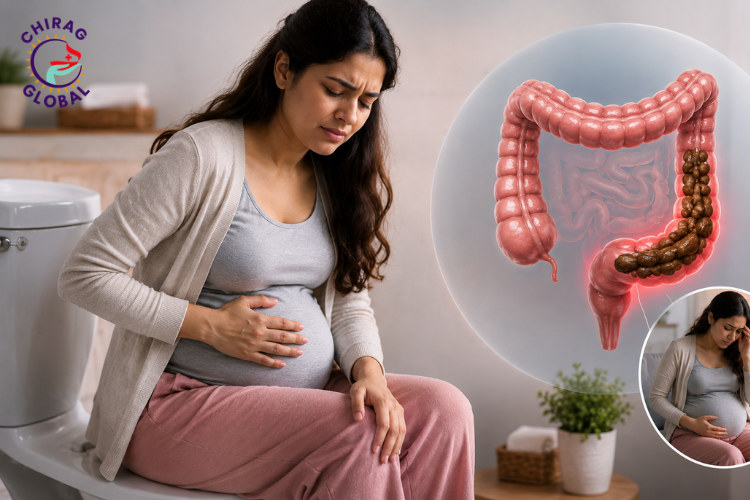


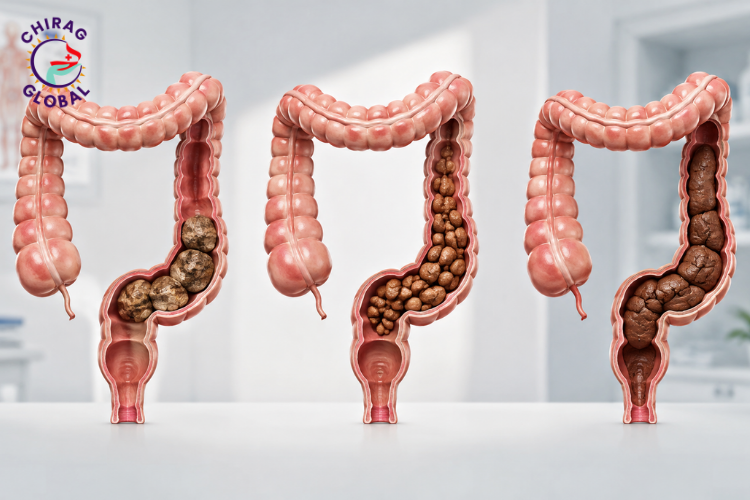
Constipation is often described simply as having difficulty passing stool, but it does not affect everyone in the same way. Some people have hard, dry stools, while others may pass stool regularly but still feel that their bowel has not emptied completely. In some cases, the problem is slow movement through the colon, whereas in others, stool reaches the rectum but is difficult to expel.
Understanding the types of constipation can help explain why the same treatment does not work equally well for everyone.
Constipation may be related to diet, lifestyle, medications, bowel movement patterns, pelvic-floor problems, or underlying medical conditions. Identifying the pattern is particularly important when constipation becomes persistent or keeps returning.
At Chirag Global Hospitals, Bangalore, patients with ongoing constipation can be evaluated to determine the likely cause and appropriate treatment approach.
Book a Consultation | Call 08065903127
What Is Constipation?
Constipation generally refers to difficult or infrequent bowel movements or changes in the normal pattern of passing stool.
Common features include:
- Hard or dry stools
- Straining
- Fewer bowel movements than usual
- A feeling of incomplete bowel emptying
- A sensation of blockage
- Needing to use physical manoeuvres to pass stool
- Abdominal bloating or discomfort
Having a bowel movement every day does not necessarily mean that constipation is absent. Stool consistency and ease of evacuation also matter.
What Are the Main Types of Constipation?
There is no single classification that applies to every patient, but constipation is commonly discussed in terms of how stool moves through the digestive tract and whether another condition is responsible.
Important patterns include:
- Normal-transit constipation
- Slow-transit constipation
- Outlet constipation
- Functional constipation
- Chronic idiopathic constipation
- Secondary constipation
Some people can have features of more than one type.
1. Normal-Transit Constipation
In normal-transit constipation, stool generally moves through the colon at a relatively normal rate, but the person still experiences constipation symptoms.
A person may complain of:
- Hard stools
- Straining
- Bloating
- Difficulty passing stool
- Incomplete evacuation
The issue may be related more to stool consistency, bowel habits, diet, or how the bowel movement is perceived rather than a significantly slow movement of stool through the colon.
How Is It Managed?
Management may include:
- Gradually increasing dietary fibre
- Adequate fluid intake
- Regular physical activity
- Establishing healthy toilet habits
- Appropriate medications when recommended
The best approach depends on the individual’s symptoms.
2. Slow-Transit Constipation
Slow-transit constipation occurs when stool moves unusually slowly through the colon.
Because stool remains in the colon for longer, more water may be absorbed from it, making the stool harder and more difficult to pass.
People with this pattern may experience:
- Very infrequent bowel movements
- Hard stools
- Abdominal bloating
- Abdominal discomfort
- Little urge to pass stool
- Difficulty responding to conventional constipation measures
Slow-transit constipation can occur as a functional bowel disorder, but doctors may need to rule out medications, metabolic problems, neurological conditions, and other causes.
3. Outlet Constipation
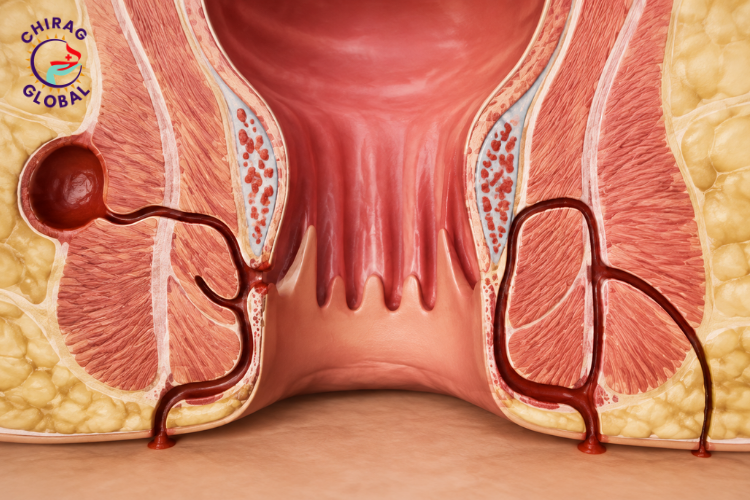
Outlet constipation occurs when stool reaches the rectum but is difficult to evacuate.
It is sometimes associated with problems involving the pelvic-floor muscles or coordination of the muscles needed for defecation.
Symptoms may include:
- Prolonged straining
- Feeling that stool is stuck near the anus
- Incomplete bowel emptying
- Repeated trips to the toilet
- Using fingers or other physical manoeuvres to help evacuation
- Spending a long time on the toilet
Unlike constipation caused primarily by slow movement through the colon, the main difficulty here is getting stool out.
Treatment may sometimes involve pelvic-floor evaluation and biofeedback therapy, depending on the underlying problem.
4. Functional Constipation
Functional constipation refers to constipation symptoms that occur without an identifiable structural blockage or another obvious disease explaining the symptoms.
It can involve:
- Hard stools
- Straining
- Incomplete evacuation
- A feeling of blockage
- Reduced bowel frequency
Functional constipation may overlap with normal-transit constipation or defecatory disorders.
Management focuses on the individual’s symptoms and contributing factors.
5. Chronic Idiopathic Constipation
Chronic idiopathic constipation means long-term constipation where no clear underlying disease explains the symptoms.
“Idiopathic” essentially means that a specific cause has not been identified.
People may experience:
- Infrequent bowel movements
- Hard or lumpy stools
- Straining
- Incomplete evacuation
- A sensation of blockage
Doctors may first review diet, fluid intake, physical activity, medications, and medical history before considering further testing.
Treatment can involve lifestyle measures and, when appropriate, prescription or over-the-counter constipation medicines.
6. Secondary Constipation
Secondary constipation occurs because of another factor or condition.
Possible causes include:
Medications
Certain medicines can slow bowel movement or make stools harder.
Never stop a prescribed medicine without discussing it with your doctor.
Medical Conditions
Constipation can sometimes occur with:
- Diabetes
- Hypothyroidism
- Neurological disorders
- Parkinson’s disease
- Multiple sclerosis
- Certain metabolic disorders
Lifestyle Factors
Other contributors can include:
- Low fibre intake
- Inadequate fluid intake
- Physical inactivity
- Frequent postponement of bowel movements
- Changes in daily routine
Treating the underlying factor can be an important part of managing secondary constipation.
How Does Treatment Differ Between Types of Constipation?
Treatment depends on what is causing the problem.
| Type | Main Problem | Possible Management |
| Normal-transit | Stool consistency or evacuation difficulty despite normal transit | Fibre, fluids, activity, bowel-habit changes and appropriate medication |
| Slow-transit | Stool moves slowly through the colon | Dietary measures, medications and specialist treatment when necessary |
| Outlet constipation | Difficulty expelling stool from the rectum | Pelvic-floor assessment and biofeedback in suitable patients |
| Functional constipation | Persistent symptoms without an obvious structural cause | Lifestyle measures and symptom-directed treatment |
| Chronic idiopathic | Long-term constipation without an identified cause | Lifestyle changes and appropriate medicines |
| Secondary constipation | Caused by medication, disease or another factor | Address the underlying cause |
This is why simply taking the same laxative repeatedly may not be the best solution for everyone.
Conclusion
There are several types of constipation, and identifying the pattern can help determine the most appropriate treatment. Some people have normal stool transit but difficulty with evacuation, while others have slow movement through the colon. Constipation can also result from medications, medical conditions, pregnancy, lifestyle factors, or remain unexplained despite evaluation.
If constipation is persistent or difficult to manage, it is worth finding out why it is happening rather than repeatedly treating the symptom alone. A proper evaluation can help identify the underlying pattern and guide appropriate treatment.
Visit Chirag Global Hospitals Today!
Frequently Asked Questions
What are the main types of constipation?
Commonly discussed types include normal-transit constipation, slow-transit constipation, outlet constipation, functional constipation, chronic idiopathic constipation, and secondary constipation.
What is slow-transit constipation?
It occurs when stool moves unusually slowly through the colon, often resulting in infrequent bowel movements and hard stools.
What is outlet constipation?
Outlet constipation occurs when stool reaches the rectum but is difficult to expel, sometimes because of problems with pelvic-floor muscle coordination.
Can constipation have more than one cause?
Yes. A person may have several contributing factors, such as low fibre intake combined with medication use or a pelvic-floor problem.
Is chronic constipation always caused by diet?
No. Diet is only one possible factor. Medications, medical conditions, bowel-movement disorders, pelvic-floor dysfunction, and other factors can contribute.
When should I see a doctor for constipation?
See a healthcare professional if constipation persists, repeatedly returns, significantly changes your normal bowel pattern, or occurs with symptoms such as bleeding, weight loss, severe pain, vomiting, abdominal swelling, or inability to pass stool or gas.