

Pilonidal sinus is often considered a condition that mainly affects men, but women can develop it too. Because it is less frequently diagnosed in women, the symptoms may sometimes be overlooked or mistaken for other skin infections. Delayed diagnosis can allow the condition to worsen, leading to recurrent pain, swelling, and infection.
At Chirag Global Hospitals, Bangalore, colorectal specialists diagnose and treat pilonidal sinus in women using individualized treatment plans based on the severity of the condition. Recognizing the early signs and understanding the risk factors can help women seek timely treatment and avoid complications.
This article explains why pilonidal sinus is less common in women, its symptoms, causes, diagnosis, treatment options, and preventive measures.
Book a Consultation | Call 08065903127
What Is a Pilonidal Sinus?
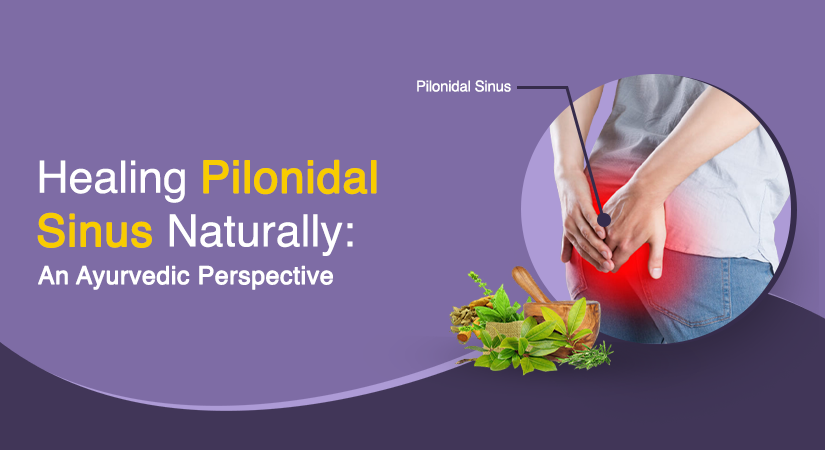
A pilonidal sinus is a small tunnel or cavity that develops beneath the skin, usually in the crease between the buttocks near the tailbone (coccyx). The cavity often contains hair, dead skin cells, and debris.
When bacteria enter the sinus, it can become infected, leading to pain, swelling, redness, and pus formation.
Although the condition commonly affects young adults, it can occur in both men and women.
Is Pilonidal Sinus Less Common in Women?
Yes. Pilonidal sinus in women is generally less common than in men.
Several factors may contribute to this difference:
- Men typically have thicker and coarser body hair.
- Hormonal differences influence hair growth patterns.
- Men often have greater hair density in the lower back and buttock region.
- Certain occupations and activities associated with prolonged sitting have traditionally been more common among men, although this gap is narrowing.
Despite being less common, women can still develop pilonidal sinus, particularly when other risk factors are present.
Why Do Women Develop Pilonidal Sinus?
A pilonidal sinus develops when loose hairs penetrate the skin, causing irritation and inflammation. The body reacts to the embedded hair as a foreign object, resulting in the formation of a sinus tract.
Factors that may increase the risk in women include:
Prolonged Sitting
Women who spend long hours sitting at a desk, driving, or studying may experience increased pressure on the tailbone area.
Excess Body Hair
Although generally less than men, women with dense hair around the lower back or buttocks may have a higher risk.
Obesity
Excess body weight increases friction and pressure within the buttock cleft, creating conditions that favor pilonidal sinus formation.
Repeated Friction
Tight clothing, cycling, prolonged sitting, or repetitive movement may increase skin irritation.
Family History
Some individuals appear to have an inherited tendency to develop pilonidal disease.
Poor Local Hygiene
Accumulation of sweat, hair, and skin debris may contribute to inflammation and infection.
Symptoms of Pilonidal Sinus in Women
The symptoms vary depending on whether the sinus is infected.
Early Symptoms
- Small pit or opening near the tailbone
- Mild discomfort while sitting
- Local tenderness
- Occasional itching
These early signs are often overlooked.
Infected Pilonidal Sinus
Once infected, symptoms become more noticeable.
They may include:
- Pain near the tailbone
- Swelling
- Redness
- Warmth around the affected area
- Pus or blood-stained discharge
- Foul-smelling drainage
- Fever in severe infections
Pain often becomes worse while sitting or getting up from a seated position.
Can Pilonidal Sinus Be Mistaken for Other Conditions?
Yes.
Because symptoms overlap with several skin conditions, pilonidal sinus in women may initially be confused with:
- Boils
- Skin abscesses
- Infected cysts
- Sebaceous cysts
- Hidradenitis suppurativa
Persistent swelling or recurrent discharge near the tailbone should always be evaluated by a specialist.
Does Pregnancy Increase the Risk?
Pregnancy itself is not considered a direct cause of pilonidal sinus.
However, certain changes during pregnancy may indirectly contribute to symptoms, including:
- Reduced mobility
- Increased sitting time
- Weight gain
- Greater pressure on the lower back and pelvic region
Women who develop symptoms during pregnancy should consult their healthcare provider for appropriate management.
Treatment for Pilonidal Sinus in Women
Treatment depends on the severity of the condition.
Conservative Management
For mild cases without infection, treatment may include:
- Maintaining good hygiene
- Hair removal around the affected area
- Keeping the area clean and dry
- Reducing prolonged pressure on the tailbone
Drainage of an Abscess
If an infected abscess develops, surgical drainage may be required to remove the pus and relieve pain.
Surgical Treatment
For recurrent or chronic pilonidal sinus, surgery may be recommended to remove the sinus tract completely.
The surgical technique depends on:
- Size of the sinus
- Number of sinus tracts
- Previous infections
- Extent of disease
Your colorectal surgeon will recommend the most appropriate approach.
Recovery After Treatment
Recovery varies depending on the procedure performed.
Many patients can gradually resume routine daily activities within a few weeks, while complete wound healing may take longer, particularly after more extensive surgery.
Following postoperative instructions carefully helps promote healing and reduce recurrence.
Can Pilonidal Sinus Return?
Yes.
Even after successful treatment, recurrence is possible.
The risk may be reduced by:
- Keeping the area free of loose hair
- Maintaining good hygiene
- Avoiding prolonged sitting
- Managing body weight
- Following postoperative wound care instructions
- Attending follow-up appointments
Long-term preventive measures play an important role in reducing recurrence.
Conclusion
Although pilonidal sinus in women is less common than in men, it remains an important condition that should not be overlooked. Early symptoms such as tenderness, swelling, or a small opening near the tailbone can progress to painful infections if left untreated. Recognizing the warning signs and understanding the contributing factors can help women seek timely medical evaluation and appropriate treatment.
If you experience persistent pain, swelling, or recurrent discharge near the tailbone, the colorectal specialists at Chirag Global Hospitals, Bangalore, can provide a thorough assessment and recommend the most appropriate treatment plan to support healing and reduce the likelihood of recurrence.
Visit Chirag Global Hospitals Today!
Frequently Asked Questions
Is pilonidal sinus rare in women?
It is less common than in men but is not rare. Women can develop pilonidal sinus, particularly if multiple risk factors are present.
What causes pilonidal sinus in women?
The condition usually develops when loose hairs penetrate the skin, leading to inflammation and sinus formation. Prolonged sitting, obesity, friction, and dense body hair may increase the risk.
Can pilonidal sinus heal without surgery?
Mild cases may improve with hygiene measures and hair removal. However, recurrent or chronic pilonidal sinus often requires surgical treatment.
Is pilonidal sinus painful?
Yes. An infected pilonidal sinus can cause significant pain, swelling, redness, and pus discharge, especially while sitting.
Can pilonidal sinus come back after surgery?
Yes. Although surgery is effective, recurrence can occur. Proper wound care, hair management, and regular follow-up can help reduce the risk.