
If you have been diagnosed with an anal fistula, you may come across different surgical options while researching treatment. Two commonly discussed procedures are Video-Assisted Anal Fistula Treatment (VAAFT) and fistulotomy. A common question patients ask is, “Which procedure has a faster recovery?”
The answer is not the same for every patient. While VAAFT is a minimally invasive technique that may allow an earlier return to daily activities in selected patients, fistulotomy remains the standard treatment for many simple anal fistulas because of its high success rates. The most suitable procedure depends on the type of fistula, its location, its relationship to the anal sphincter muscles, and your overall health.
At Chirag Global Hospitals, Bangalore, colorectal specialists evaluate each patient individually to recommend the most appropriate treatment rather than adopting a one-size-fits-all approach.
This guide compares VAAFT vs fistulotomy, including recovery time, procedure, benefits, limitations, and factors that influence treatment selection.
Book a Consultation | Call 08065903127
What Is VAAFT?
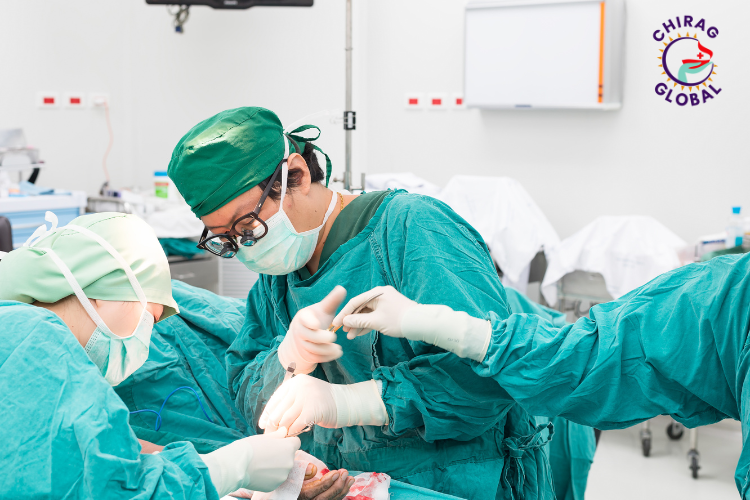
Video-Assisted Anal Fistula Treatment (VAAFT) is a minimally invasive procedure that uses a specialized fistuloscope to examine the fistula tract from the inside.
During the procedure, the surgeon:
- Identifies the internal opening
- Visualizes the fistula tract
- Cleans infected tissue
- Closes the internal opening
- Attempts to preserve the anal sphincter muscles
Because no large wound is created, postoperative discomfort may be less in appropriately selected patients.
What Is a Fistulotomy?
A fistulotomy is the most commonly performed surgical procedure for many simple anal fistulas.
The surgeon carefully opens the fistula tract along its length, allowing it to heal gradually from the inside outward.
Although this creates an open wound that requires regular dressing and wound care, fistulotomy has long been considered an effective treatment for uncomplicated fistulas.
VAAFT vs Fistulotomy: Quick Comparison
| Feature | VAAFT | Fistulotomy |
| Procedure type | Minimally invasive | Conventional surgery |
| Incisions | Small internal approach | Open surgical wound |
| Sphincter preservation | Designed to preserve sphincter muscles | Depends on fistula location |
| Best suited for | Selected complex fistulas | Many simple fistulas |
| Wound size | Minimal | Larger open wound |
| Recovery | Often quicker return to activities | Longer wound healing |
| Dressing requirements | Usually less extensive | Regular wound care required |
Which Procedure Has Faster Recovery?
When comparing VAAFT vs fistulotomy, many patients are interested in returning to normal life as soon as possible.
Recovery After VAAFT
Many patients may experience:
- Less postoperative discomfort
- Smaller wounds
- Earlier mobility
- Faster return to desk work
- Reduced dressing requirements
However, complete internal healing still requires time and follow-up.
Recovery After Fistulotomy
Recovery following fistulotomy generally involves:
- Open wound healing
- Daily wound care
- Regular follow-up visits
- Gradual reduction in discomfort
Although patients often resume routine activities within a few weeks, complete wound healing may take longer because the surgical wound heals from the inside outward.
Why Does Recovery Differ?
The difference in recovery largely depends on how each procedure treats the fistula.
VAAFT
- No large external wound
- Less tissue disruption
- Focuses on closing the fistula internally
- Designed to preserve surrounding structures
Fistulotomy
- Opens the fistula tract completely
- Creates an open wound
- Healing occurs gradually through natural tissue repair
Both techniques have different healing processes, which explains the variation in recovery.
When Is VAAFT Recommended?
A colorectal surgeon may consider VAAFT for selected patients with:
- Complex fistulas
- Recurrent fistulas
- High fistulas involving more of the sphincter muscles
- Patients where sphincter preservation is particularly important
Not every fistula is suitable for VAAFT.
When Is Fistulotomy Recommended?
Fistulotomy is commonly recommended for:
- Simple anal fistulas
- Low fistulas
- Straight fistula tracts
- Cases where dividing a small portion of the sphincter is considered safe
For many uncomplicated fistulas, fistulotomy remains an established treatment option.
VAAFT vs Fistulotomy: Pain After Surgery
VAAFT
Patients may experience:
- Mild to moderate discomfort
- Minimal wound pain
- Less pain while sitting in some cases
Fistulotomy
Patients may experience:
- Pain around the surgical wound
- Discomfort during bowel movements
- Tenderness during dressing changes
Pain gradually improves as healing progresses.
Factors That Influence Recovery
Recovery after either procedure may be affected by:
- Smoking
- Diabetes
- Nutrition
- Constipation
- Chronic diarrhea
- Obesity
- Immune disorders
- Complexity of the fistula
Maintaining healthy bowel habits can support recovery regardless of the procedure performed.
Tips for Faster Recovery
Whether you undergo VAAFT or fistulotomy, recovery can be supported by:
- Eating a high-fibre diet
- Drinking adequate water
- Avoiding constipation
- Following wound care instructions
- Taking medications as prescribed
- Walking regularly
- Attending follow-up appointments
- Avoiding heavy lifting until approved by your surgeon
Conclusion
When comparing VAAFT vs fistulotomy, recovery is only one aspect of treatment. VAAFT may offer a quicker return to everyday activities and less postoperative discomfort in carefully selected patients because it is minimally invasive and aims to preserve the anal sphincter. On the other hand, fistulotomy remains a highly effective and well-established treatment for many simple anal fistulas, although complete wound healing usually takes longer due to the open surgical approach.
Choosing between VAAFT vs fistulotomy should always be based on the type and complexity of the fistula rather than recovery time alone. At Chirag Global Hospitals, Bangalore, experienced colorectal specialists perform a detailed assessment and recommend the treatment approach that provides the best balance of healing, safety, sphincter preservation, and long-term outcomes for each individual patient.
Visit Chirag Global Hospitals Today!
Frequently Asked Questions
Is VAAFT less painful than fistulotomy?
Because VAAFT is minimally invasive and does not create a large open wound, many patients experience less postoperative discomfort. However, pain varies depending on the individual and the complexity of the fistula.
Which procedure has a faster recovery?
Many patients undergoing VAAFT return to routine activities sooner, while fistulotomy generally requires a longer wound-healing period. The most appropriate procedure depends on the characteristics of the fistula rather than recovery time alone.
Is VAAFT suitable for every fistula?
No. VAAFT is not appropriate for all fistulas. Your colorectal surgeon will determine whether it is suitable based on the location and complexity of the fistula.
Does fistulotomy have a longer healing period?
Yes. Since fistulotomy leaves an open wound that heals gradually, complete healing often takes longer than recovery after minimally invasive procedures.
Which treatment should I choose?
The best treatment depends on your individual diagnosis. A colorectal specialist will evaluate the fistula and recommend the option that offers the safest and most effective outcome.