

Radiation therapy for colon cancer uses high-energy radiation beams to destroy cancer cells and shrink tumors. While surgery remains the primary treatment for most colon cancers, radiation therapy may be recommended for locally advanced tumors, recurrent cancer, symptom relief, or when cancer has spread to nearby tissues. It is often used alongside chemotherapy and surgery as part of a comprehensive treatment plan.
Book a Consultation | Call 08065903127
What Is Radiation Therapy for Colon Cancer?
Radiation therapy is a cancer treatment that uses carefully targeted high-energy rays to destroy cancer cells while minimizing damage to surrounding healthy tissue.
For colon cancer, radiation therapy is not always the first treatment option. However, it can play an important role in specific situations where the tumor is difficult to remove completely, has spread locally, or is causing symptoms.
The goal of treatment may be to:
- Shrink the tumor before surgery
- Destroy remaining cancer cells after surgery
- Control cancer growth
- Reduce symptoms such as pain or bleeding
- Improve quality of life in advanced cancer cases
When Is Radiation Therapy Used for Colon Cancer?
Many patients ask:
Does every colon cancer patient need radiation therapy?
No. Radiation therapy is only recommended in selected cases based on the stage, location, and spread of the cancer.
Radiation therapy may be recommended when:
1. The Cancer Has Spread to Nearby Tissues
If the tumor has grown beyond the colon wall and involves nearby organs or structures, radiation may help shrink the tumor and improve treatment outcomes.
2. Cancer Returns After Treatment
Radiation therapy may be used when colon cancer recurs after previous treatment.
3. Symptoms Need Relief
Advanced colon cancer can sometimes cause:
- Pain
- Bleeding
- Bowel obstruction
- Pressure symptoms
Radiation therapy may help relieve these symptoms.
4. Combined Treatment Is Needed
Some patients benefit from a combination of:
- Surgery
- Chemotherapy
- Radiation therapy
- Targeted therapy
A multidisciplinary cancer team determines the most appropriate treatment plan.
How Does Radiation Therapy Work?
Radiation damages the DNA inside cancer cells, preventing them from growing and multiplying.
Unlike normal cells, cancer cells have a reduced ability to repair this damage.
Over time, the damaged cancer cells die, and the body’s natural processes remove them.
What Happens Before Radiation Therapy?
Before treatment begins, patients undergo detailed planning.
Initial Consultation
A cancer specialist reviews:
- Medical history
- Biopsy reports
- Imaging scans
- Cancer stage
- Overall health
Treatment Planning
Advanced imaging tests may include:
- CT scans
- MRI scans
- PET scans
These images help specialists precisely target the treatment area.
Personalized Treatment Plan
The radiation oncology team determines:
- Radiation dose
- Number of sessions
- Treatment schedule
- Areas requiring treatment
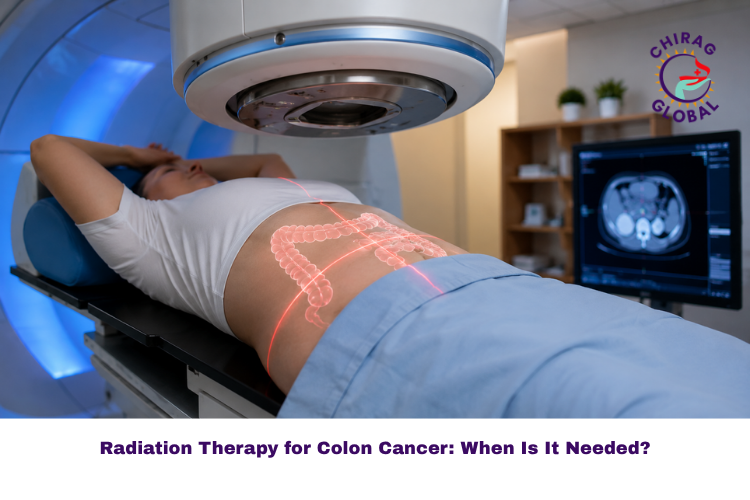
What Happens During Radiation Therapy?
Many patients are surprised to learn that radiation therapy itself is painless.
During Each Session:
- The patient lies on a treatment table.
- The machine is positioned accurately.
- Radiation is delivered to the targeted area.
- The treatment usually lasts only a few minutes.
Patients do not feel the radiation while it is being administered.
Most treatments are performed on an outpatient basis, allowing patients to return home the same day.
What Are the Benefits of Radiation Therapy for Colon Cancer?
Radiation therapy offers several potential benefits.
Tumor Shrinkage
Radiation can reduce tumor size, making surgery easier and more effective.
Better Local Control
Treatment can help prevent cancer from growing in the treated area.
Symptom Relief
Radiation may reduce:
- Pain
- Bleeding
- Pressure symptoms
- Discomfort from advanced tumors
Improved Quality of Life
For some patients, controlling symptoms can significantly improve daily functioning and comfort.
Radiation Therapy vs Chemotherapy for Colon Cancer
| Radiation Therapy | Chemotherapy |
| Targets a specific area | Works throughout the body |
| Uses high-energy rays | Uses anti-cancer drugs |
| Often used for local control | Often used for cancer spread |
| Usually painless during treatment | Administered through IV or oral medications |
| Can reduce tumor size before surgery | Can destroy cancer cells throughout the body |
Many patients receive both treatments as part of their cancer care plan.
Can Radiation Therapy Cure Colon Cancer?
Radiation therapy alone is not usually considered a cure for colon cancer.
However, when combined with surgery and chemotherapy, it can contribute significantly to successful treatment outcomes.
The chances of cure depend on:
- Cancer stage
- Tumor location
- Response to treatment
- Overall health
Early diagnosis generally offers the best outcomes.
Colon Cancer Treatment at Chirag Global Hospitals, Bangalore
At Chirag Global Hospitals, Bangalore, colon cancer treatment is personalized based on the stage and characteristics of the disease.
Treatment options may include:
- Colon cancer surgery
- Chemotherapy
- Radiation therapy
- Biological and targeted therapies
- Comprehensive follow-up care
A multidisciplinary team works together to develop individualized treatment plans focused on achieving the best possible outcomes.
Visit Chirag Global Hospitals Today!
Frequently Asked Questions
Is radiation therapy commonly used for colon cancer?
Radiation therapy is not required for every colon cancer patient. It is usually recommended for specific cases, including locally advanced, recurrent, or symptomatic disease.
How successful is radiation therapy for colon cancer?
Success depends on the stage of cancer, treatment goals, and whether radiation is combined with surgery or chemotherapy.
Is radiation therapy painful?
No. Radiation therapy itself is painless. Some side effects may develop gradually during treatment.
Can radiation therapy shrink colon cancer tumors?
Yes. Radiation therapy can reduce tumor size and may improve surgical outcomes in selected patients.