
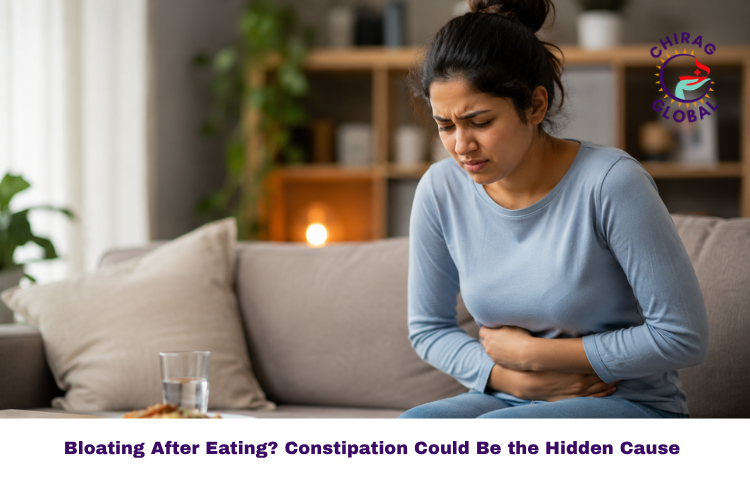
Many people experience bloating after eating, often describing it as a feeling of fullness, tightness, or swelling in the stomach. While occasional bloating is common after a heavy meal, persistent bloating after eating may indicate an underlying digestive issue.
One of the most overlooked causes of bloating is constipation. When stool remains in the intestines longer than normal, it can lead to gas buildup, abdominal pressure, and discomfort after meals.
At Chirag Global Hospitals, Bangalore, our specialists frequently evaluate patients who suffer from chronic constipation, bloating, and other digestive concerns. Understanding the connection between constipation and bloating can help you seek timely treatment and improve your digestive health.
Book a Consultation | Call 08065903127
Can Constipation Cause Bloating After Eating?
Yes. Constipation is one of the most common causes of bloating after eating.
When bowel movements become infrequent or difficult to pass, stool accumulates in the colon. This can slow the movement of gas through the digestive tract, leading to increased pressure and abdominal distension.
As a result, many people feel:
- Bloated shortly after meals
- Uncomfortably full even after eating small portions
- Gassy throughout the day
- Tightness or swelling in the abdomen
The longer constipation persists, the more noticeable these symptoms may become.
Why Does Constipation Cause Bloating?
Several factors contribute to bloating when constipation is present.
Gas Gets Trapped in the Intestines
When stool remains in the colon, gas produced during digestion has less space to move freely. This trapped gas can create pressure and visible abdominal swelling.
Slower Digestion
Constipation often slows the overall movement of food through the digestive system. As digestion becomes sluggish, patients may experience bloating after eating, particularly after larger meals.
Increased Fermentation
Food that remains in the digestive tract for longer periods can undergo increased bacterial fermentation, producing excess gas and worsening bloating.
Abdominal Distension
The accumulation of stool and gas may stretch the intestines, causing a swollen or bloated appearance.
Common Symptoms of Constipation-Related Bloating
People experiencing constipation-related bloating may notice:
- Bloating after eating
- Feeling full quickly during meals
- Hard or dry stools
- Fewer than three bowel movements per week
- Difficulty passing stool
- Straining during bowel movements
- Excessive gas
- Abdominal discomfort or cramping
- Feeling that the bowels have not emptied completely
Risk Factors for Constipation and Bloating
Several lifestyle and dietary factors can increase the likelihood of developing constipation and bloating.
Low-Fiber Diet
Insufficient fiber intake can slow bowel movements and contribute to stool retention.
Inadequate Water Intake
Dehydration can make stools harder and more difficult to pass.
Lack of Physical Activity
Regular movement helps stimulate bowel function. Sedentary lifestyles can increase the risk of constipation.
Ignoring the Urge to Pass Stool
Delaying bowel movements can worsen constipation over time.
Stress
Stress can affect gut motility and contribute to both constipation and bloating.
Certain Medical Conditions
Conditions such as irritable bowel syndrome (IBS), hypothyroidism, and some neurological disorders may cause chronic constipation.
How to Relieve Bloating After Eating Caused by Constipation
Increase Dietary Fiber Gradually
Foods rich in fiber can help improve bowel regularity, including:
- Fruits
- Vegetables
- Whole grains
- Legumes
- Seeds
Fiber should be increased gradually to avoid worsening gas and bloating initially.
Drink More Water
Adequate hydration helps soften stool and supports healthy bowel movements.
Stay Active
Walking, stretching, and regular exercise can stimulate intestinal movement and reduce bloating.
Establish a Regular Bathroom Routine
Responding promptly to the urge to pass stool can help prevent chronic constipation.
Avoid Overeating
Large meals can increase pressure on the digestive system and worsen bloating symptoms.
Limit Gas-Producing Foods
Some individuals may benefit from reducing:
- Carbonated drinks
- Processed foods
- Excessive fried foods
- Certain high-gas vegetables
Diagnosis and Treatment at Chirag Global Hospitals, Bangalore
At Chirag Global Hospitals, Bangalore, our specialists evaluate patients with constipation and bloating through a detailed assessment of symptoms, diet, lifestyle, and medical history.
Depending on the cause, treatment may include:
- Dietary modifications
- Fiber supplementation
- Hydration strategies
- Lifestyle changes
- Medications for constipation management
- Evaluation for IBS and other digestive disorders
- Colonoscopy or additional investigations when necessary
Early diagnosis can help prevent complications and significantly improve quality of life.
Conclusion
Bloating after eating is often linked to constipation, especially when bowel movements are infrequent or difficult. While occasional bloating is common, persistent symptoms should not be ignored. Identifying and treating the underlying cause can provide lasting relief and improve digestive health.
If you are experiencing frequent bloating after eating along with constipation, the specialists at Chirag Global Hospitals, Bangalore can help diagnose the cause and recommend the most effective treatment plan.
Visit Chirag Global Hospitals Today!
Frequently Asked Questions
Can constipation cause bloating after every meal?
Yes. Chronic constipation can lead to trapped gas and delayed digestion, causing bloating after most meals.
How do I know if my bloating is caused by constipation?
If bloating is accompanied by infrequent bowel movements, hard stools, straining, or a feeling of incomplete evacuation, constipation may be the cause.
Does drinking water help reduce bloating?
Yes. Proper hydration helps soften stool, improve bowel movements, and reduce constipation-related bloating.
When should I worry about bloating after eating?
Seek medical advice if bloating is persistent, severe, associated with weight loss, blood in the stool, or significant abdominal pain.
What treatments are available for constipation-related bloating?
Treatment may include dietary changes, increased fiber intake, hydration, exercise, medications, and evaluation for underlying digestive disorders.