
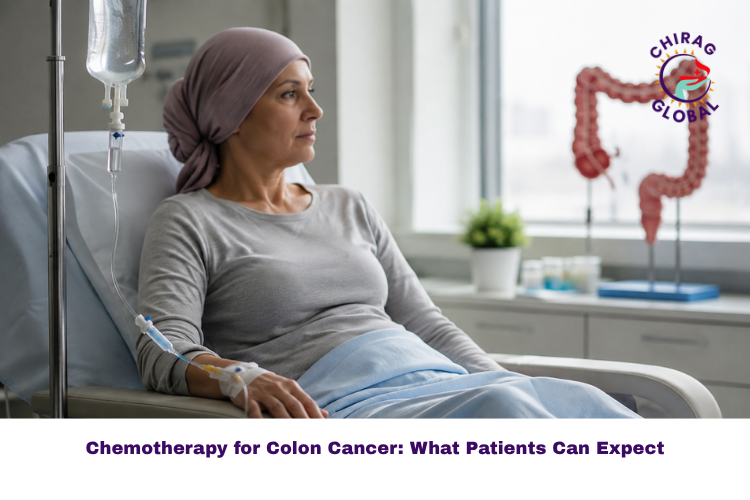
Being told that chemotherapy is part of your colon cancer treatment can bring many questions. How does chemotherapy work? How long will treatment last? What happens during each session? Will there be side effects? Can I continue my normal activities? Understanding what to expect can make the treatment journey feel more manageable.
Chemotherapy for colon cancer uses medicines that destroy cancer cells or prevent them from growing and dividing. It may be recommended before surgery, after surgery, or for colon cancer that has spread to other parts of the body. The treatment plan depends on factors such as the cancer stage, tumour characteristics, previous treatment, overall health, and treatment goals.
At Chirag Global Hospitals, Bangalore, colon cancer care involves a multidisciplinary approach in which specialists assess the patient’s condition and develop an individualized treatment plan. Depending on the stage and characteristics of the cancer, chemotherapy may be combined with surgery, targeted therapy, immunotherapy, or other treatments.
This guide explains what patients can generally expect during chemotherapy for colon cancer, from treatment cycles, recovery, and supportive care.
Book a Consultation | Call 08065903127
What Is Chemotherapy for Colon Cancer?
Chemotherapy is a systemic cancer treatment. This means the medicines travel through the bloodstream and can reach cancer cells throughout the body.
For colon cancer, chemotherapy may be used to:
- Reduce the risk of cancer returning after surgery
- Shrink a tumour before surgery in selected situations
- Control cancer that has spread
- Slow cancer growth
- Relieve symptoms caused by advanced disease
Chemotherapy is not identical for every patient. The drugs, doses, schedule, and duration are selected according to the individual’s cancer and overall health.
When Is Chemotherapy Used for Colon Cancer?
Chemotherapy may be recommended at different stages of colon cancer.
Chemotherapy After Surgery
This is known as adjuvant chemotherapy.
It may be recommended after surgery when there is a significant risk that microscopic cancer cells could remain in the body.
The purpose is to reduce the likelihood of the cancer returning.
Chemotherapy Before Surgery
In selected cases, treatment may be given before surgery to shrink or control the tumour and make subsequent treatment more effective.
This approach is not necessary for every colon cancer patient.
Chemotherapy for Advanced Colon Cancer
When colon cancer has spread to distant organs, such as the liver or lungs, systemic treatment may be used to control the disease.
Chemotherapy may be combined with other systemic treatments depending on the tumour’s molecular characteristics.
What Happens Before Chemotherapy Starts?
Before beginning treatment, your oncology team will usually review several factors.
These may include:
- Cancer stage
- Pathology results
- Imaging findings
- Previous treatments
- General health
- Kidney and liver function
- Blood cell counts
- Nutritional status
- Other medical conditions
- Molecular or genetic characteristics of the tumour when relevant
Blood tests are commonly performed before treatment to determine whether your body is ready for the next cycle.
Your oncology team will also explain the proposed treatment schedule and potential side effects.
What Are Chemotherapy Cycles?
Chemotherapy is usually given in cycles rather than continuously.
A cycle consists of:
Treatment → Recovery period → Next treatment
The recovery period gives healthy tissues time to recover from the effects of chemotherapy.
The number and timing of cycles depend on the treatment regimen.
For some patients, chemotherapy is administered every few weeks. Other regimens involve medicines given over several days or through an infusion pump.
Your oncologist will explain the exact schedule appropriate for your treatment.
How Is Chemotherapy Given?
Chemotherapy for colon cancer can be administered in different ways.
Intravenous Chemotherapy
Many chemotherapy medicines are given through a vein.
Treatment may be administered through:
- A regular IV line
- A central venous catheter
- An implanted port
Oral Chemotherapy
Some chemotherapy medicines are available as tablets or capsules.
If you are prescribed oral chemotherapy, following the dosing schedule exactly is important.
Do not change the dose or stop treatment without speaking with your oncology team.
Fatigue During Colon Cancer Chemotherapy
Fatigue is one of the most commonly reported side effects of cancer treatment.
You may notice that:
- You tire more easily
- Everyday tasks require more effort
- You need additional rest
- Your energy changes throughout the treatment cycle
Helpful strategies can include:
- Prioritising important activities
- Taking short rest periods
- Maintaining gentle physical activity when your medical team says it is safe
- Eating adequately
- Staying hydrated
- Asking for help with physically demanding tasks
Persistent or severe fatigue should be discussed with your oncology team because anemia, infection, poor nutrition, or other treatable factors can sometimes contribute.
Nausea and Changes in Appetite
Some chemotherapy medicines can cause nausea or affect appetite.
Your doctor may prescribe anti-nausea medication to prevent or control these symptoms.
You may find it easier to:
- Eat smaller meals more frequently
- Choose foods that are easier to tolerate
- Drink fluids regularly
- Avoid foods that worsen nausea
- Discuss persistent appetite loss with your healthcare team
Maintaining adequate nutrition is particularly important during cancer treatment.
Bowel Changes During Treatment
Because colon cancer affects the digestive system and chemotherapy can also influence bowel function, some patients may experience:
- Diarrhea
- Constipation
- Abdominal discomfort
- Changes in bowel frequency
Do not self-treat significant or persistent bowel changes without informing your oncology team.
Your doctor may recommend dietary adjustments or medicines depending on the cause.
Is Chemotherapy the Same for Every Colon Cancer Patient?
No.
Colon cancer treatment is individualized.
Two people with colon cancer may receive different treatment because of differences in:
- Cancer stage
- Tumour location
- Molecular characteristics
- Previous treatment
- Overall health
- Age and fitness
- Treatment goals
Some patients may receive chemotherapy alone, while others may receive combinations involving surgery, targeted therapy, or immunotherapy.
Does Everyone With Colon Cancer Need Chemotherapy?
No. Whether chemotherapy is recommended depends on the stage and characteristics of the cancer and the individual’s circumstances.
For some patients, surgery may be the primary treatment. Others may benefit from chemotherapy before or after surgery, while patients with advanced disease may require systemic treatment to control cancer.
Your oncology team can explain why chemotherapy is or is not recommended in your specific case.
Conclusion
Chemotherapy for colon cancer can be an important part of treatment before or after surgery or for cancer that has spread beyond the colon. Treatment is generally delivered in cycles, with regular monitoring to assess blood counts, side effects, and response to therapy.
Side effects such as fatigue, nausea, appetite changes, bowel changes, mouth sores, and changes in blood counts can occur, but not every patient experiences the same effects. Modern cancer care includes supportive treatments that can help manage many chemotherapy-related symptoms.
If you or a loved one has been diagnosed with colon cancer and chemotherapy has been recommended, understanding the treatment schedule, potential side effects, monitoring process, and follow-up care can help you prepare for the journey. At Chirag Global Hospitals, Bangalore, the oncology and colorectal care teams can evaluate your condition and develop an individualized treatment plan based on your cancer and overall health.
Visit Chirag Global Hospitals Today!
Frequently Asked Questions
How long does chemotherapy for colon cancer take?
The total duration varies according to the chemotherapy regimen and treatment goal. Treatment is usually divided into cycles with recovery periods between them.
Is chemotherapy painful?
The chemotherapy medicine itself is not usually painful to receive through an IV, although inserting the IV or accessing a port can cause brief discomfort. Some side effects may develop during or after treatment.
Will I lose my hair during colon cancer chemotherapy?
Not necessarily. Hair loss depends on the specific chemotherapy medicines used. Some treatments cause significant hair loss, while others cause little or none.
Can I eat normally during chemotherapy?
Many patients can continue eating a normal balanced diet, but appetite, taste, nausea, diarrhea, or constipation may affect food choices. Your healthcare team can provide individualized nutritional guidance.
Can colon cancer chemotherapy be stopped because of side effects?
Treatment may sometimes be delayed, adjusted, or modified if side effects become significant. The decision should always be made by your oncology team rather than stopping treatment independently.
Is chemotherapy used after colon cancer surgery?
Yes, chemotherapy may be recommended after surgery for selected patients to reduce the risk of recurrence. Whether it is appropriate depends on the cancer’s stage and other pathological and molecular factors.
What happens if chemotherapy does not control advanced colon cancer?
If the cancer does not respond adequately, the oncology team may consider changing the treatment regimen or using other approaches, depending on the tumour’s characteristics and the patient’s overall health.