
Anal fistula can be a painful and frustrating condition that affects daily comfort, hygiene, and quality of life. Many people delay treatment because they are concerned about surgery, recovery time, or possible complications. However, advancements in colorectal treatments have introduced minimally invasive options like anal fistula glue plug treatment, which aims to close the abnormal tract while preserving the surrounding muscles.
At Chirag Global Hospitals, Bangalore, specialists evaluate each patient’s fistula type, symptoms, and overall health before recommending the most suitable treatment approach. Understanding how fistula glue plug treatment works, who can benefit from it, and what to expect during recovery can help patients make informed decisions.
If you are experiencing persistent discharge, pain, swelling, or recurring infections near the anal area, consult a qualified colorectal specialist for proper diagnosis and treatment guidance.
Book a Consultation | Call 08065903127
Why Is Treating Anal Fistula Important?
Leaving an anal fistula untreated can result in ongoing discomfort and repeated infections. Some fistulas may become more complicated over time, especially if they involve deeper tissues or anal muscles.
Early treatment can help:
- Reduce repeated infections
- Relieve pain and discomfort
- Prevent worsening of the fistula tract
- Improve quality of life
- Reduce the risk of complications
The choice of treatment depends on factors such as fistula location, complexity, previous treatments, and involvement of anal sphincter muscles.
What Is Anal Fistula Glue Plug Treatment?
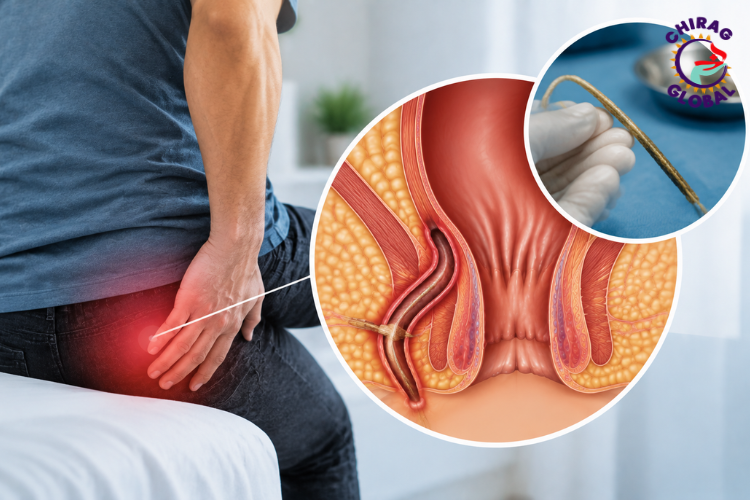
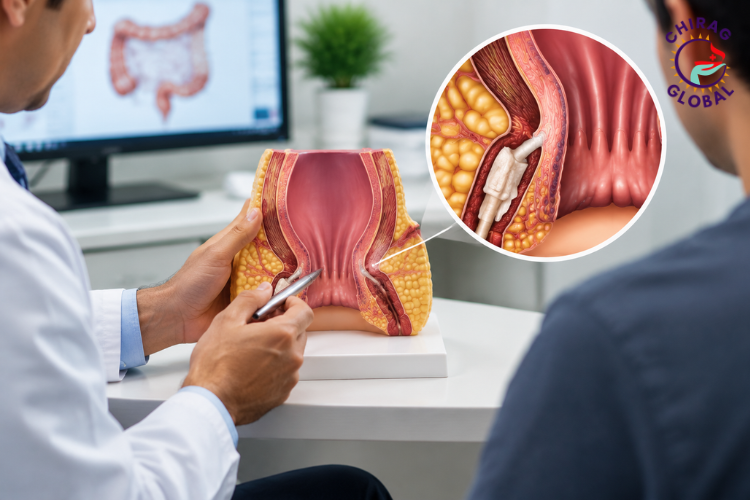
Anal fistula glue plug treatment is a minimally invasive procedure designed to close the fistula tract using a specially developed medical material.
Unlike traditional fistula surgery methods that may involve cutting open the tract, the glue plug technique focuses on sealing the internal pathway and supporting natural healing.
The procedure involves placing a biocompatible plug or adhesive material into the fistula tract. Over time, the body’s healing process helps form new tissue around the treated area, gradually closing the abnormal tunnel.
This approach may help reduce damage to surrounding tissues and preserve anal sphincter function.
How Does Fistula Glue Plug Treatment Work?
The procedure generally involves the following steps:
1. Diagnosis and Fistula Mapping
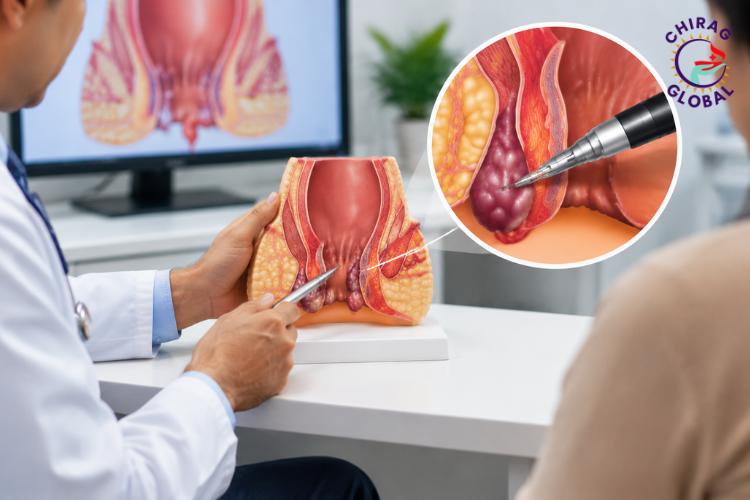
Before treatment, the surgeon evaluates the fistula using clinical examination and, when required, imaging tests such as MRI fistulography.
This helps identify:
- The internal opening of the fistula
- The external opening on the skin
- Length and pathway of the tract
- Complexity of the fistula
Accurate mapping helps doctors select the most appropriate treatment method.
2. Cleaning the Fistula Tract
During the procedure, the fistula tract is cleaned to remove infected tissue and debris. This prepares the area for placement of the plug or glue material.
Proper cleaning is important because infection inside the tract can affect healing.
3. Placement of the Glue Plug
The medical plug or adhesive material is carefully placed inside the fistula tract. The material acts as a framework that supports tissue growth and closure.
The goal is to close the abnormal connection while avoiding unnecessary injury to the anal muscles.
4. Healing and Follow-Up
After the procedure, new tissue gradually develops around the treated area. Regular follow-up appointments help doctors monitor healing progress.
Patients are usually advised about:
- Maintaining proper hygiene
- Dietary changes to avoid constipation
- Wound care instructions
- Activity restrictions during recovery
Benefits of Anal Fistula Glue Plug Treatment
For selected patients, fistula glue plug treatment may offer several advantages:
Minimally Invasive Approach
The procedure focuses on closing the fistula tract without extensive cutting of surrounding tissues.
Helps Preserve Anal Muscles
Because the technique avoids cutting the sphincter muscles, it may help reduce the risk of bowel control problems associated with some fistula surgeries.
Less Post-Procedure Discomfort
Compared with some traditional surgical techniques, minimally invasive procedures may involve less pain and faster recovery for suitable patients.
Shorter Recovery Period
Many patients can return to normal activities sooner compared with procedures requiring larger wounds, depending on individual healing.
Suitable for Selected Complex Cases
Fistula plug procedures may be considered for certain fistulas where preserving muscle function is important.
Choosing the right treatment depends on the type and complexity of the fistula. A detailed evaluation by a specialist is essential before deciding on any procedure.
Who Is a Good Candidate for Anal Fistula Glue Plug Treatment?
Anal fistula glue plug treatment may be considered for patients who:
- Have a confirmed anal fistula diagnosis
- Want a minimally invasive treatment option
- Have fistulas where preserving sphincter muscles is important
- Have suitable fistula tract anatomy
- Have not achieved healing with previous approaches
However, this treatment may not be appropriate for everyone.
Factors that influence treatment selection include:
- Type of fistula
- Location of the tract
- Presence of active infection
- Previous fistula surgeries
- Overall health condition
A colorectal specialist can recommend whether a glue plug procedure is suitable after complete evaluation.
Complete SEO Blog Content (Continued)
Anal Fistula Glue Plug Treatment vs Traditional Fistula Surgery
Different fistula treatments are selected based on the complexity and location of the fistula. While traditional procedures like fistulotomy remain effective for many patients, minimally invasive techniques such as fistula glue plug treatment provide an alternative approach in selected cases.
| Treatment Approach | How It Works | Considerations |
| Fistulotomy | The fistula tract is opened and allowed to heal from inside out | Effective for many simple fistulas but may not be suitable when significant muscle involvement exists |
| Seton Placement | A surgical thread is placed through the fistula tract to control infection and drainage | Often used for complex fistulas or staged treatment |
| Fistula Glue Plug Treatment | A plug or biological material is placed inside the tract to support closure | Designed to preserve surrounding tissues in suitable cases |
| Laser Fistula Treatment | Laser energy is used to close the fistula tract | Availability and suitability depend on individual cases |
The best treatment option depends on proper diagnosis rather than a single approach being suitable for every patient.
What to Expect During Recovery After Fistula Glue Plug Treatment?
Recovery after anal fistula glue plug treatment varies depending on the complexity of the fistula and individual healing response.
Patients may be advised to:
- Keep the area clean and dry
- Follow prescribed medications
- Maintain a high-fibre diet
- Drink enough water
- Avoid constipation and straining during bowel movements
- Attend scheduled follow-up visits
Diet and Lifestyle Tips After Treatment
A healthy recovery routine can support healing:
- Include fibre-rich foods such as fruits, vegetables, and whole grains
- Avoid prolonged sitting during the initial recovery period
- Maintain good anal hygiene
- Follow the surgeon’s activity recommendations
If symptoms such as increasing pain, fever, swelling, or excessive discharge occur after treatment, medical advice should be taken promptly.
What Are the Possible Risks of Fistula Glue Plug Treatment?
Like any medical procedure, anal fistula glue plug treatment has potential risks. These may include:
- Recurrence of fistula
- Infection
- Plug displacement
- Delayed healing
- Persistent discharge
The success of treatment depends on several factors, including accurate fistula assessment, appropriate patient selection, and following post-treatment care instructions.
How Is Anal Fistula Diagnosed?
A proper diagnosis is important before selecting treatment.
A colorectal specialist may use:
Physical Examination
The doctor examines the external opening, symptoms, and surrounding area to understand the condition.
Imaging Tests
In some cases, MRI fistulography may be recommended to understand:
- The complete fistula pathway
- Internal opening location
- Muscle involvement
- Presence of hidden infection
Medical History Review
Previous abscesses, surgeries, bowel conditions, and recurring symptoms help doctors plan treatment.
When Should You Consult a Doctor for Anal Fistula?
You should seek medical advice if you notice:
- Continuous discharge near the anus
- Repeated swelling or painful lumps
- Persistent itching or irritation
- Recurrent anal abscess
- Pain during sitting or bowel movements
Early consultation can help prevent the condition from becoming more complicated.
Why Choose Chirag Global Hospitals for Anal Fistula Treatment in Bangalore?
Choosing the right hospital and specialist plays an important role in fistula treatment outcomes.
At Chirag Global Hospitals, Bangalore, patients receive evaluation based on their individual condition, symptoms, and treatment requirements.
The focus includes:
- Detailed diagnosis before treatment planning
- Advanced treatment options for anal fistula
- Specialist-led care
- Patient-focused guidance throughout recovery
The appropriate treatment approach is selected after understanding each patient’s specific condition.
If you are looking for expert guidance for anal fistula treatment in Bangalore, consult Chirag Global Hospitals for a detailed evaluation and personalised treatment plan.
Visit Chirag Global Hospitals!
Frequently Asked Questions About Anal Fistula Glue Plug Treatment
What is anal fistula glue plug treatment?
Anal fistula glue plug treatment is a minimally invasive procedure that uses a medical plug or adhesive material to close the fistula tract and support natural healing without extensive cutting of surrounding tissues.
How does a fistula glue plug procedure work?
The procedure involves cleaning the fistula tract and placing a specialised plug material inside it. The material supports tissue growth, allowing the tract to gradually close during the healing process.
Is anal fistula glue plug treatment painful?
The discomfort level varies from person to person. Since the procedure is minimally invasive and aims to preserve surrounding tissues, some patients may experience less post-procedure discomfort compared with certain traditional surgeries.
Who is suitable for anal fistula glue plug treatment?
Patients with suitable fistula anatomy, especially those where preserving anal sphincter muscles is important, may be considered for this treatment. A specialist evaluation is needed to determine suitability.
How long does recovery take after fistula glue plug treatment?
Recovery time depends on the fistula complexity and individual healing. Patients usually receive specific instructions regarding diet, hygiene, activity, and follow-up care.
Can an anal fistula come back after glue plug treatment?
Yes, recurrence is possible with any fistula treatment. The risk depends on factors such as fistula complexity, infection control, healing response, and adherence to follow-up care.
Is fistula glue plug treatment better than fistula surgery?
There is no single treatment that is best for every patient. The appropriate option depends on fistula type, location, symptoms, and involvement of surrounding muscles.
Where can I get anal fistula treatment in Bangalore?
Patients looking for anal fistula treatment in Bangalore can consult Chirag Global Hospitals for evaluation and personalised treatment recommendations.