
An anal fissure is a small tear in the skin lining the anus that can cause sharp pain, burning, and bleeding during or after bowel movements. Many acute fissures can heal with appropriate care, but some take longer than expected or repeatedly return.
When anal fissure healing is delayed, the problem is not always the fissure itself. Certain bowel habits, lifestyle factors, and treatment mistakes can repeatedly irritate the tear and prevent it from healing properly.
For example, continuing to strain during bowel movements, allowing constipation to persist, spending too much time on the toilet, or stopping prescribed treatment as soon as symptoms improve may interfere with recovery.
At Chirag Global Hospitals, Bangalore, colorectal specialists evaluate persistent or recurrent anal fissures to identify factors preventing healing and determine whether medical, minimally invasive, or surgical treatment may be appropriate.
Book a Consultation | Call 08065903127
Here are seven common mistakes that can make anal fissure recovery take longer.
1. Ignoring Constipation
One of the biggest obstacles to anal fissure healing is continuing constipation.
Hard, dry stools can stretch the anal canal while passing and repeatedly reopen the healing tear.
This can create a cycle:
Constipation → Hard stool → Anal tear → Pain → Delayed healing → Recurrent fissure
To reduce this cycle, focus on keeping stools soft and easier to pass.
Helpful measures may include:
- Eating adequate dietary fibre
- Drinking sufficient fluids
- Eating fruits and vegetables
- Including whole grains and other fibre-rich foods
- Staying physically active
- Following your doctor’s recommendations for stool-softening treatment when needed
Persistent constipation should be addressed rather than treated as a separate issue.
2. Straining During Bowel Movements
Even when stool is not extremely hard, forceful straining can put pressure on the anal tissues.
Repeated straining may:
- Stretch the fissure
- Increase pain
- Irritate healing tissue
- Increase pressure around the anus
Try to avoid forcing a bowel movement.
If stool does not pass easily, getting up and trying again later may be preferable to prolonged straining.
3. Sitting on the Toilet for Too Long
Spending a long time on the toilet can increase pressure around the anal region.
This is particularly common when people use their phones while sitting on the toilet.
Instead:
- Go when you feel the urge
- Avoid unnecessary toilet sitting
- Do not force a bowel movement
- Leave the toilet once you have finished
Healthy toilet habits can support the healing process.
4. Stopping Treatment Too Early
Another common reason an anal fissure may continue to cause problems is stopping treatment as soon as the pain improves.
Pain can decrease before the underlying tear has completely healed.
Depending on the condition, a doctor may recommend:
- Stool-softening measures
- Dietary changes
- Adequate fluid intake
- Topical medication
- Pain-relieving measures
- Other treatments when necessary
If a medication has been prescribed for a specific duration, follow your doctor’s instructions rather than stopping it independently when symptoms improve.
5. Not Drinking Enough Fluids
Adequate hydration can support softer stools, although fluid needs vary between individuals.
When fluid intake is inadequate, stool may become harder and more difficult to pass, particularly when combined with insufficient dietary fibre.
Instead of relying on water alone, focus on overall bowel health through:
- Adequate fluids
- Fibre-rich foods
- Regular movement
- Healthy bowel habits
If you have been advised to restrict fluids because of another medical condition, follow your healthcare provider’s advice.
6. Ignoring the Pain and Delaying Medical Care
Pain from an anal fissure can cause people to avoid bowel movements.
This may lead to stool remaining in the colon longer, allowing more water to be absorbed. The resulting stool can become harder and more difficult to pass.
This can make the original fissure worse.
A persistent fissure should not simply be tolerated indefinitely.
Medical evaluation is particularly important when:
- Pain continues for several weeks
- Bleeding keeps occurring
- Symptoms repeatedly return
- The fissure does not improve with appropriate care
- A lump develops near the anus
- Pain becomes severe
7. Assuming Every Anal Fissure Will Heal on Its Own
Some acute anal fissures do heal with conservative management. However, not every fissure follows the same course.
A fissure that persists or repeatedly returns may become chronic.
Chronic fissures can be associated with changes such as:
- A sentinel skin tag
- Enlarged tissue around the fissure
- Exposed internal anal muscle fibres
- Persistent anal muscle spasm
Once a fissure becomes chronic, it may require more targeted medical treatment.
What Can Support Anal Fissure Healing?
While treatment should be individualized, several measures can support recovery.
Keep Stools Soft
Soft stools reduce stretching of the anal canal and may make bowel movements less painful.
Adequate fibre and fluids can help.
Avoid Straining
Do not force stool out during bowel movements.
Maintain Regular Bowel Habits
Respond to the urge to pass stool rather than repeatedly delaying bowel movements.
Keep the Area Clean
Gently clean the anal area after bowel movements.
Avoid aggressive wiping or harsh products that may irritate the skin.
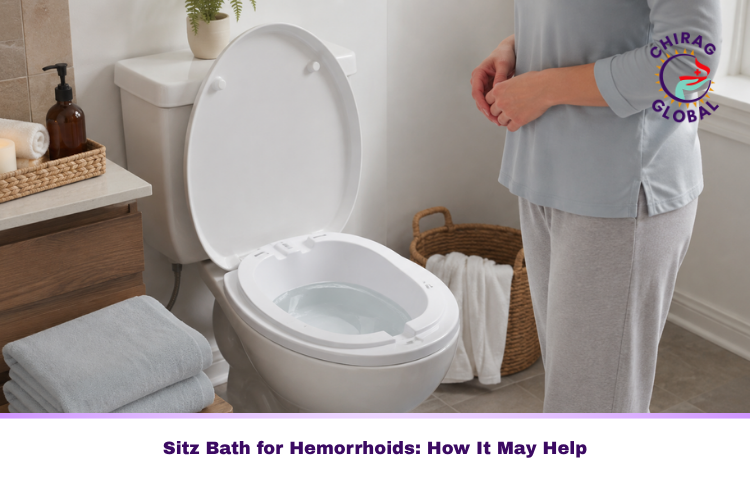
Consider Warm Water Soaks
A warm sitz bath may help soothe anal discomfort and relax the area.
It provides symptom relief but does not necessarily treat the underlying fissure.
How Long Does Anal Fissure Healing Take?
The healing time varies depending on whether the fissure is acute or chronic and whether contributing factors are addressed.
An acute fissure may heal over several weeks with appropriate conservative management.
If symptoms persist beyond the expected healing period or repeatedly return, the fissure may require further evaluation.
The important point is that pain relief does not always mean the fissure has completely healed.
Can an Anal Fissure Come Back After Healing?
Yes.
Recurrence can happen, particularly if constipation, hard stools, straining, or other contributing factors return.
Maintaining healthy bowel habits after symptoms improve is therefore important.
Conclusion
Anal fissure healing can be delayed when the tear is repeatedly exposed to hard stools, straining, constipation, prolonged toilet sitting, or other sources of irritation. Stopping treatment too early or assuming persistent symptoms will resolve without evaluation can also allow the problem to continue.
Keeping stools soft, avoiding straining, maintaining healthy toilet habits, following prescribed treatment, and seeking medical attention when symptoms persist can support recovery.
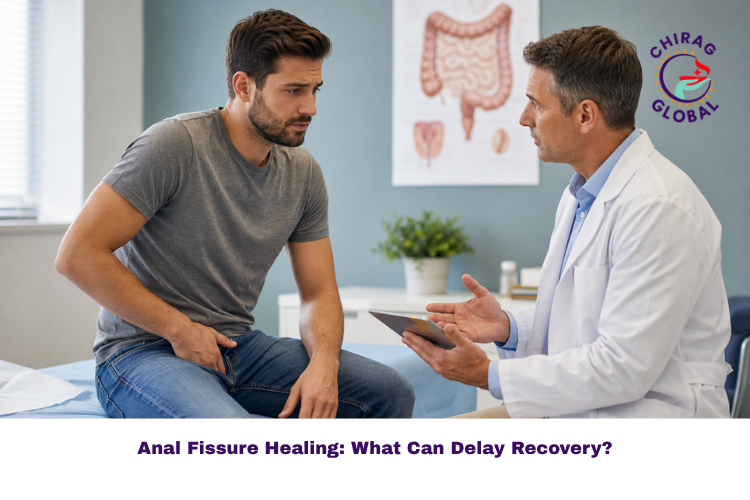
If an anal fissure continues to cause pain or bleeding despite appropriate care, a colorectal specialist can determine whether the fissure has become chronic and whether additional treatment is needed. At Chirag Global Hospitals, Bangalore, patients can receive evaluation and individualized treatment for persistent and recurrent anal fissures.
Visit Chirag Global Hospitals Today!
Frequently Asked Questions
What is the most common reason an anal fissure does not heal?
Persistent constipation and repeated trauma from hard stools or straining are common factors that can interfere with healing.
Can an anal fissure heal without surgery?
Yes. Many acute anal fissures heal with appropriate bowel management and medical treatment. Chronic fissures that do not respond to conservative treatment may require additional procedures.
Does sitting on the toilet too long affect anal fissure healing?
Prolonged toilet sitting can increase pressure around the anal area and may contribute to irritation. Keeping toilet time short is generally advisable.
Can drinking water heal an anal fissure?
Adequate hydration can help support softer stools, but water alone does not necessarily heal an established fissure. A comprehensive approach to bowel management may be needed.
Why does my anal fissure keep coming back?
Recurrence may be associated with constipation, hard stools, straining, persistent muscle spasm, or incomplete healing. Recurrent fissures should be evaluated by a specialist.
When should I see a doctor for an anal fissure?
See a doctor if pain or bleeding persists, the fissure repeatedly returns, symptoms are severe, or the condition does not improve with appropriate conservative care.