

Anal fissures are small tears in the lining of the anal canal, but the pain they cause can be severe. Common symptoms include sharp pain during or after a bowel movement, burning discomfort and a small amount of bright red blood on toilet paper.
Some acute fissures heal with appropriate care, so it can be tempting to wait. But when a fissure keeps reopening or fails to heal, it can become chronic and harder to manage. Understanding the complications of untreated anal fissures can help you recognise when persistent symptoms need medical attention.
At Chirag Global Hospitals, patients in Bangalore can seek an evaluation for ongoing anal pain, bleeding or difficult bowel movements and discuss treatment based on the cause and duration of symptoms.
Experiencing persistent pain or bleeding while passing stool? Consider consulting a specialist at Chirag Global Hospitals in Bangalore rather than continuing to wait for the symptoms to settle.
Book a Consultation | Call 08065903127
What is an anal fissure?
An anal fissure is a tear in the delicate lining of the anal canal, commonly caused by passing a hard or large stool. Frequent diarrhoea, repeated straining and local trauma can also contribute.
Typical symptoms include:
- Sharp pain while passing stool
- Burning or throbbing pain afterwards
- Bright red blood on toilet paper or the stool surface
- Tightness or spasm around the anal opening
- Avoiding bowel movements because of anticipated pain
Many acute fissures improve when stools are kept soft and the area is allowed to heal. The concern is a fissure that does not heal or repeatedly reopens.
What happens if an anal fissure is left untreated?
Not every untreated fissure develops a serious complication. However, persistent symptoms should not be ignored simply because the bleeding is small.
An acute fissure can become chronic
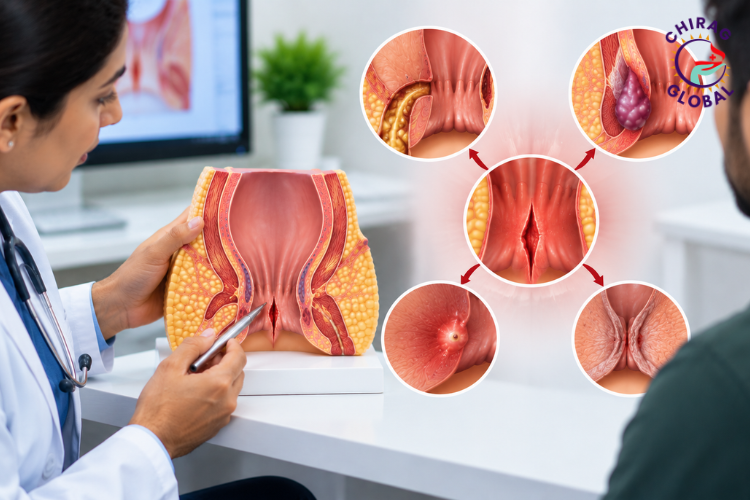
A fissure that continues for several weeks, often around six weeks or more, may be considered chronic. Chronic fissures can develop a small external skin tag called a sentinel tag and, in some cases, an enlarged anal papilla.
The edges of a long-standing fissure may also become less likely to heal without targeted treatment.
Pain can create a bowel movement cycle
Pain can lead to a self-perpetuating cycle:
- Passing stool causes pain.
- The anal sphincter tightens in response.
- The person begins to fear the next bowel movement.
- They may delay using the toilet.
- Stool becomes harder.
- The harder stool can reopen the fissure.
This combination of pain, sphincter spasm and harder stools can make a fissure persist.
Constipation and straining may worsen
People with a painful fissure may avoid bowel movements or strain because they expect difficulty. Both can increase local trauma.
Hard stools and repeated straining can keep irritating the fissure, which is why managing constipation is an important part of anal fissure treatment.
Persistent pain can affect daily life
Long-lasting anal pain may make it uncomfortable to sit, work, exercise or plan around normal bowel movements. Repeated episodes can also create anxiety about using the toilet.
If pain is interfering with daily activities or keeps returning, medical assessment is preferable to repeatedly waiting for symptoms to settle.
A skin tag or enlarged papilla may develop
Long-standing fissures can be associated with a sentinel skin tag at the outer edge of the fissure or a hypertrophied anal papilla inside the anal canal. These findings can help a clinician recognise a chronic fissure.
They do not necessarily mean that the condition is dangerous, but they can indicate that the problem has been present for some time and may need more than simple observation.
Persistent bleeding should not automatically be blamed on a fissure
Small amounts of bright red bleeding can occur with an anal fissure, but rectal bleeding has several possible causes.
Heavy or recurrent bleeding, blood mixed with stool, unexplained weight loss or a change in bowel habits needs proper assessment. A doctor may need to consider conditions such as haemorrhoids, inflammatory bowel disease, polyps or other causes.
An unusual fissure may need further evaluation
Most fissures occur in a typical midline location. A fissure that is off to the side, multiple, unusually persistent or repeatedly recurring may prompt further investigation.
Conditions such as Crohn’s disease and other inflammatory or systemic disorders can sometimes be associated with atypical fissures. Persistent non-healing symptoms should therefore be assessed rather than repeatedly assumed to be a routine fissure.
Are infection, abscess or fistula complications of an anal fissure?
An anal fissure is a tear, while an abscess is a collection of pus and a fistula is an abnormal tunnel between the anal canal and nearby skin. An ordinary anal fissure does not typically progress into an abscess or fistula.
However, severe or worsening pain, fever, pus, redness or a new lump around the anus should not be assumed to be a simple fissure. These symptoms may indicate an abscess or another condition requiring prompt assessment.
When should you see a doctor for an anal fissure?
Consider medical evaluation if:
- Pain continues or repeatedly returns
- Bleeding does not settle
- You avoid bowel movements because of pain
- Constipation or straining is becoming frequent
- Symptoms continue for several weeks despite home measures
- You notice a new lump, discharge or swelling
Seek urgent care for heavy rectal bleeding, fever with anal pain, pus or rapidly increasing swelling, severe worsening pain, dizziness or fainting.
How are anal fissures treated?
Treatment depends on whether the fissure is acute or chronic, symptom severity and contributing factors such as constipation.
Measures that may support healing
A clinician may recommend:
- Gradually increasing dietary fibre
- Drinking adequate fluids
- Avoiding prolonged straining
- Keeping bowel movements regular and soft
- Stool-softening medicines when appropriate
- Warm sitz baths for symptom relief
Prescription topical medicines may also help relax the anal sphincter and support healing. The right medicine depends on the individual and should be advised by a clinician.
When a procedure may be considered
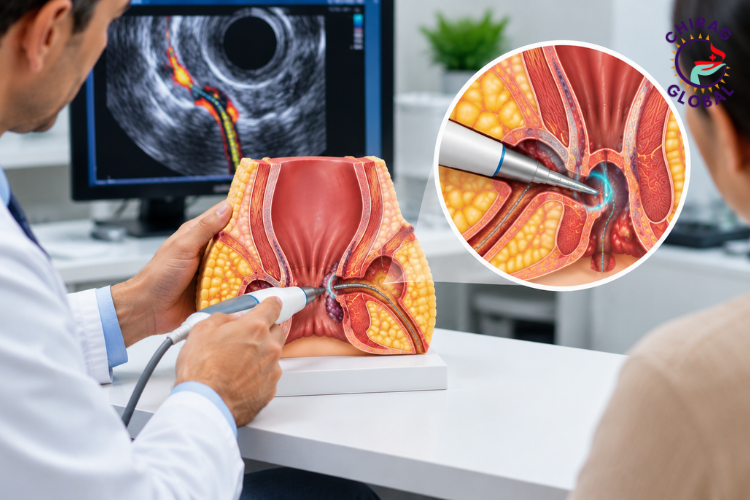
If a chronic fissure does not respond to medical treatment, a specialist may discuss options such as botulinum toxin injection or lateral internal sphincterotomy. Benefits and risks need to be considered individually because procedures involving the anal sphincter require careful patient selection.
If your anal fissure has not healed, keeps returning or is affecting your daily life, speak with the surgical team at Chirag Global Hospitals in Bangalore to understand whether further evaluation or treatment is appropriate.
Can you prevent an anal fissure from becoming a long-term problem?
Early attention to hard stools, constipation and repeated straining can reduce ongoing irritation. Avoid relying on over-the-counter treatments indefinitely if symptoms are not improving.
Helpful habits include regular soft bowel movements, adequate fluids, fibre-rich foods and avoiding unnecessary straining. If symptoms persist, an examination can confirm the diagnosis and identify whether additional treatment is needed.
The key takeaway
The main risk of leaving an anal fissure untreated is not that every fissure will become dangerous. The bigger concern is that a painful tear can become chronic and create a cycle of sphincter spasm, hard stools, straining and repeated reopening.
Persistent anal pain or rectal bleeding deserves attention, particularly when symptoms continue for weeks or keep returning. Early assessment can help confirm the cause, rule out other conditions and guide appropriate treatment.
Living with persistent anal fissure pain or bleeding? Visit Chirag Global Hospitals!
Frequently Asked Questions About Untreated Anal Fissures
What happens if an anal fissure is left untreated?
A fissure that does not heal can become chronic. Ongoing pain, internal sphincter spasm, constipation and fear of bowel movements can create a cycle that makes healing harder. A persistent or atypical fissure also deserves evaluation to rule out another cause.
Can an untreated anal fissure become chronic?
Yes. A fissure that persists for several weeks, particularly around six weeks or longer, is generally considered chronic. Chronic fissures may develop a sentinel skin tag or enlarged anal papilla.
Can an anal fissure cause serious complications?
Most fissures are not life-threatening. The main concern is persistent symptoms and failure to heal. Heavy bleeding, fever, pus, significant swelling or severe worsening pain are not typical and should be assessed promptly because they may indicate another condition or an infection.
Can an anal fissure cause constipation?
The fissure itself may not directly cause constipation, but pain can make a person delay bowel movements. Avoiding the toilet can make stools harder and increase straining, which can keep the fissure from healing.
Does an anal fissure heal on its own?
Some acute fissures do heal with measures that keep stools soft and reduce trauma. If symptoms continue, recur frequently or are severe, medical assessment is important rather than repeatedly waiting for them to settle.
When should I see a doctor for an anal fissure?
Seek medical advice when pain or bleeding persists, symptoms keep returning, bowel movements become difficult because of pain, or you are unsure whether the problem is actually a fissure. Seek urgent care for heavy bleeding, fever, pus, rapidly increasing swelling or severe pain.
Is surgery always needed for a chronic anal fissure?
No. Treatment depends on the fissure and the individual. Medical measures and prescription topical medicines are often tried first. Procedures such as botulinum toxin injection or lateral internal sphincterotomy may be considered for selected patients when conservative treatment does not work.