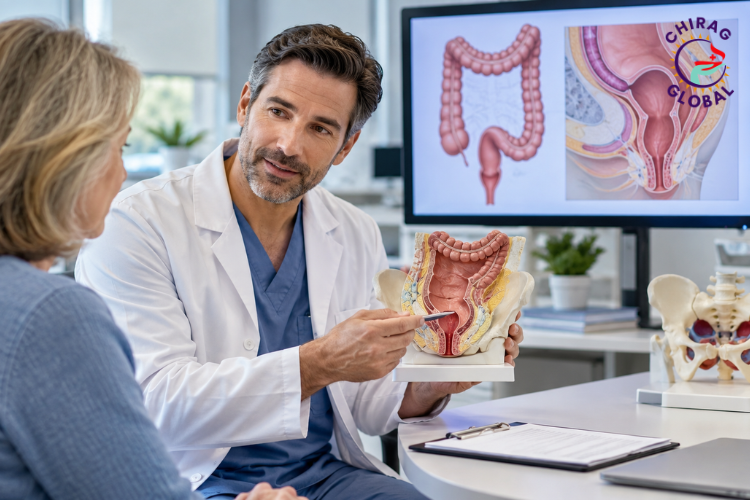

Rectal prolapse occurs when the rectum slips down through the anus, causing a visible bulge or a feeling that the bowel is coming out. It can also lead to mucus or bleeding, difficulty emptying the bowel, constipation, or leakage of stool. When the prolapse is full-thickness and surgery is recommended, the Altemeier procedure is one of the established operations doctors may consider.
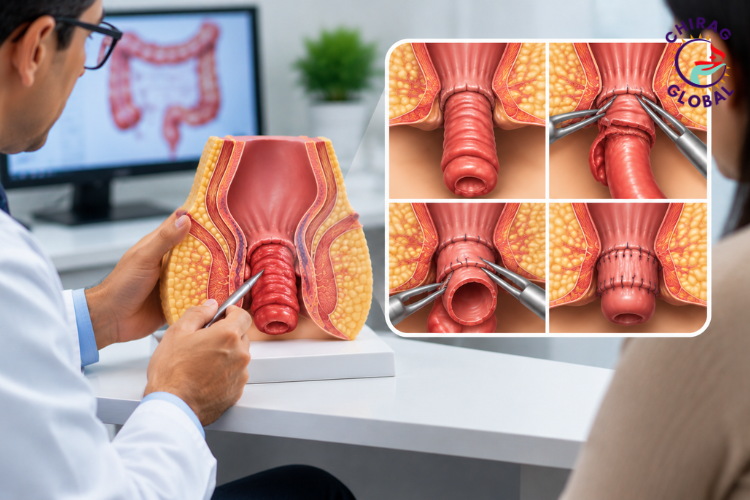
Also called perineal rectosigmoidectomy, the Altemeier procedure removes the prolapsed rectum and a portion of the sigmoid colon through the perineum, then joins the remaining colon to the anus. It avoids an abdominal incision and can be particularly useful when an abdominal operation may carry greater risk.
If you have a rectal bulge, difficulty passing stool, or bowel leakage, an assessment is important because treatment depends on the type and severity of prolapse and your overall health. Speak with a colorectal or general surgeon at Chirag Global Hospitals, Bangalore, for an evaluation and treatment discussion.
Experiencing symptoms of rectal prolapse? Seek a specialist evaluation to understand whether surgery is appropriate and which treatment approach may suit your condition.
Book a Consultation | Call 08065903127
What Is the Altemeier Procedure?
The Altemeier procedure is a perineal operation used mainly to treat full-thickness rectal prolapse. “Perineal” means the surgeon reaches the prolapsed bowel through the area around the anus rather than through the abdomen.
During a perineal rectosigmoidectomy, the surgeon:
- Identifies the prolapsed rectum.
- Brings the affected rectosigmoid segment out through the anus.
- Removes the prolapsed bowel segment.
- Connects the remaining colon to the anus, creating a coloanal anastomosis.
- May perform additional pelvic-floor repair, such as levatorplasty, in selected patients.
The exact technique depends on the anatomy of the prolapse, bowel function, medical history and the surgeon’s assessment.
Who May Benefit From an Altemeier Procedure?
The Altemeier procedure is commonly considered for people with full-thickness rectal prolapse when a perineal approach is appropriate. It may be especially attractive for older adults or people with medical conditions that make a larger abdominal operation less desirable.
However, age alone does not determine the best operation. A surgeon will consider:
- Whether the prolapse is full-thickness or another form of rectal prolapse.
- The length and characteristics of the prolapsed segment.
- Constipation, straining or obstructed defecation.
- Faecal incontinence or reduced bowel control.
- Previous abdominal or pelvic surgery.
- Overall fitness for anaesthesia and surgery.
- Other medical conditions and medications.
- The likelihood of recurrence and the goals of treatment.
For a healthy patient who is suitable for abdominal surgery, an abdominal rectopexy or another abdominal approach may also be considered. The decision should be individualised rather than based on one procedure being best for everyone.
How Is Rectal Prolapse Diagnosed?
Diagnosis usually starts with a medical history and physical examination. The surgeon may ask about a bulge from the anus, bowel movements, straining, constipation, mucus, bleeding and leakage.
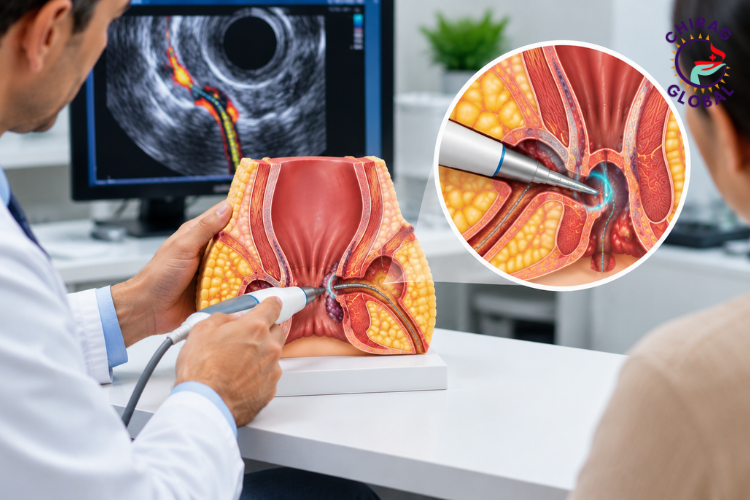
During examination, you may be asked to strain so the prolapse can be assessed. If the prolapse is not visible during the appointment, the doctor may use other tests when appropriate.
Depending on the symptoms and planned treatment, investigations may include:
- Colonoscopy: To assess the colon when indicated.
- Defecography: To evaluate how the rectum empties.
- Anorectal testing: When bowel control or pelvic-floor function needs further assessment.
- Imaging or other tests: When another condition needs to be excluded.
Not every patient needs every test. The work-up is tailored to the clinical situation.
How Is the Altemeier Procedure Performed?
The operation is performed through the perineal route. After anaesthesia is given, the surgeon exposes the prolapsed rectum and makes an incision around the prolapsed bowel.
The prolapsed rectosigmoid is then mobilised and removed. The healthy end of the colon is brought down and joined to the anal canal. In selected patients, the surgeon may also tighten or repair part of the pelvic floor.
The key idea is straightforward: remove the bowel that has prolapsed and restore continuity between the remaining colon and the anus.
The operation does not require the same type of abdominal access used for many abdominal rectopexy procedures. The choice of anaesthesia and the details of the operation depend on the patient and the surgical plan.
What Are the Benefits of the Altemeier Procedure?
One important advantage is that the operation can be performed through the perineum rather than through an abdominal incision.
Potential benefits include:
- No major abdominal incision.
- A potentially less demanding approach for selected higher-risk patients.
- Removal of the prolapsed bowel segment.
- Ability to address a full-thickness external prolapse directly.
- A surgical approach that may be appropriate for patients who are not ideal candidates for abdominal surgery.
These advantages need to be weighed against the possibility of recurrence and other surgical risks.
Considering rectal prolapse surgery? Discuss your symptoms, medical history and treatment options with a qualified surgeon before deciding which procedure is appropriate for you.
Altemeier Procedure vs Delorme Procedure
Both are perineal operations, but they are not identical.
The Delorme procedure generally involves removing the inner mucosal layer of the prolapsed rectum and folding or plicating the underlying muscle. It is often considered for shorter or selected rectal prolapse cases.
The Altemeier procedure involves full-thickness removal of the prolapsed rectosigmoid segment followed by a coloanal anastomosis. It is more commonly used for full-thickness external prolapse, particularly when a longer segment is involved.
The right choice depends on the prolapse, bowel function, medical fitness and surgeon assessment.
What Are the Risks of the Altemeier Procedure?
Like any operation, perineal rectosigmoidectomy has potential risks. These can include:
- Bleeding.
- Infection.
- Anastomotic leak or other problems at the bowel join.
- Temporary changes in bowel frequency or urgency.
- Constipation or difficulty with bowel movements.
- Worsening or persistent faecal incontinence.
- Narrowing at the anastomosis.
- Recurrence of rectal prolapse.
- Risks related to anaesthesia or existing medical conditions.
Recurrence is an important consideration. Perineal procedures can have a higher recurrence risk than some abdominal approaches in certain patient groups, although outcomes vary according to patient factors, surgical technique and follow-up.
Your surgeon should explain the expected benefits and risks in your particular case rather than relying on general recurrence statistics alone.
Recovery After Altemeier Surgery
Recovery varies from person to person. Your surgical team will provide instructions based on the operation and your health.
After surgery, you may be advised to:
- Gradually return to eating and drinking as tolerated.
- Keep bowel movements soft and avoid excessive straining.
- Take prescribed pain relief and other medicines as directed.
- Keep the surgical area clean according to the care instructions.
- Avoid heavy lifting until your surgeon says it is safe.
- Attend follow-up appointments to assess healing and bowel function.
Seek prompt medical attention for heavy bleeding, increasing abdominal or pelvic pain, fever, persistent vomiting, difficulty passing stool or gas, worsening swelling, or other symptoms that concern you.
Can Rectal Prolapse Come Back After an Altemeier Procedure?
Yes. Rectal prolapse can recur after surgery, and no procedure can guarantee that it will not return.
The risk is influenced by factors such as pelvic-floor weakness, constipation and straining, the characteristics of the original prolapse, surgical technique and individual health factors.
Following postoperative instructions and addressing bowel habits can support recovery, but they cannot completely eliminate recurrence.
If a prolapse returns, it does not necessarily mean the previous surgery was unsuccessful. A surgeon can reassess the anatomy and discuss the most appropriate next step.
Choosing the Right Rectal Prolapse Surgery
There is no single rectal prolapse operation that suits every patient. Broadly, treatment options may include:
- Altemeier procedure: A perineal rectosigmoidectomy, often considered for full-thickness external prolapse.
- Delorme procedure: A perineal mucosal sleeve resection with muscle plication, used in selected prolapse cases.
- Abdominal rectopexy procedures: Operations that approach the rectum through the abdomen and secure it in position, with the exact technique varying by patient and surgeon.
A good surgical decision considers both the prolapse and the person. Someone who is medically frail may benefit from avoiding an abdominal operation, while a medically fit patient may have different options.
If rectal prolapse is affecting bowel movements, continence or daily life, discussing the available surgical approaches with a specialist can help you understand the trade-offs before making a decision.
Visit Chirag Global Hospitals!
FAQs
What is the Altemeier procedure?
The Altemeier procedure is a perineal rectosigmoidectomy used mainly to treat full-thickness rectal prolapse. The surgeon removes the prolapsed rectosigmoid segment and joins the remaining colon to the anus.
Who is a candidate for the Altemeier procedure?
People with full-thickness rectal prolapse may be candidates. It can be particularly useful for selected older or higher-risk patients for whom an abdominal operation may be less suitable. The final decision depends on individual health and prolapse characteristics.
Is the Altemeier procedure the same as rectal prolapse surgery?
The Altemeier procedure is one type of rectal prolapse surgery. Other approaches include the Delorme procedure and abdominal rectopexy. The appropriate operation depends on the patient’s condition and surgical assessment.
What is the recovery time after an Altemeier procedure?
Recovery varies depending on the patient’s overall health, the extent of surgery and postoperative progress. Your surgeon will provide individual guidance on diet, activity, bowel movements and follow-up.
What are the risks of the Altemeier procedure?
Possible risks include bleeding, infection, problems at the bowel join, bowel-function changes, faecal incontinence and recurrence of rectal prolapse. The individual risk should be discussed with the treating surgeon.
Can rectal prolapse recur after Altemeier surgery?
Yes. Rectal prolapse can return after an Altemeier procedure. Recurrence depends on several factors, including the patient’s anatomy, pelvic-floor function, bowel habits and surgical factors.
What is the difference between Altemeier and Delorme procedures?
The Altemeier procedure removes the full thickness of the prolapsed rectosigmoid segment and creates a coloanal anastomosis. The Delorme procedure primarily removes the prolapsed mucosal layer and plicates the underlying muscle.