

Problems involving the anus and rectum can be uncomfortable to discuss, but symptoms such as rectal bleeding, anal pain, persistent itching, difficulty passing stool, or a lump around the anus should not always be ignored. These symptoms can result from common conditions such as hemorrhoids or anal fissures, but they may also be associated with conditions requiring specialist evaluation.
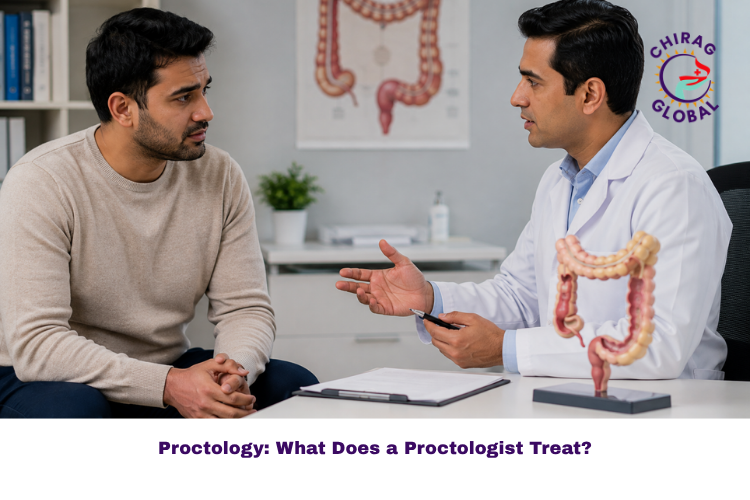
Proctology is the area of medical care concerned with disorders affecting the anus, rectum, and the lower part of the digestive tract. A proctologist is a doctor who evaluates and treats conditions affecting this region.
People often associate proctology only with piles. However, proctology covers a much wider range of problems, including anal fissures, fistulas, abscesses, rectal prolapse, pilonidal disease, bowel-control problems, and other anorectal disorders.
At Chirag Global Hospitals, Bangalorehttps://www.chiragglobalhospitals.com/, patients with anorectal symptoms can receive specialist evaluation to identify the underlying condition and determine an appropriate treatment approach.
Book a Consultation | Call 08065903127
What Is Proctology?
Proctology is the medical field focused on conditions affecting the anus, rectum, and related parts of the lower gastrointestinal tract.
The area can be affected by several problems involving:
- Blood vessels
- Skin
- Muscles
- Nerves
- Rectal tissue
- Anal canal
- Bowel function
Some conditions may be minor and respond to conservative treatment, while others may require medications, procedures, or surgery.
Proctology care therefore involves more than simply treating piles. It includes diagnosing the cause of symptoms and choosing treatment based on the specific condition.
Who Is a Proctologist?
A proctologist is a specialist who evaluates and manages diseases involving the anus and rectum.
Depending on the healthcare system and the doctor’s training, proctology may be practiced within colorectal surgery or related surgical specialties.
A proctologist may manage conditions using:
- Lifestyle and dietary measures
- Medications
- Office-based procedures
- Minimally invasive treatments
- Surgical procedures when necessary
The appropriate treatment depends on the diagnosis, severity, symptoms, and overall health of the patient.
What Does a Proctologist Treat?
A proctologist can evaluate a broad range of anorectal problems.
Some of the more common conditions include:
1. Hemorrhoids or Piles
Hemorrhoids are swollen vascular structures around the anal canal.
They may cause:
- Bright-red rectal bleeding
- Itching
- Irritation
- Swelling
- A lump around the anus
- Prolapse
- Discomfort during bowel movements
Treatment depends on the type and severity of hemorrhoids.
2. Anal Fissure
An anal fissure is a tear in the lining of the anal canal.
Typical symptoms include:
- Sharp pain while passing stool
- Burning pain after bowel movements
- Bright-red bleeding
- Anal muscle spasm
- Fear of passing stool because of pain
A proctologist can determine whether the fissure is acute or chronic and recommend appropriate management.
3. Anal Fistula
An anal fistula is an abnormal tunnel that can develop between the anal canal or rectum and the skin near the anus.
It may develop following an anal abscess.
Possible symptoms include:
- Recurrent swelling
- Pus or fluid discharge
- Skin irritation
- Pain
- A small opening near the anus
- Repeated abscess formation
Anal fistulas often require specialist evaluation because the treatment depends on the fistula’s location and relationship to the anal sphincter muscles.
4. Anal Abscess
An anal or perianal abscess is a collection of pus caused by an infection.
Symptoms may include:
- Severe anal pain
- Swelling
- Tenderness
- Redness
- Fever
- Pus formation
An abscess may require drainage, and delaying treatment can allow the infection to worsen.
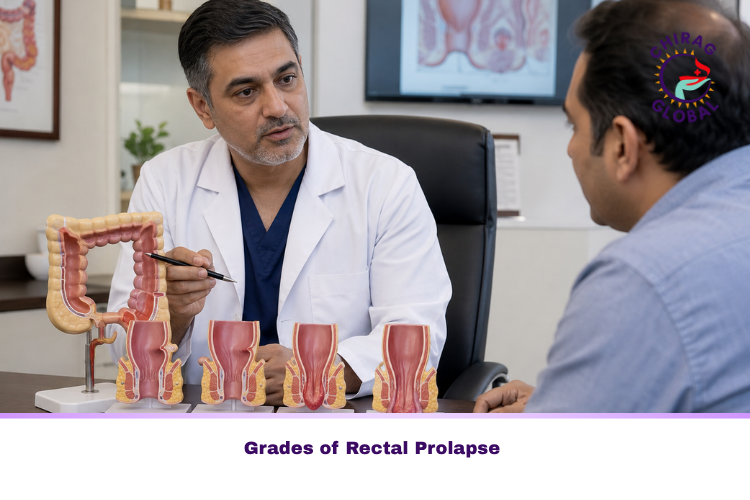
5. Rectal Prolapse
Rectal prolapse occurs when part of the rectum protrudes through the anal opening.
It may cause:
- A visible mass
- Difficulty controlling bowel movements
- Mucus discharge
- A sensation of incomplete evacuation
- Difficulty passing stool
- Rectal discomfort
Treatment depends on the severity and the patient’s individual circumstances.
6. Pilonidal Sinus
Pilonidal disease usually affects the cleft between the buttocks, near the tailbone.
It can cause:
- Painful swelling
- Recurrent infection
- Pus or blood discharge
- A small opening or pit in the skin
Although pilonidal disease is not strictly an anal condition, it is commonly evaluated and treated within colorectal and proctology services.
7. Anal Skin Tags
Anal skin tags are small folds or projections of excess skin around the anus.
They may develop following:
- Previous hemorrhoids
- Chronic anal fissures
- Inflammation
- Repeated irritation
Most do not require treatment unless they cause persistent irritation, hygiene problems, or discomfort.
8. Fecal Incontinence
Fecal incontinence means difficulty controlling bowel movements or accidental leakage of stool.
Possible contributing factors include:
- Anal sphincter injury
- Nerve problems
- Previous anorectal surgery
- Chronic diarrhea
- Rectal conditions
- Pelvic floor dysfunction
A specialist can assess the underlying cause and determine appropriate management.
9. Chronic Constipation
Persistent constipation can involve:
- Hard stools
- Infrequent bowel movements
- Excessive straining
- A sensation of incomplete bowel emptying
- Difficulty passing stool
A proctologist may evaluate constipation when symptoms are persistent, severe, associated with anorectal problems, or not improving with routine measures.
10. Anal and Rectal Bleeding
Rectal bleeding should not automatically be attributed to piles.
Possible causes include:
- Hemorrhoids
- Anal fissures
- Polyps
- Inflammatory bowel conditions
- Diverticular disease
- Other colorectal disorders
A proctologist can evaluate the symptoms and determine whether further investigation is necessary.
When Should You See a Proctologist for Piles?
You may benefit from specialist assessment if piles:
- Keep bleeding
- Frequently prolapse
- Cause persistent discomfort
- Become difficult to manage with lifestyle measures
- Interfere with daily activities
- Keep returning
- Are associated with significant pain or swelling
A proctologist can determine the grade and type of hemorrhoid and explain suitable treatment options.
What Treatments Does Proctology Offer?
Treatment depends entirely on the condition.
Conservative Treatment
Some problems may improve with:
- Dietary changes
- Increased fibre when appropriate
- Adequate fluid intake
- Regular physical activity
- Improved bowel habits
- Avoiding excessive straining
Medications
Certain conditions may require prescription or over-the-counter medicines under medical guidance.
Minimally Invasive Procedures
Selected anorectal conditions may be treated using procedures performed without major surgery.
Examples can include certain treatments for internal hemorrhoids.
Surgery
Some conditions require surgery, particularly when conservative or minimally invasive approaches are unlikely to provide adequate treatment.
Examples may include selected cases of:
- Advanced hemorrhoids
- Anal fistula
- Rectal prolapse
- Complicated pilonidal disease
Is Proctology Only for Surgical Problems?
No.
Seeing a proctologist does not automatically mean that you will need surgery.
Many anorectal conditions can initially be managed through:
- Diet
- Bowel habit changes
- Medications
- Observation
- Local treatments
- Non-surgical procedures
Surgery is considered only when clinically appropriate.
The purpose of a specialist consultation is to identify the condition and determine the most suitable treatment.
Proctology Care at Chirag Global Hospitals, Bangalore
At Chirag Global Hospitals, Bangalore, proctology care focuses on evaluating and managing conditions involving the anus, rectum, and lower gastrointestinal tract.
Patients experiencing symptoms such as piles, anal fissures, anal fistulas, abscesses, rectal prolapse, persistent constipation, rectal bleeding, or other anorectal concerns can undergo specialist assessment.
Treatment is selected according to the patient’s diagnosis and individual needs. Depending on the condition, management may involve conservative measures, medication, minimally invasive procedures, or surgery.
The aim is to identify the underlying problem rather than treating symptoms without establishing their cause.
Conclusion
Proctology covers the diagnosis and treatment of conditions affecting the anus and rectum, while a proctologist specialises in evaluating these problems.
Although piles are among the conditions commonly associated with proctology, specialist care also covers anal fissures, fistulas, abscesses, rectal prolapse, pilonidal disease, bowel-control problems, persistent constipation, and other anorectal disorders.
Persistent bleeding, anal pain, recurrent swelling, discharge, difficulty passing stool, or changes around the anus should not be ignored. Getting the cause evaluated can help determine whether simple conservative care is sufficient or whether a procedure or other treatment is required.
At Chirag Global Hospitals, Bangalore, patients can consult colorectal specialists for evaluation and management of a wide range of anorectal conditions.
Visit Chirag Global Hospitals Today!
Frequently Asked Questions
What is proctology?
Proctology is the area of medical care concerned with disorders affecting the anus, rectum, and related lower gastrointestinal structures.
What is a proctologist?
A proctologist is a doctor who evaluates and treats conditions affecting the anus and rectum, including hemorrhoids, anal fissures, fistulas, abscesses, and rectal prolapse.
What does a proctologist treat?
A proctologist can treat or evaluate conditions such as piles, anal fissures, anal fistulas, perianal abscesses, rectal prolapse, pilonidal disease, anal skin tags, bowel-control problems, and certain causes of rectal bleeding and constipation.
Should I see a proctologist for piles?
You should consider specialist evaluation if piles are repeatedly bleeding, prolapsing, painful, recurrent, or not improving with appropriate conservative measures.
Can a proctologist treat an anal fissure?
Yes. A proctologist can assess an anal fissure and determine whether dietary changes, medications, procedures, or surgery may be appropriate.
When should I see a proctologist for rectal bleeding?
Persistent, recurrent, heavy, or unexplained rectal bleeding should be medically evaluated rather than automatically attributed to hemorrhoids.
Does seeing a proctologist mean I need surgery?
No. Many anorectal conditions can be managed without surgery. Treatment depends on the specific diagnosis and severity.
Is proctology only for older adults?
No. Anorectal conditions can affect people of different ages. The appropriate time to seek specialist care depends on symptoms and the underlying condition rather than age alone.