
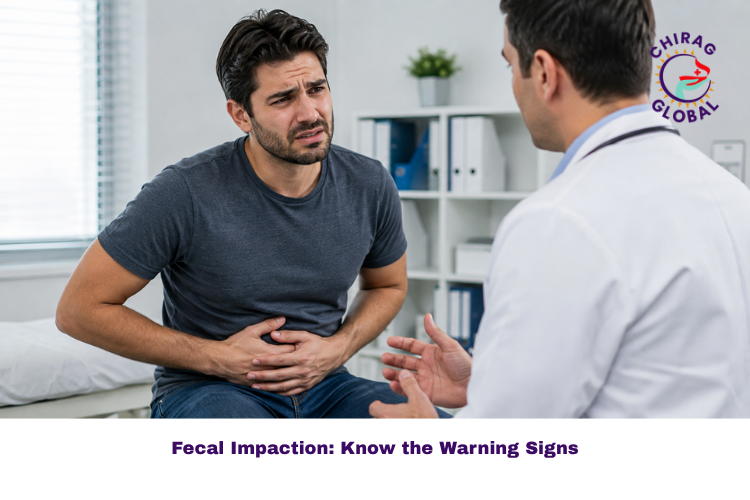
Constipation is a common digestive problem, but when stool becomes severely hardened and cannot be passed naturally, it can develop into fecal impaction—a condition that requires prompt medical attention. Unlike occasional constipation, fecal impaction occurs when a large mass of dry, impacted stool becomes lodged in the rectum or colon, making bowel movements extremely difficult or even impossible. If left untreated, it can lead to serious complications such as bowel obstruction, rectal injury, infection, and, in rare cases, life-threatening emergencies.
At Chirag Global Hospitals, Bangalore, experienced colorectal specialists regularly diagnose and treat fecal impaction by identifying the underlying cause and providing timely, evidence-based care. Recognizing the warning signs early and seeking appropriate treatment can help relieve symptoms, prevent complications, and restore healthy bowel function.
In this article, you’ll learn what fecal impaction is, why it happens, its symptoms, how it differs from constipation, available treatment options, potential complications, and practical steps to help prevent it from recurring.
Book a Consultation | Call 08065903127
What Is Fecal Impaction?
Fecal impaction occurs when a large, dry, hardened mass of stool becomes stuck in the rectum or colon, making it difficult or impossible to pass naturally. As more stool accumulates behind the blockage, pressure builds inside the bowel, leading to discomfort and potentially serious complications.
Although it can affect people of any age, fecal impaction is more common among:
- Older adults
- People with chronic constipation
- Individuals with limited mobility
- Patients taking certain medications
- People with neurological disorders
How Is Fecal Impaction Different from Constipation?
Many people confuse constipation with fecal impaction, but they are not the same.
| Constipation | Fecal Impaction |
| Infrequent bowel movements | Hardened stool completely blocks passage |
| Usually improves with diet or laxatives | Often requires medical treatment |
| Mild discomfort | Severe pain, abdominal swelling, and inability to pass stool |
| Temporary | Can become a medical emergency if untreated |
Fecal impaction is often the result of long-standing or untreated constipation.
What Causes Fecal Impaction?
Several factors increase the risk of developing fecal impaction.
Chronic Constipation
The most common cause is constipation that persists for weeks or months, allowing stool to become increasingly dry and hard.
Low-Fibre Diet
Insufficient dietary fibre reduces stool bulk and slows bowel movement.
Dehydration
Without enough water, stool loses moisture and becomes difficult to pass.
Lack of Physical Activity
Reduced movement slows intestinal motility, increasing the risk of stool retention.
Certain Medications
Some medicines may contribute to constipation, including:
- Opioid pain medications
- Iron supplements
- Certain antidepressants
- Calcium channel blockers
- Some antacids containing calcium or aluminium
Always consult your healthcare provider before stopping any prescribed medication.
Neurological Disorders
Conditions affecting the nerves that control bowel function may increase the risk, such as:
- Parkinson’s disease
- Stroke
- Multiple sclerosis
- Spinal cord injuries
Ignoring the Urge to Pass Stool
Regularly delaying bowel movements allows stool to remain in the colon longer, where more water is absorbed, making it harder.
Symptoms of Fecal Impaction
Symptoms can develop gradually and may worsen over time.
Common signs include:
- Inability to pass stool
- Severe constipation
- Abdominal pain or cramping
- Bloating
- Feeling of fullness in the rectum
- Straining without success
- Rectal pain
- Loss of appetite
- Nausea or vomiting
Some people may also experience overflow diarrhoea, where loose stool leaks around the impacted stool. This is often mistaken for diarrhoea but actually indicates a blockage.
Warning Signs That Need Immediate Medical Attention
Seek prompt medical evaluation if you experience:
- Severe abdominal pain
- Persistent vomiting
- Fever
- Blood in the stool
- Severe rectal pain
- Abdominal swelling
- Inability to pass stool or gas
- Confusion (especially in older adults)
These symptoms may indicate complications requiring urgent treatment.
How Is Fecal Impaction Treated?
Treatment depends on where the stool is located and how severe the blockage is.
Manual Removal
If the stool is lodged in the rectum, a healthcare professional may gently remove it manually.
Enemas
Medicated enemas help soften stool and stimulate bowel evacuation.
Oral Laxatives
Certain laxatives may be recommended once the blockage begins to loosen.
These should only be used under medical supervision if fecal impaction is suspected.
Colon Cleansing
In some cases, bowel cleansing solutions are used to clear the colon.
Surgery
Surgery is rarely needed but may be required if complications such as bowel perforation or obstruction occur.
What Happens If Fecal Impaction Is Left Untreated?
Ignoring fecal impaction can lead to serious health problems.
Possible complications include:
- Bowel obstruction
- Rectal ulcers
- Bleeding
- Anal fissures
- Hemorrhoids
- Fecal incontinence
- Colon perforation
- Infection
- Sepsis (rare but life-threatening)
Early treatment significantly reduces these risks.
Recovery After Treatment
Most people experience relief soon after the impacted stool is removed.
Recovery also involves treating the underlying cause to prevent recurrence.
Your healthcare provider may recommend:
- Increasing dietary fibre
- Drinking more water
- Regular exercise
- Scheduled bowel habits
- Appropriate stool softeners if needed
Conclusion
Fecal impaction is a serious condition that occurs when hardened stool becomes lodged in the rectum or colon, preventing normal bowel movements. Unlike ordinary constipation, it often requires medical treatment and should never be ignored. Symptoms such as severe constipation, abdominal pain, rectal discomfort, overflow diarrhea, or the inability to pass stool should prompt timely evaluation to prevent complications like bowel obstruction, infection, or colon injury.
At Chirag Global Hospitals, Bangalore, experienced colorectal specialists diagnose and treat fecal impaction using a personalized approach aimed at safely relieving the blockage, addressing the underlying cause, and preventing future episodes. If you or a loved one experiences persistent constipation or signs of impacted stool, seeking early medical attention can help restore bowel health and reduce the risk of serious complications.
Visit Chirag Global Hospitals Today!
Frequently Asked Questions
Is fecal impaction an emergency?
It can become one if it causes bowel obstruction, severe pain, vomiting, fever, or inability to pass stool or gas. Prompt medical evaluation is recommended.
Can laxatives cure fecal impaction?
Not always. Using laxatives without medical advice may worsen symptoms if there is a complete blockage. Treatment depends on the location and severity of the impaction.
How long does recovery take?
Many people improve within a few days after treatment, although ongoing bowel management is important to prevent recurrence.
Can fecal impaction come back?
Yes. Without addressing chronic constipation or other underlying causes, fecal impaction may recur.
Can drinking water alone remove impacted stool?
Water helps prevent constipation but is usually not enough to treat established fecal impaction.