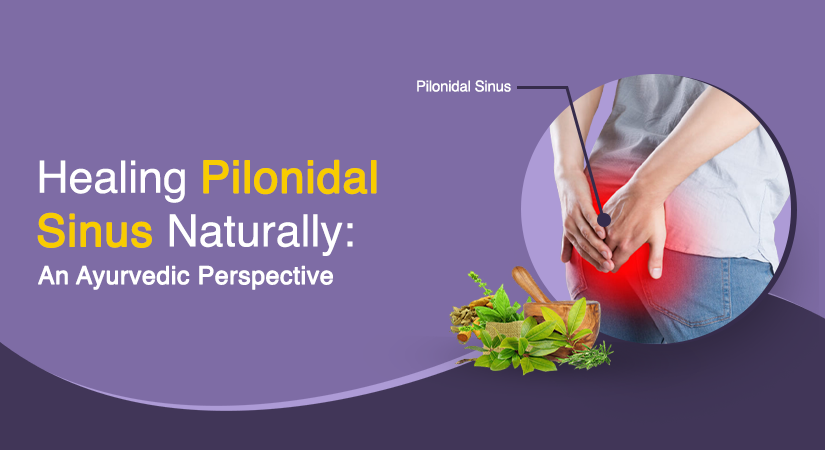

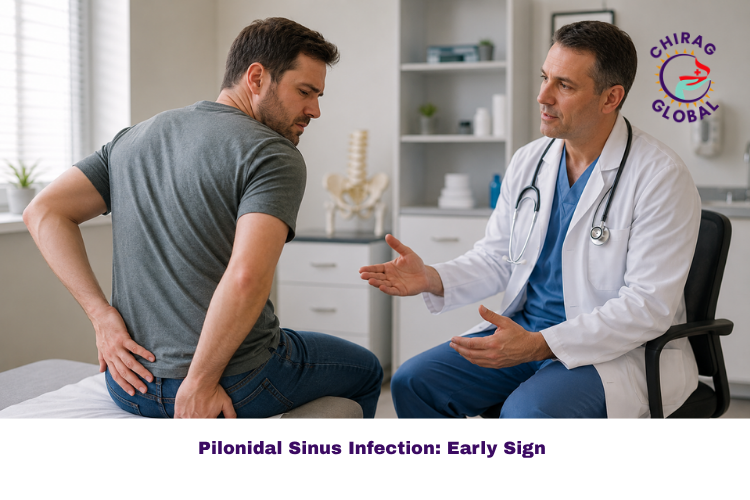
A pilonidal sinus is a small tunnel or cavity that develops beneath the skin, usually in the crease between the buttocks near the tailbone. While some people may have a pilonidal sinus without symptoms, it can become infected when hair, dead skin cells, and bacteria accumulate inside the tract. Once infected, the condition can become painful and interfere with daily activities such as sitting, walking, or exercising.
At Chirag Global Hospitals, Bangalore, colorectal specialists frequently treat patients with pilonidal sinus infection, helping them receive timely diagnosis and appropriate care before the condition progresses. Recognizing the early warning signs can reduce the risk of recurrent infections and more complex treatment.
This article explains the common signs of a pilonidal sinus infection, why they occur, and when it is important to seek medical attention.
Book a Consultation | Call 08065903127
What Is a Pilonidal Sinus Infection?
A pilonidal sinus infection occurs when bacteria infect the pilonidal sinus, leading to inflammation and the formation of pus. This often results in a painful swelling or abscess near the tailbone.
The infection may develop suddenly or progress gradually over time. Without treatment, symptoms can become more severe and may recur repeatedly.
Why Does a Pilonidal Sinus Become Infected?
Several factors can contribute to a pilonidal sinus infection, including:
- Hair becoming trapped beneath the skin
- Friction between the buttocks
- Prolonged sitting
- Excessive sweating
- Poor hygiene
- Repeated pressure on the tailbone area
These factors can allow bacteria to multiply, leading to infection and inflammation.
Signs of a Pilonidal Sinus Infection You Shouldn’t Ignore
1. Pain Near the Tailbone
Pain is often the earliest sign of a pilonidal sinus infection.
Initially, the discomfort may be mild, but it often becomes more intense as the infection progresses.
You may notice pain while:
- Sitting for long periods
- Standing up from a chair
- Walking
- Climbing stairs
- Driving
The pain may become constant if an abscess develops.
2. Swelling Between the Buttocks
A painful lump or swelling near the tailbone is one of the most common signs of infection.
The swelling may:
- Increase in size over a few days
- Feel warm to the touch
- Become tender
- Make sitting uncomfortable
As pressure builds inside the infected area, the swelling usually becomes more painful.
3. Redness Around the Affected Area
Inflammation caused by infection often leads to redness of the surrounding skin.
You may notice:
- Red or pink skin
- Increased warmth
- Tenderness
- Skin that appears stretched due to swelling
Redness spreading beyond the lump may indicate that the infection is becoming more severe.
4. Pus or Foul-Smelling Discharge
One of the clearest signs of a pilonidal sinus infection is drainage from the sinus opening.
The discharge may be:
- Yellow or white pus
- Blood-stained fluid
- Thick discharge
- Foul-smelling fluid
Although drainage may temporarily reduce pressure and pain, it does not mean the infection has resolved.
5. A Small Opening or Pit in the Skin
Many pilonidal sinuses appear as tiny pits or openings in the skin near the tailbone.
These openings may:
- Drain fluid
- Become blocked
- Reopen repeatedly
- Leak intermittently
Because they are small, they often go unnoticed until infection develops.
6. Fever and Chills
If the infection spreads beyond the local area, you may develop symptoms such as:
- Fever
- Chills
- Body aches
- Fatigue
These symptoms suggest that your immune system is responding to the infection and should not be ignored.
7. Difficulty Sitting Comfortably
As swelling increases, everyday activities become uncomfortable.
Many patients experience:
- Pain while sitting
- Difficulty driving
- Discomfort at work
- Interrupted sleep due to pressure on the affected area
If sitting becomes increasingly painful, medical evaluation is recommended.
8. Recurring Pain and Swelling
Some people experience repeated episodes where the swelling improves and then returns weeks or months later.
Recurring symptoms may include:
- Repeated abscess formation
- Intermittent drainage
- Persistent tenderness
- Recurrent swelling
Repeated infections usually indicate that the underlying sinus remains untreated.
9. Skin That Feels Warm to the Touch
An infected pilonidal sinus often causes localized warmth because of increased blood flow to the inflamed area.
Warmth combined with pain and swelling is a common sign of infection.
10. Persistent Discomfort That Doesn’t Improve
If pain, swelling, or drainage continues despite home care, it may indicate an ongoing infection requiring medical treatment.
Symptoms that persist for several days or repeatedly return should not be ignored.
Who Is More Likely to Develop a Pilonidal Sinus Infection?
Although anyone can develop this condition, certain factors increase the risk, including:
- Prolonged sitting
- Excess body hair
- Repeated friction near the tailbone
- Obesity
- Excessive sweating
- Poor hygiene
- Family history of pilonidal disease
People who spend long hours sitting, such as office workers, drivers, and students, may be at greater risk.
Can a Pilonidal Sinus Infection Heal on Its Own?
A mild infection may occasionally drain on its own, providing temporary relief. However, this does not remove the underlying sinus tract.
Without appropriate treatment:
- Infection may return
- Additional abscesses may form
- Chronic drainage may continue
- The condition may become more difficult to treat
Medical evaluation is recommended if symptoms persist or recur.
Can Pilonidal Sinus Infections Be Prevented?
Although not every case can be prevented, these measures may help reduce the risk of infection:
- Maintain good hygiene around the tailbone area.
- Keep the area clean and dry.
- Remove excess hair if recommended by your doctor.
- Avoid prolonged sitting whenever possible.
- Take breaks to walk and stretch during long periods of sitting.
- Wear comfortable clothing that reduces friction.
These habits may lower the chance of recurrent irritation and infection.
Conclusion
A pilonidal sinus infection often begins with mild discomfort but can quickly progress to painful swelling, pus discharge, and recurrent infections if left untreated. Warning signs such as pain near the tailbone, redness, warmth, foul-smelling drainage, fever, and difficulty sitting should never be ignored. Early diagnosis and timely treatment can help prevent complications and reduce the risk of recurrence.
If you are experiencing symptoms of a pilonidal sinus infection, consulting the colorectal specialists at Chirag Global Hospitals, Bangalore, can help ensure an accurate diagnosis and appropriate treatment, allowing you to recover comfortably and return to your daily routine.
Visit Chirag Global Hospitals Today!
Frequently Asked Questions
Is a pilonidal sinus infection serious?
It can become serious if left untreated. The infection may lead to recurrent abscesses, persistent drainage, and chronic discomfort.
Can a pilonidal sinus infection come back?
Yes. If the underlying sinus tract is not treated, recurrent infections are common.
Is every painful lump near the tailbone a pilonidal sinus?
No. Other conditions can also cause swelling near the tailbone, so a medical evaluation is needed for an accurate diagnosis.
Does pus always mean the infection is healing?
No. Drainage may reduce pressure temporarily, but the infection and sinus tract may still remain.