
Acute vs Chronic Anal Fissure is a common concern among patients in Bangalore who experience sharp anal pain, bleeding, or discomfort during bowel movements. While fissures may sound minor, ignoring the difference between an acute fissure and a chronic fissure can lead to prolonged pain, infection, and complications requiring advanced care.
At Chirag Global Hospitals, recognized as the Best Colo – Rectal Hospital of India, patients across Bangalore receive expert diagnosis and personalized treatment for both acute and chronic anal fissures using evidence-based colorectal care.
If you’re experiencing anal pain or bleeding, don’t ignore it. Book a consultation with a colorectal specialist at Chirag Global Hospitals in Bangalore today.
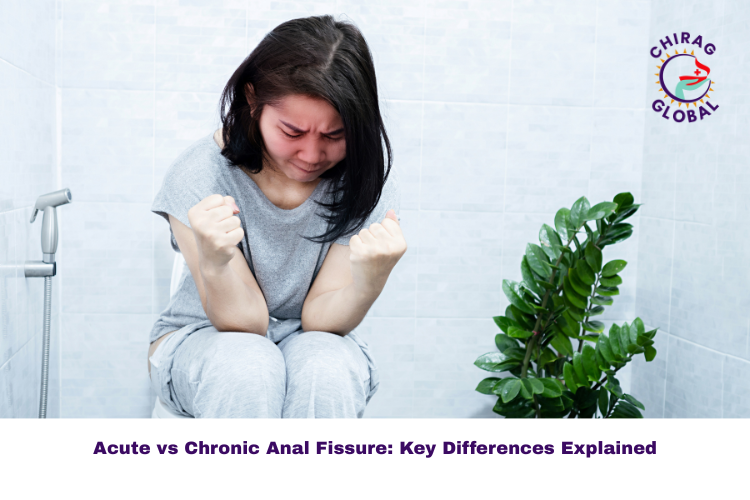
Acute vs Chronic Anal Fissure: Key Differences
What Is an Acute Fissure?
An acute fissure is a recent tear that typically lasts less than 6 weeks. It often heals on its own with conservative treatment.
Common features of an acute fissure:
- Sudden sharp pain during bowel movements
- Fresh red blood on toilet paper
- Burning sensation after passing stool
- No visible scar tissue
In Bangalore’s fast-paced lifestyle, dehydration, poor fiber intake, and stress commonly contribute to acute fissures.
What Is a Chronic Fissure?
A chronic fissure persists for more than 6 weeks and shows structural changes in the anal lining.
Signs of a chronic fissure include:
- Persistent or recurring pain
- Thickened fissure edges
- Skin tag (sentinel pile) near the anus
- Muscle spasm of the anal sphincter
Chronic fissures rarely heal without medical intervention and often require specialized colorectal treatment.
Acute vs Chronic Anal Fissure: Causes Explained
Causes of Acute Anal Fissure
- Constipation
- Hard or large stools
- Dehydration (common in Bangalore’s climate)
- Poor dietary fiber intake
- Sudden diarrhea
Causes of Chronic Anal Fissure
- Untreated acute fissure
- Repeated constipation
- Anal sphincter muscle spasm
- Underlying conditions like IBS
- Delay in seeking specialist care
Symptoms Comparison: Acute vs Chronic Anal Fissure
| Symptom | Acute Fissure | Chronic Fissure |
| Duration | < 6 weeks | > 6 weeks |
| Pain | Sharp, intense | Persistent, throbbing |
| Bleeding | Mild | Recurrent |
| Healing | Often self-heals | Needs treatment |
| Surgery | Rare | Sometimes required |
Diagnosis at Chirag Global Hospitals, Bangalore
At Chirag Global Hospitals, one of Bangalore’s leading colorectal hospitals located in Bangalore, diagnosis is quick, private, and patient-friendly.
Our evaluation includes:
- Detailed symptom assessment
- Gentle visual examination
- Pain-free diagnostic techniques
- Identification of acute fissure vs chronic fissure
Our colorectal specialists ensure patient comfort and dignity throughout the process.
Treatment Options for Acute vs Chronic Anal Fissure
Treatment for Acute Fissure
Most acute fissures respond well to non-surgical care:
- High-fiber diet plans tailored for Bangalore patients
- Stool softeners
- Sitz baths
- Medicated ointments
- Lifestyle counseling
Early treatment prevents progression from acute fissure to chronic fissure.
Treatment for Chronic Fissure
Chronic fissures often need advanced intervention:
- Specialized topical therapies
- Botulinum toxin injections
- Minimally invasive fissure surgery
- Lateral internal sphincterotomy (if required)
At Chirag Global Hospitals, treatments are designed for minimal pain, faster recovery, and long-term relief.
Recovery & Follow-Up Care
Whether acute or chronic, recovery depends on:
- Following dietary advice
- Proper hydration
- Regular follow-ups
- Lifestyle modifications
Chirag Global Hospitals offers structured follow-up programs to prevent recurrence, especially for chronic fissure patients.
FAQs – Acute vs Chronic Anal Fissure
1. Is acute fissure very painful?
Yes, an acute fissure can cause sharp pain during bowel movements, but it usually heals with early treatment.
2. How do I know if my fissure is chronic?
If symptoms last more than 6 weeks or keep recurring, it is likely a chronic fissure and needs specialist care.
3. Is treatment painful at Chirag Global Hospitals?
No. Treatments are designed to be minimally painful with patient comfort as a top priority.
4. Do I need surgery for chronic fissure?
Not always. Many chronic fissures respond to advanced non-surgical treatments. Surgery is considered only if needed.
5. How soon can I recover after treatment?
Most patients resume normal activities within days, especially with minimally invasive treatments.