
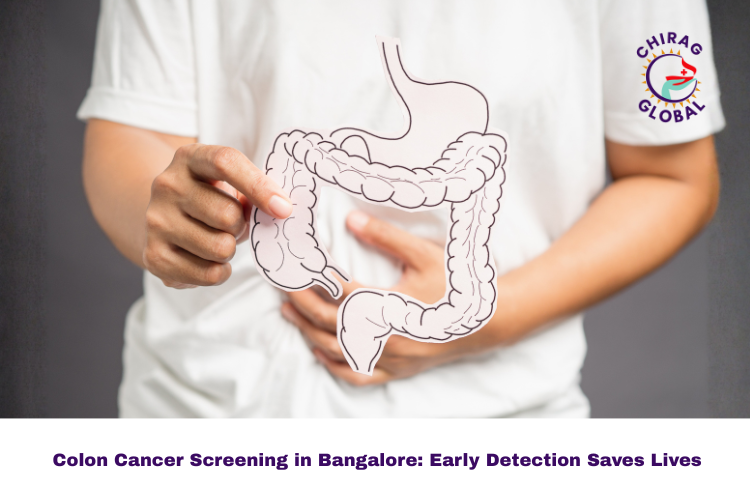
Colon cancer is one of the few cancers that can be detected and prevented early — but only if people take screening seriously. With rising digestive health issues, changing food habits, and increased stress levels, more individuals now require timely colon cancer screening in Bangalore to stay ahead of potential risks. Chirag Global Hospitals, a trusted name in advanced colorectal care, provides comprehensive screening options that help identify early changes in the colon long before symptoms appear.
Schedule your colon cancer screening at Chirag Global Hospitals today for safe, accurate, and early detection.
Why Colon Cancer Screening Should Not Be Delayed
Colon cancer usually develops slowly, starting as harmless polyps that can gradually turn cancerous over many years. Without screening, these changes often remain unnoticed because early colon cancer rarely causes pain or visible symptoms.
Delaying screening can result in:
- Detecting cancer at later stages
- More aggressive treatment needs
- Higher medical costs
- Reduced treatment success rates
Regular colon cancer screening in Bangalore helps remove polyps early, track changes in the colon, and catch cancer at a stage when it is easiest to treat.
Who Should Consider Colon Cancer Screening?
1. Adults 45 Years and Older
Guidelines worldwide recommend beginning routine screening at 45, even for people with no symptoms or family history. Lifestyle changes and diet patterns have made earlier screening essential.
2. People With a Family History of Colon Conditions
If your close relatives have had:
- Colon cancer
- Pre-cancerous polyps
- Long-term inflammatory bowel disease
…your risk is higher than average.
3. Individuals With Persistent Digestive Problems
You should not ignore:
- Continuous constipation
- Sudden diarrhea
- Ongoing bloating
- Blood in stool
- Unexplained weight loss
These symptoms may indicate the need for prompt screening.
4. High-Risk Medical Conditions
Certain conditions increase the likelihood of colon cancer, such as:
- Crohn’s disease
- Ulcerative colitis
- Obesity
- Diabetes
- Sedentary lifestyle
These individuals may need earlier and more frequent colon cancer screening in Bangalore.
When Is the Right Time for Screening?
Average Risk Group
- Begin at age 45
- Repeat every 10 years (based on findings)
Higher Risk Group
You may need to begin screening at 35–40 years.
Screening frequency may increase to:
- Every 1 year
- Every 3 years
- Every 5 years
depending on findings such as polyps or inflammation.
People With Prior Polyps
If polyps were previously removed, your doctor will determine follow-up frequency to prevent recurrence.
Screening Options Available in Bangalore
Chirag Global Hospitals offers multiple screening methods to suit different patient needs. Each method is chosen based on symptoms, age, risk factors, and medical history.
1. Colonoscopy
A complete, detailed examination of the entire colon using a flexible camera.
Advantages include:
- Direct visualization
- Immediate polyp removal
- Accurate biopsy capability
A colonoscopy is considered the most reliable screening tool.
2. Sigmoidoscopy
A shorter version of colonoscopy that focuses on the lower colon.
It is recommended when symptoms are limited to the lower intestinal region.
3. Stool-Based Tests
These tests detect hidden blood or irregular DNA markers in the stool.
They are useful for initial screening, especially for those not ready for a colonoscopy.
4. CT Colonography
A specialized CT scan that provides a detailed image of the colon without using a traditional scope.
Important Symptoms That Require Immediate Evaluation
Although early colon cancer may cause no symptoms, the following signs should be taken seriously:
- Blood or dark streaks in stool
- Sudden change in bowel habits
- Long-term constipation
- Persistent abdominal cramps
- Rapid, unexplained weight loss
- Severe fatigue
Ignoring these symptoms can delay diagnosis and complicate treatment.
If you notice these symptoms, book a diagnostic consultation immediately.
Why Choose Chirag Global Hospitals for Colon Cancer Screening in Bangalore?
Chirag Global Hospitals is one of the few healthcare centers in Bangalore with a dedicated colorectal team and advanced diagnostic infrastructure. Patients choose us for:
1. Experienced Colorectal Specialists
Doctors with extensive expertise in colonoscopy, endoscopy, and colorectal surgery.
2. High-Resolution Diagnostic Technology
Modern endoscopy systems and precision imaging tools ensure accurate results.
3. Complete Screening-to-Treatment Support
From the first assessment to final follow-up, all services are available under one roof.
4. Patient-Focused Care
Clear explanations, personalized care plans, and step-by-step guidance make the experience stress-free.
5. Preventive Health Approach
We emphasize early detection and long-term prevention, not just treatment.
How to Reduce Your Risk of Colon Cancer
While screening is essential, lifestyle also plays a major role in reducing risk.
Simple steps include:
- Eating more vegetables and whole grains
- Drinking enough water
- Staying physically active
- Avoiding processed meats
- Sleeping adequately
- Limiting alcohol
- Quitting smoking
These practices support digestive health and reduce inflammation.
FAQs – Colon Cancer Screening
1. Is colonoscopy safe?
Yes. It is a routine, medically supervised procedure that is safe and widely used.
2. How long will I take to recover after screening?
Most patients resume normal activities the next day.
3. Do all screenings require sedation?
Only colonoscopy typically requires sedation. Stool tests and CT scans do not.
4. Should I worry if a polyp is found?
Polyps are common and usually harmless. They are removed during the procedure to prevent future complications.
5. How often should I repeat screening?
Your doctor will recommend a schedule depending on risk level and test results.