
Piles, also called hemorrhoids, are swollen blood vessels in or around the anus and lower rectum. They can cause pain, bleeding, itching, swelling, discomfort while sitting, and difficulty during bowel movements. For many people, piles start as a mild concern, but when symptoms keep coming back or become painful, it is important to seek proper medical advice.
If you are searching for piles treatment in Bangalore the right treatment depends on the type of piles, severity of symptoms, bowel habits, overall health condition, and whether there are complications such as thrombosis, infection, repeated bleeding, or prolapse.
A qualified piles doctor in Bangalore can evaluate your symptoms and suggest a suitable treatment plan. In some cases, lifestyle changes and medicines may help. In other cases, minimally invasive procedures, laser treatment for piles in Bangalore, or surgery may be required.
At Chirag Global Hospitals, recognized among the Best Colo – Rectal Hospital of India, patients receive advanced, minimally invasive piles care from experienced specialists. The hospital is known for compassionate care, modern treatment methods, and high success rates.
Book a consultation today for safe and effective piles treatment in Bangalore.
What Exactly Are Piles?
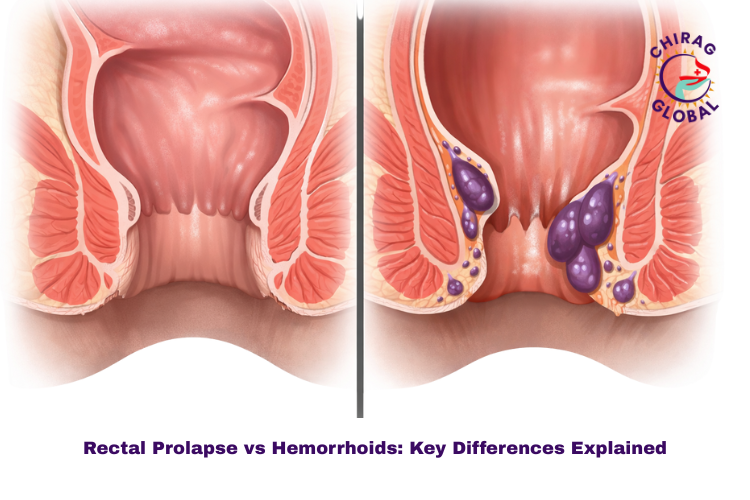
Piles are swollen or enlarged veins in the anal canal or around the anus. They may occur inside the rectum or outside the anal opening. Some people may only notice mild discomfort, while others may experience bleeding, pain, swelling, or a lump near the anus.
Piles are common, but they should not be ignored when symptoms are frequent, painful, or associated with bleeding.
There are mainly three types of piles:
Internal Piles
Internal piles develop inside the rectum. They may not always cause pain because the inner rectal area has fewer pain-sensitive nerves. However, internal piles can cause bleeding during bowel movements, mucus discharge, irritation, and a feeling of incomplete evacuation.
External Piles
External piles form near the anal opening. They may cause pain, swelling, itching, irritation, and discomfort while sitting. In some cases, a painful lump may be felt near the anus.
Thrombosed Piles
Thrombosed piles occur when a blood clot forms inside an external hemorrhoid. This may cause sudden pain, swelling, tenderness, and a hard lump near the anal opening. This condition usually needs timely medical attention.
Common Symptoms of Piles
The symptoms of piles may vary from person to person. Some people may have mild irritation, while others may experience severe pain or bleeding.
Common symptoms include:
- Bleeding during or after passing stool
- Pain near the anal opening
- Itching or irritation around the anus
- Swelling near the anus
- A lump around the anal opening
- Mucus discharge
- Discomfort while sitting
- Burning sensation after bowel movements
- Feeling that stool has not passed completely
Bleeding is one of the most common reasons people search for piles treatment in Bangalore. However, rectal bleeding should always be evaluated by a doctor because other conditions can also cause similar symptoms.
Key Note
Do not assume all rectal bleeding is due to piles. A proper medical examination is important, especially if bleeding is repeated, heavy, or associated with weight loss, weakness, severe pain, or changes in bowel habits.
What Causes Piles?
Piles usually develop due to increased pressure on the veins in the anal and rectal region. This pressure can make the veins swell and become painful or irritated.
Common causes and risk factors include:
- Chronic constipation
- Straining during bowel movements
- Sitting on the toilet for a long time
- Low-fibre diet
- Not drinking enough water
- Sedentary lifestyle
- Obesity
- Pregnancy
- Frequent diarrhoea
- Heavy lifting
- Age-related weakening of tissues
- Family tendency toward piles
In many cases, piles are linked to bowel habits. That is why long-term piles management should focus not only on treating symptoms but also on correcting constipation, straining, diet, hydration, and toilet habits.
When Should You Consult a Piles Doctor in Bangalore?
You should consult a piles doctor in Bangalore if your symptoms are frequent, painful, worsening, or not improving with basic care.
Medical consultation is especially important if you have:
- Bleeding during bowel movements
- Severe pain near the anus
- A painful lump around the anal opening
- Piles that keep coming back
- Difficulty sitting due to pain
- Constipation with bleeding
- Swelling that does not reduce
- Symptoms lasting for more than a few days
- Discharge, fever, or signs of infection
- Prolapsed piles that come out during bowel movements
Early consultation helps confirm whether your symptoms are due to piles or another anorectal condition such as fissure, fistula, abscess, infection, or rectal disease.
How Are Piles Diagnosed?
A doctor usually begins with a detailed discussion about your symptoms, bowel habits, diet, lifestyle, medical history, and previous treatments used.
Diagnosis may include:
Symptom Review
The doctor may ask about bleeding, pain, itching, swelling, stool pattern, constipation, duration of symptoms, and whether the lump comes out during bowel movements.
Physical Examination
A visual examination may help identify external piles, swelling, skin tags, fissures, or other visible concerns.
Digital Rectal Examination
In some cases, the doctor may perform a gentle rectal examination to check for internal abnormalities.
Proctoscopy or Anoscopy
A proctoscopy or anoscopy may be used to view the anal canal and lower rectum. This helps identify internal piles and assess their grade.
Additional Tests
If bleeding is persistent, unusual, or not clearly due to piles, the doctor may suggest further evaluation to rule out other conditions.
Proper diagnosis is important because piles symptoms can overlap with other anorectal problems. Treating the wrong condition can delay recovery.
Grades of Piles
Internal piles are often classified into grades based on severity and prolapse.
Grade 1 Piles
These are small internal piles that may cause bleeding but do not come out of the anus.
Grade 2 Piles
These piles may come out during bowel movements but go back inside on their own.
Grade 3 Piles
These piles come out during bowel movements and may need to be pushed back manually.
Grade 4 Piles
These piles remain outside and cannot be pushed back easily. They may cause pain, swelling, bleeding, discharge, and discomfort.
Treatment depends on the grade, symptoms, and patient condition. Mild piles may improve with conservative treatment, while advanced piles may require procedures or surgery.
Treatment Options for Piles in Bangalore
The goal of piles treatment is to reduce symptoms, treat the swollen hemorrhoidal tissue, prevent complications, and reduce recurrence. Not every patient needs surgery. The treatment plan depends on the grade and severity of piles.
1. Lifestyle and Diet Changes
For mild piles, doctors may recommend lifestyle and bowel habit correction. These steps can help reduce constipation and straining.
Common recommendations include:
- Eating fibre-rich foods
- Drinking enough water
- Avoiding excessive straining
- Reducing long toilet sitting
- Walking regularly
- Avoiding very spicy foods if they worsen symptoms
- Managing constipation early
- Maintaining a healthy weight
These changes are often useful in early piles and also help reduce recurrence after treatment.
2. Medicines and Ointments
Medicines, creams, ointments, pain-relief gels, stool softeners, and fibre supplements may be recommended for symptom control. These may help reduce pain, itching, swelling, and constipation.
However, medicines may not permanently treat advanced piles. They usually provide relief from symptoms and are often part of a broader treatment plan.
Avoid using over-the-counter ointments repeatedly without medical advice, especially if bleeding continues.
Suggested internal link: Link “ointment for piles pain” to /ointment-for-piles-
3. Sitz Bath and Local Care
A sitz bath involves sitting in warm water for a short period. It may help reduce pain, irritation, and anal muscle spasm. Doctors may recommend it after bowel movements or during painful episodes.
Local care may also include:
- Keeping the anal area clean and dry
- Avoiding harsh wiping
- Using soft tissue or water-based cleaning
- Avoiding scratching
- Following prescribed creams or medicines
4. Minimally Invasive Procedures
For selected cases, minimally invasive treatments may be recommended. These are usually considered when medicines and lifestyle measures are not enough.
Examples include:
- Rubber band ligation
- Sclerotherapy
- Infrared coagulation
- Other clinic-based procedures depending on suitability
These procedures are usually used for internal piles and are selected based on grade and symptoms.
Suggested internal link: Link “rubber band ligation for piles” to /rubber-band-ligation-for-piles/
5. Laser Treatment for Piles in Bangalore
Many patients search for laser treatment for piles in Bangalore because they want a treatment option with less bleeding, smaller wounds, and quicker recovery in suitable cases.
Laser treatment uses controlled laser energy to shrink or treat hemorrhoidal tissue. It may be considered for selected internal piles and certain advanced cases after medical evaluation.
Possible advantages may include:
- Less bleeding in suitable cases
- Smaller cuts compared to some traditional procedures
- Reduced tissue trauma
- Shorter hospital stay in selected cases
- Faster return to routine depending on the patient’s condition
However, laser treatment is not suitable for every patient. The doctor must evaluate the grade of piles, severity, symptoms, and associated conditions before recommending it.
Suggested internal link: Link “laser treatment for piles in Bangalore” to /laser-treatment-for-piles-in-bangalore/
6. Piles Surgery in Bangalore
Advanced piles, recurring piles, painful prolapse, or piles not improving with other treatments may require surgery. The type of surgery depends on the patient’s condition and doctor’s evaluation.
Surgery may be considered when:
- Piles are large or prolapsed
- Bleeding is repeated
- Symptoms keep returning
- There is severe pain or swelling
- Non-surgical treatments are not effective
- Grade 3 or Grade 4 piles are present
A piles specialist in Bangalore can explain the suitable surgical option, expected recovery, possible risks, and post-treatment care instructions.
Can Piles Be Treated Without Surgery?
Yes, some piles can be treated without surgery, especially when they are mild or diagnosed early. Lifestyle changes, fibre intake, hydration, stool softeners, medicines, ointments, and local care may help manage early symptoms.
However, not all piles respond to non-surgical treatment. If piles are advanced, prolapsed, thrombosed, or repeatedly bleeding, a doctor may recommend a procedure or surgery.
The safest approach is to avoid guessing the severity at home. A proper diagnosis helps decide whether non-surgical care is enough or whether further treatment is needed.
Can Piles Be Cured Permanently?
Many people ask whether piles can be cured permanently. The answer depends on the severity of piles, type of treatment, and whether the underlying causes are corrected.
Treatment can remove or reduce existing piles, but recurrence may happen if constipation, straining, low-fibre diet, long toilet sitting, obesity, or sedentary habits continue.
To reduce recurrence, patients should focus on:
- Fibre-rich diet
- Adequate water intake
- Regular walking
- Avoiding straining
- Treating constipation early
- Avoiding long toilet sitting
- Following the doctor’s recovery plan
It is better to use medically responsible language such as “effective treatment” and “recurrence prevention” rather than promising a permanent cure.
Is Piles Cure Possible in 3 Days?
Some people search for quick relief or “piles cure in 3 days.” Mild symptoms may reduce within a few days with proper medicines, diet correction, sitz bath, and constipation management. However, advanced piles cannot be responsibly promised to cure within three days.
If there is severe pain, repeated bleeding, swelling, or prolapse, medical evaluation is necessary. Quick symptom relief is possible in some cases, but the right treatment depends on diagnosis.
Recovery After Piles Treatment
Recovery depends on the type of treatment used, severity of piles, patient’s general health, and post-treatment care.
After treatment, the doctor may advise:
- Fibre-rich diet
- Drinking enough water
- Stool softeners if needed
- Sitz bath
- Avoiding constipation
- Avoiding heavy lifting for a short period
- Taking medicines as prescribed
- Follow-up consultation
- Maintaining hygiene
Patients should not stop follow-up just because symptoms improve. Follow-up helps check healing and reduce recurrence risk.
Why Choose Chirag Global Hospitals for Piles Treatment in Bangalore?
Chirag Global Hospitals stands out due to its exclusive focus on colorectal care.
What sets us apart:
- Specialized colorectal surgeons
- Modern laser treatment equipment
- Hygiene and safety-focused infrastructure
- Transparent pricing with no hidden charges
- Quick admission and discharge process
- Personalized post-surgery care
Final Thoughts
Piles are common, but repeated bleeding, pain, swelling, or discomfort should not be ignored. If you are looking for piles treatment in Bangalore, consult a qualified doctor for proper diagnosis and treatment planning.
The right treatment may include lifestyle correction, medicines, minimally invasive procedures, laser treatment, or surgery depending on the severity. A personalised approach gives better symptom control and helps reduce recurrence.
For safe care, avoid self-diagnosis, repeated use of over-the-counter creams, and unrealistic cure claims. Timely medical evaluation is the best way to understand your condition and choose the right treatment option.
FAQs – Piles Treatment in Bangalore
You can consult a proctologist, colorectal surgeon, or general surgeon experienced in treating piles and other anorectal conditions.
Yes, mild piles may improve with diet changes, medicines, ointments, stool softeners, and bowel habit correction. Advanced or recurring piles may need procedures or surgery.
Laser treatment may be suitable for selected patients. It can offer benefits such as less bleeding and faster recovery in appropriate cases, but a doctor must examine you before recommending it.
You should consult a doctor if bleeding is repeated, heavy, painful, or associated with weakness, weight loss, change in bowel habits, or severe discomfort.
Existing piles can be treated effectively, but recurrence is possible if constipation, straining, low-fibre diet, and long toilet sitting continue. Long-term prevention is important.
There is no single best treatment for everyone. The best treatment depends on the grade, symptoms, type of piles, overall health, and doctor’s evaluation.
Recovery depends on the type of treatment. Some patients recover quickly after minimally invasive procedures, while surgery may require more time and follow-up care.