
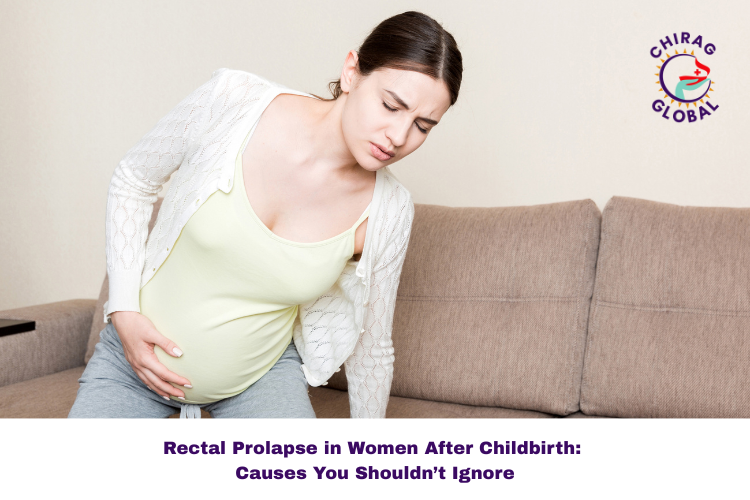
Rectal prolapse in women is a condition that can significantly affect quality of life, especially after childbirth. Many women experience symptoms such as discomfort, bowel movement difficulties, or a visible bulge, but hesitate to seek care. In Bangalore, early intervention is crucial to prevent worsening of the condition and restore normal bowel function.
At Chirag Global Hospitals, recognized as the Best Colo – Rectal Hospital of India, women receive specialized, evidence-based care for postpartum rectal prolapse. Our team of colorectal specialists provides discreet, patient-friendly consultation, diagnosis, and treatment for women experiencing rectal prolapse after delivery.
New mothers in Bangalore experiencing rectal discomfort or prolapse symptoms should book a consultation at Chirag Global Hospitals today to speak with a colorectal specialist.
What Is Rectal Prolapse in Women?
Rectal prolapse occurs when the rectum—the lower part of the large intestine—slips or protrudes through the anus. This happens when the supporting muscles and ligaments weaken, which is particularly common in women after childbirth.
Postpartum rectal prolapse can range from mild, where a small bulge is noticed only during straining, to severe, where the rectum remains outside the anus and causes persistent pain or bowel incontinence. Understanding this condition helps women seek timely treatment.
Causes of Rectal Prolapse in Women After Childbirth
Childbirth is the most significant risk factor for rectal prolapse in women. Vaginal delivery, especially with complications, can stretch and weaken the pelvic floor muscles and anal sphincter.
1. Vaginal Delivery Trauma
- Prolonged labor or difficult vaginal delivery
- Use of forceps or vacuum-assisted delivery
- Perineal tears during childbirth
2. Weak Pelvic Floor Muscles
- Pregnancy stretches the pelvic floor
- Lack of postpartum pelvic rehabilitation increases risk
3. Repeated Pregnancies
- Multiple pregnancies weaken connective tissue
- Increase in intra-abdominal pressure over time
4. Chronic Constipation Postpartum
- Straining during bowel movements damages rectal support
- Poor dietary fiber intake may worsen the condition
5. Age and Hormonal Changes
- Postpartum hormonal changes affect tissue elasticity
- Older women may have slower pelvic floor recovery
By addressing these factors early, women in Bangalore can prevent progression from mild to severe prolapse.
Signs and Symptoms of Rectal Prolapse in Women
Women experiencing postpartum rectal prolapse may notice:
- A visible bulge from the anus, especially during straining
- Difficulty controlling bowel movements (fecal incontinence)
- Pain, pressure, or a sensation of fullness in the rectum
- Mucus discharge or minor rectal bleeding
- Feeling of incomplete bowel evacuation
Symptoms often start subtly and worsen over time, making early consultation essential.
Diagnosis at Chirag Global Hospitals, Bangalore
At Chirag Global Hospitals, one of Bangalore’s leading colorectal hospitals located in Bangalore, diagnosis of rectal prolapse in women is thorough, respectful, and patient-centered.
Diagnostic Steps Include:
- Detailed medical and childbirth history
- Physical examination to assess prolapse severity
- Anorectal manometry to measure muscle function
- Colonoscopy, if necessary, to rule out other conditions
- Pelvic floor evaluation to plan treatment
Treatment Options for Rectal Prolapse in Women
Treatment depends on severity, age, and overall health. Options include non-surgical and surgical approaches.
Non-Surgical Treatment (Mild Cases)
- Pelvic floor exercises and physiotherapy
- Dietary modifications to reduce straining
- Stool softeners and fiber supplements
- Lifestyle adjustments to strengthen pelvic support
Surgical Treatment (Severe Cases)
For advanced postpartum rectal prolapse, surgery restores rectal position and improves bowel control. Options include:
- Laparoscopic rectopexy
- Robotic-assisted prolapse repair
- Perineal approaches for high-risk patients
At Chirag Global Hospitals, these procedures are performed by highly experienced colorectal surgeons, ensuring fast recovery, minimal pain, and lasting results.
Recovery and Postpartum Care
Recovery depends on the procedure and individual health:
- Mild prolapse managed non-surgically may resolve in weeks
- Surgical patients typically return to normal activities in 4–6 weeks
- Postpartum pelvic floor exercises prevent recurrence
- Regular follow-ups at our Bangalore facility ensure long-term success
Women regain bowel control, comfort, and quality of life with timely intervention.
Why Chirag Global Hospitals Is the Choice for Women in Bangalore
Women across Bangalore trust Chirag Global Hospitals for:
- Specialized postpartum colorectal care
- Compassionate, women-focused treatment
- Advanced surgical and non-surgical options
- Minimal hospital stay with fast recovery
- Recognized as the Best Colo – Rectal Hospital of India
We combine expertise, technology, and patient-friendly care to ensure every woman feels confident and supported.
Regain Comfort and Confidence
If you are experiencing rectal prolapse in women after childbirth, visit Chirag Global Hospitals in Bangalore today.
FAQs – Rectal Prolapse in Women After Childbirth
1. How common is rectal prolapse in women after childbirth?
It is relatively common, especially in women with prolonged or complicated vaginal deliveries.
2. Will treatment be painful?
Modern techniques at Chirag Global Hospitals are minimally invasive and designed for maximum comfort.
3. Can rectal prolapse heal on its own?
Mild prolapse may improve with pelvic floor exercises, but significant prolapse usually requires medical intervention.
4. Why choose Chirag Global Hospitals in Bangalore?
We are the Best Colo – Rectal Hospital of India, providing specialized care, advanced treatments, and compassionate support.
5. How long is recovery?
Recovery varies with treatment type. Most women return to normal activities within a few weeks.