
Pilonidal sinus is a condition that causes discomfort in the buttock crease and can significantly affect quality of life when left untreated. Although it may begin as a minor irritation, infections can develop quickly, leading to pain, swelling, and discharge. Understanding the signs and available treatments — especially stopping early rather than self-treating — is vital.
This guide explains causes, symptoms, and modern options for pilonidal sinus treatment in Bangalore, with expert care available at Chirag Global Hospitals.
If you suspect a pilonidal sinus, book a consultation at Chirag Global Hospitals in Bangalore for accurate diagnosis and personalized treatment.
What Is a Pilonidal Sinus?
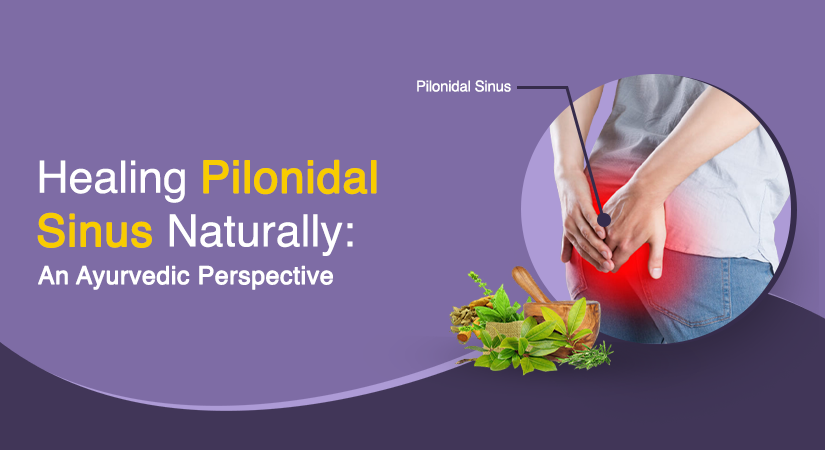
A pilonidal sinus is a small channel or tunnel that forms just above the buttocks, usually in the cleft near the tailbone. It develops when hair, debris, and bacteria accumulate in a small pit or opening in the skin.
While the condition itself is not life-threatening, it can become infected — forming a painful abscess — if not treated properly. This is why early evaluation and appropriate pilonidal sinus treatment in Bangalore is important.
Causes of Pilonidal Sinus (What Triggers It?)
Pilonidal sinus does not appear overnight. It typically develops through a combination of the following factors:
1. Hair and Friction
Loose hairs shed in the buttock area can penetrate the skin due to body movement and friction. These hairs can then become trapped, leading to inflammation.
2. Prolonged Sitting
Long hours of sitting — common among office workers, drivers, and students — increases pressure and friction in the lower back area, contributing to sinus formation.
3. Excessive Sweating
Moisture softens the skin, making it easier for hair to enter hair follicles and create pockets.
4. Obesity
Higher body weight increases pressure and friction in the buttock crease, raising the risk of hair embedding and inflammation.
5. Poor Hygiene
Infrequent cleaning and moisture buildup can make the area more prone to infection.
6. Genetics and Skin Structure
Some individuals may have deeper clefts or more body hair, creating a more favourable environment for pilonidal sinus to develop.
These contributing factors explain why the condition is common among young adults, especially males, and those with sedentary lifestyles.
Signs and Symptoms You Shouldn’t Ignore
Pilonidal sinus may begin with subtle signs, but symptoms can escalate rapidly once infection sets in.
Common Symptoms
- Pain or tenderness near the tailbone
- Redness around the cleft area
- Swelling or a lump that may feel firm
- Persistent or recurrent drainage of pus or blood
- Foul odor from the discharge
- Fever in cases of abscess or deeper infection
- Pain while sitting or walking
These symptoms can worsen if ignored, leading to recurrent abscess formation or chronic sinus tracts.
When Pilonidal Sinus Becomes Complicated
If the sinus tract becomes chronic or repeatedly infected, complications can arise:
- Multiple sinus tunnels
- Deep abscess pockets
- Recurrent inflammation
- Severe pain affecting daily activity
- Scarring and delayed healing
Complex cases benefit from a specialist’s evaluation and a treatment plan tailored to long-term resolution, not just symptom relief.
Diagnosis: What to Expect at Your Visit
Diagnosis for pilonidal sinus is typically clinical and performed by a colorectal or general surgeon.
During your consultation at Chirag Global Hospitals, Bangalore, the doctor will:
- Review your symptoms and medical history
- Examine the affected area visually
- Palpate (feel) the sinus or abscess
- Determine whether imaging is needed (usually in complex cases)
No invasive tests are required for basic diagnosis, and your questions will be welcomed throughout the process.
Pilonidal Sinus Treatment in Bangalore: Effective Options
Treatment depends on whether the sinus is:
- Uninfected and minor
- Infected with abscess
- Recurrent or chronic
- Deep or complex
Here’s how Chirag Global Hospitals approaches it:
1. Conservative or Initial Care
For minor cases without significant infection:
- Tight cleansing routines
- Hair removal or laser guidance
- Antibiotics (only if infection is present)
- Pain relief medication
This approach may help early or mild cases, but close monitoring is essential.
2. Abscess Drainage
If there’s a painful collection of pus, the priority is to relieve pressure and clear infection:
- A small incision to drain the abscess
- Cleaning of the cavity
- Dressing and hygiene advice
This gives quick relief, but is often paired with additional therapy to prevent recurrence.
3. Surgical Options (Long-Term Relief)
Chirag Global Hospitals offers a range of surgical treatments based on the sinus severity:
a. Excision and Primary Closure
The sinus and surrounding unhealthy tissue are removed, and the wound is closed directly.
b. Flap Procedures
For deeper or recurrent sinus tracts, flap techniques help flatten the edge of the buttock crease to reduce friction and improve healing.
c. Minimally Invasive Techniques
Newer approaches with smaller wounds and faster recovery may be considered based on patient suitability.
All surgical decisions are made after careful medical evaluation, ensuring safety and effectiveness.
Recovery After Pilonidal Sinus Treatment
Recovery varies depending on the intervention performed:
After Abscess Drainage
- Most patients get relief within a few days
- Wound care and dressings are continued for a short period
After Surgical Treatment
- Pain and soreness are expected initially
- Proper dressing changes speed healing
- Most people can resume normal activities within 2–4 weeks
Your surgeon will provide tailored instructions, including:
- Wound cleaning protocol
- Sitting and movement guidance
- Diet tips for bowel comfort
- Follow-up visit schedule
Chirag Global Hospitals emphasizes clear recovery guidance so patients know exactly what to expect.
Prevention and Post-Treatment Care
Even after successful pilonidal sinus treatment, recurrence prevention matters:
- Keep the area clean and dry
- Avoid prolonged sitting without breaks
- Maintain a healthy body weight
- Consider hair management if prone to ingrowth
- Attend all scheduled follow-ups
These habits reduce friction and infection risk.
Get Effective Pilonidal Sinus Treatment in Bangalore
Don’t let pilonidal sinus disrupt your daily life.
At Chirag Global Hospitals, Bangalore, our experienced team provides accurate diagnosis, safe treatment options, and personalized care to help you recover comfortably and reduce recurrence risk.
Book your consultation today and take the first step toward lasting relief.
FAQs – Pilonidal Sinus Treatment in Bangalore
1. Is pilonidal sinus curable?
Yes. With the right treatment and follow-up care, pilonidal sinus can be effectively treated with minimal recurrence.
2. Is surgery always necessary?
Not always. Mild, non-infected cases may heal with local care. Surgery is recommended when infection recurs or the sinus tract is complex.
3. How long does recovery take?
Abscess drainage often heals in a few days. Surgical recovery generally takes a few weeks, depending on the extent of the procedure.
4. Will it come back after treatment?
Recurrence is possible if the tract is not completely removed or if aftercare is not followed. Prevention strategies help reduce recurrence.
5. Can I sit normally after surgery?
Pain may persist briefly. Follow your surgeon’s advice on sitting, cushions, and activity to ensure healing.