
Pilonidal Cyst vs Pilonidal Sinus is a common concern among patients in Bangalore experiencing recurring pain or discharge near the tailbone. Although many people use these terms interchangeably, they are not exactly the same condition. Understanding the difference is crucial for choosing the right treatment and preventing complications.
At Chirag Global Hospitals, widely regarded as the Best Colo – Rectal Hospital of India, patients receive advanced and compassionate care for pilonidal disease. As one of Bangalore’s leading colorectal hospitals located in Bangalore, we specialize in diagnosing and treating complex anorectal disorders with minimally invasive techniques.
If you are experiencing discomfort, swelling, or repeated infection near the lower back, it’s time to consult a specialist.
Book a consultation today at Chirag Global Hospitals in Bangalore and speak directly with an experienced colorectal specialist. Early treatment prevents recurrence and complications.
Understanding Pilonidal Disease
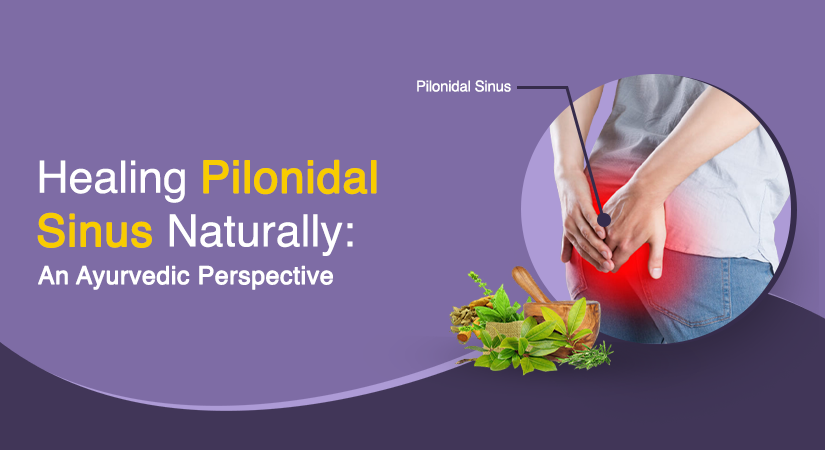
Pilonidal disease primarily affects the area near the tailbone (coccyx), at the top of the buttock crease. It is more common in:
- Young adults (15–40 years)
- Individuals with sedentary jobs (IT professionals in Bangalore are especially at risk)
- People with excessive body hair
- Those who sit for prolonged hours
What Is a Pilonidal Cyst?
A pilonidal cyst is a closed sac under the skin filled with:
- Hair
- Debris
- Dead skin cells
- Fluid or pus (if infected)
It may remain painless for a long time. However, once infected, it can cause significant discomfort.
Pilonidal Cyst Symptoms
Common pilonidal cyst symptoms include:
- Swelling near the tailbone
- Tenderness while sitting
- Redness in the affected area
- Pus discharge (if infected)
- Fever in severe cases
If left untreated, the cyst can develop into a sinus.
What Is a Pilonidal Sinus?
The pilonidal sinus meaning refers to a small abnormal tunnel or tract that forms under the skin. Unlike a cyst (which is a closed sac), a sinus has an opening that may drain pus or blood.
Pilonidal Sinus Symptoms
Typical pilonidal sinus symptoms include:
- Persistent discharge from a small opening
- Foul-smelling drainage
- Chronic pain in the tailbone area
- Recurrent infections
- Formation of multiple sinus tracts
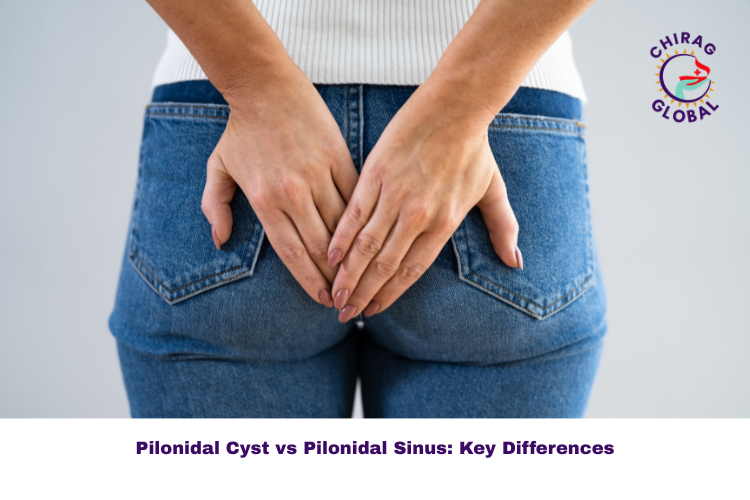
Pilonidal Cyst vs Pilonidal Sinus: Key Differences
| Feature | Pilonidal Cyst | Pilonidal Sinus |
| Structure | Closed sac | Tunnel with opening |
| Discharge | Only when infected | Usually persistent |
| Pain Level | Mild to severe (if infected) | Often chronic and recurring |
| Risk of Recurrence | Moderate | Higher if untreated |
| Treatment Approach | May resolve with drainage | Often requires surgery |
Understanding Pilonidal Cyst vs Pilonidal Sinus helps patients seek timely care at the Best Colo – Rectal Hospital of India, where accurate diagnosis leads to effective treatment.
Pilonidal Sinus Causes
Several factors contribute to pilonidal sinus causes:
- Ingrown hair penetrating the skin
- Friction from tight clothing
- Long hours of sitting (common in Bangalore IT workforce)
- Poor hygiene
- Obesity
- Family history
The combination of hair, friction, and bacterial infection leads to inflammation and sinus formation.
When Should You See a Specialist in Bangalore?
You should consult a colorectal specialist if you experience:
- Recurrent pain near the tailbone
- Continuous discharge
- Fever with swelling
- Difficulty sitting comfortably
At Chirag Global Hospitals in Bangalore, early intervention helps avoid complex surgeries and long recovery periods.
Pilonidal Cyst Treatment Options
Treatment depends on severity.
1. Conservative Management
- Antibiotics (for infection control)
- Pain relievers
- Warm compresses
- Hygiene improvement
2. Incision and Drainage
Performed under local anesthesia to remove pus from an infected cyst.
3. Laser Treatment – one of the best indications of lasers is in pilonidal sinus.
Minimally invasive and ideal for working professionals in Bangalore seeking faster recovery.
At the Best Colo – Rectal Hospital of India, surgeons use advanced techniques ensuring minimal scarring and quicker healing.
Pilonidal Sinus Surgery Recovery
One of the biggest concerns patients have is recovery time.
What to Expect:
- Mild discomfort for a few days
- Return to desk job within 2-3 days (depending on procedure)
- Complete healing in 3–4 weeks
- Regular follow-ups
Tips for Faster Recovery:
- Keep the area clean and dry
- Avoid prolonged sitting
- Wear loose clothing
- Follow post-operative care instructions
- Attend scheduled follow-ups in Bangalore clinic
Proper care significantly reduces recurrence risk.
Pilonidal Sinus Recurrence Prevention
Preventing recurrence is crucial.
Here’s how:
- Maintain hygiene
- Remove excess hair (laser hair removal recommended)
- Avoid long sitting hours
- Maintain healthy weight
- Wear breathable clothing
At Chirag Global Hospitals, specialists provide personalized guidance on pilonidal sinus recurrence prevention, ensuring long-term results.
Final Thoughts
Understanding Pilonidal Cyst vs Pilonidal Sinus is essential for timely diagnosis and effective treatment. Ignoring early symptoms can lead to chronic infection and complicated surgery.
If you live in Bangalore and are experiencing symptoms, don’t delay care. Trust the Best Colo – Rectal Hospital of India for expert guidance and lasting relief.
Schedule your consultation at Chirag Global Hospitals in Bangalore today.
Frequently Asked Questions (FAQs)
1. Is pilonidal sinus very painful?
It can be extremely painful when infected. Early treatment at Chirag Global Hospitals in Bangalore can prevent severe discomfort.
2. Can pilonidal cyst go away on its own?
Sometimes small cysts may not cause symptoms. However, infected cysts usually require medical intervention.
3. How long does pilonidal sinus surgery recovery take?
Most patients resume normal activities within 2-3 days , depending on the procedure.
4. Is laser treatment available in Bangalore?
Yes. Chirag Global Hospitals offers advanced laser treatment for pilonidal sinus in Bangalore.
5. Will the condition come back after surgery?
Recurrence is possible but rare when treated by experienced specialists and proper aftercare is followed.