

Many patients delay seeking help because they mistake the early symptoms of an anal fistula for minor irritation or a skin infection. But ignoring these early signs can lead to chronic infection, abscess formation, and recurrent pain. Understanding the early symptoms is the first step toward preventing complications — and timely diagnosis ensures faster and safer healing.
If you are searching for Fistula Treatment in Bangalore, Chirag Global Hospitals is one of the leading centers offering advanced, minimally invasive fistula care with experienced colorectal specialists.
Noticing discomfort or discharge? Book a fistula consultation at Chirag Global Hospitals today.
What Is an Anal Fistula?
An anal fistula is an abnormal channel formed between the anal canal and the skin near the anus. It usually develops due to an untreated infection or abscess that fails to heal properly.
How a Fistula Forms
- A blocked anal gland becomes infected
- Pus builds up and forms an abscess
- The abscess drains but leaves behind a tunnel
- This tunnel becomes a persistent fistula
Fistulas rarely heal on their own and often require medical intervention to prevent infection from spreading deeper.
Early Signs of Fistula That People Commonly Ignore
Below are the most overlooked warning signs that indicate you may need Fistula Treatment in Bangalore.
1. Repeated Skin Irritation Near the Anus
Many patients dismiss itching or irritation as a hygiene issue, but recurring irritation can suggest deeper infection.
Why this symptom is ignored:
- Mild irritation seems harmless
- People assume it’s due to sweating or friction
- Symptoms come and go, giving a false sense of relief
Persistent irritation shouldn’t be ignored, especially when accompanied by other symptoms.
2. Pain While Sitting
A fistula often causes localized pain that gets worse when sitting.
Typical mistakes patients make:
- Blaming it on long sitting hours (common in Bangalore IT workforce)
- Assuming it’s just piles
- Self-treating with creams without diagnosis
If sitting becomes painful or uncomfortable often, it’s worth getting checked.
3. Small Opening or Hole Near the Anus
A visible opening (external fistula opening) is a key sign — but most patients do not notice it until a doctor points it out.
What you may observe:
- A tiny hole
- Occasional drainage
- Surrounding skin redness
This should never be ignored because it indicates a chronic fistula.
4. Pus or Discharge
One of the most common and telling signs is continuous or intermittent discharge.
Discharge may appear:
- Yellowish pus
- Blood-tinged fluid
- Bad-smelling leakage
Patients often mistake this for skin infection or piles, delaying proper care.
5. Recurring Abscesses
If you experience repeated swelling near the anus, it may indicate an underlying fistula.
Why recurring abscesses matter:
- They signal unresolved infection
- They often precede fistula formation
- They can become painful and burst on their own
Untreated abscesses pose a high risk of spreading infection.
6. Fever or Fatigue
Systemic symptoms are often overlooked but can accompany a severe infection.
Warning signs:
- Mild fever
- Body weakness
- Chills
- Loss of appetite
These symptoms indicate the infection might be spreading internally.
Why Early Detection Matters
Ignoring the symptoms of a fistula leads to worsening complications.
Risks of Delayed Diagnosis
- Chronic pain
- Recurrent infections
- Increased complexity of fistula tract
- Higher chance of requiring extensive surgery
- Risk of worsening inflammation
Early detection allows for minimally invasive options with faster healing.
Diagnosis of Fistula at Chirag Global Hospitals
At Chirag Global Hospitals, the diagnostic approach includes:
Physical Examination
The specialist checks for external openings, infection, and discharge.
MRI Fistulogram (Advanced Imaging)
Helps identify complex fistula tracks and secondary channels.
Proctoscopy
Used to evaluate the internal opening and associated inflammations.
Accurate diagnosis ensures the right treatment plan tailored to each case.
Fistula Treatment Options at Chirag Global Hospitals, Bangalore
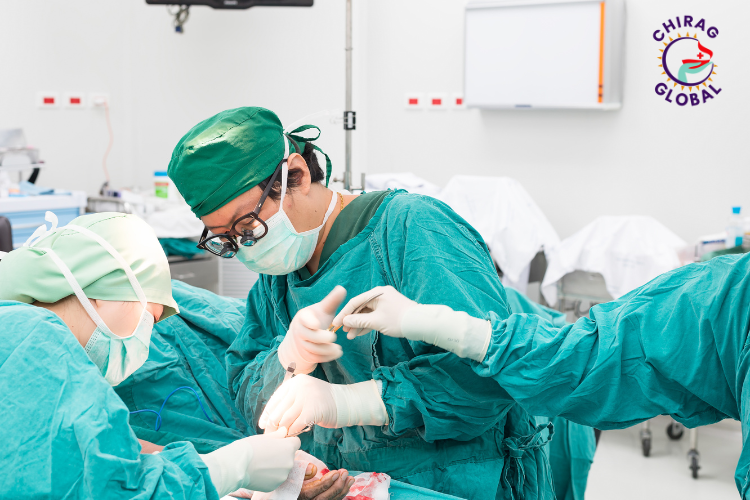
Our specialists provide comprehensive Fistula Treatment in Bangalore, combining advanced technology with patient-focused care.
1. Medication-Based Management
Used for very early or mild infection:
- Antibiotics
- Anti-inflammatory medicines
- Pain relief
- Sitz bath
These help manage symptoms but do not cure the fistula entirely.
2. Abscess Drainage
If an abscess is present, it must be opened and drained to prevent spread of infection.
Benefits:
- Immediate pain relief
- Prevents further complications
- Reduces pus accumulation
3. Fistulotomy
This is a common and effective method for simple fistulas.
Procedure advantages:
- Straightens and opens the fistula tract
- Allows it to heal from inside out
- High success rate
4. Seton Procedure
Used for complex fistulas that pass through significant muscle.
Seton helps by:
- Draining infection slowly
- Allowing gradual healing
- Protecting the anal sphincter muscles
5. Laser Fistula Treatment
Laser therapy is one of the most advanced techniques available at Chirag Global Hospitals.
Benefits of Laser Fistula Treatment:
- Minimally invasive
- Less bleeding
- Less pain
- Shorter hospital stay
- Faster recovery
- Reduced recurrence rate
This approach is ideal for patients looking for safe, precise, and modern Fistula Treatment in Bangalore.
Why Choose Chirag Global Hospitals for Fistula Treatment in Bangalore?
Experienced colorectal surgeons
Advanced laser technology
Daycare procedures
Minimal pain treatments
High success rates
Clean, hygienic, patient-friendly facility
Personalized aftercare and follow-up
Patients trust Chirag Global Hospitals for ethical, transparent, and comfortable treatment from diagnosis to recovery.
Frequently Asked Questions (FAQs)
1. What causes fistulas?
Most fistulas form due to untreated abscesses or infections in the anal glands.
2. Can fistulas heal without treatment?
No. Fistulas rarely heal naturally and usually require medical or surgical care.
3. Is laser treatment effective for fistulas?
Yes, laser treatment is minimally invasive, precise, and offers faster recovery.
4. When should I see a doctor?
If you notice discharge, persistent pain, or recurring abscesses, visit a specialist immediately.
5. Do fistulas come back after treatment?
With proper diagnosis and the right treatment method, recurrence rates are low.