
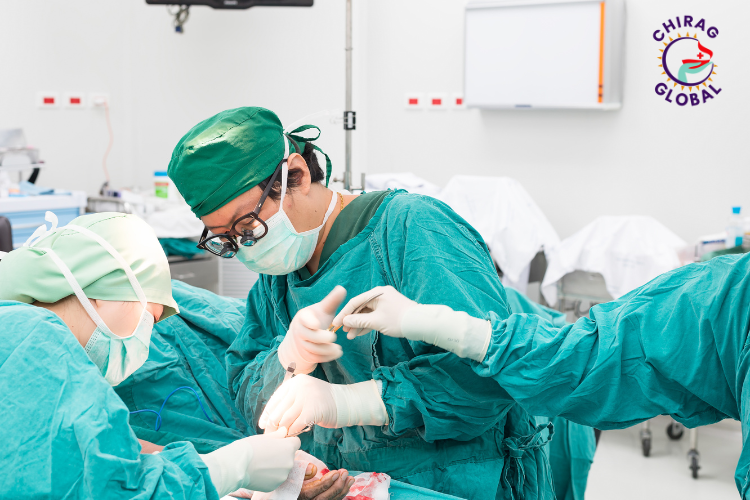
If you are preparing for fistula surgery in Bangalore, it is normal to have several questions about your recovery, pain levels, diet changes, and when you can return to work or daily activities. Anal fistula is a persistent condition that does not heal on its own. Because of this, surgery remains the most effective and reliable treatment option for long-term relief.
At Chirag Global Hospitals, one of the leading colorectal treatment centres in Bangalore, patients receive advanced, minimally invasive surgical care delivered by experienced specialists. With modern laser techniques, refined surgical planning, and structured post-operative care, the hospital helps patients recover faster and more comfortably.
Need guidance before or after fistula surgery in Bangalore? Book an appointment at Chirag Global Hospitals today.
What Is Fistula Surgery and Why Is It Necessary?
A fistula forms when an infected anal gland creates an abnormal channel between the anal canal and the outer skin. Once this tract develops, it does not close naturally. This is why fistula surgery in Bangalore is often required to remove or seal the tract, drain the infection, and prevent further complications.
Surgery may be recommended to:
- Remove the infected tract completely
- Prevent pus formation
- Reduce pain and swelling
- Protect sphincter muscles
- Restore normal bowel function
- Prevent recurrent infections
Untreated fistulas can grow deeper, form multiple tracts, or lead to repeated abscesses. Early surgical intervention prevents these issues.
Types of Fistula Surgery in Bangalore
There are multiple surgical approaches depending on the fistula’s complexity. At Chirag Global Hospitals, the most suitable method is chosen after examining tract depth, direction, and sphincter involvement.
Fistulotomy
This is used for simple, low-level fistulas. The tract is opened and allowed to heal naturally from the inside out.
Fistulectomy
In this method, the entire fistula tract is removed. It is preferred when the tract is thick or infected.
LIFT Procedure (Ligation of Intersphincteric Fistula Tract)
This technique is used for complex or deep fistulas while preserving sphincter muscle function.
Seton Placement
A medical thread is inserted to drain infection and prepare the tract for final correction.
Laser Fistula Surgery (FiLaC)
Laser-based surgery is highly preferred for fistula surgery in Bangalore because it is minimally invasive and offers:
- Less pain
- Minimal bleeding
- No major cuts
- Faster recovery
- Lower recurrence rate
Chirag Global Hospitals uses advanced laser systems for precision and quick healing.
Recovery Timeline After Fistula Surgery in Bangalore
Every individual heals differently, but the following is a general recovery timeline you can expect after surgery.
Day 1 to Day 3: Initial Recovery Phase
- Pain is present but manageable with prescribed medication
- Light walking is encouraged
- Sitz baths are recommended two to three times a day
- Dressing changes may be required
- Soft bowel movements are important to avoid strain
Week 1 to Week 2: Reduced Pain and Improved Healing
- Noticeable reduction in discomfort
- Swelling and discharge decrease
- Bowel movements become easier
- A follow-up visit is usually scheduled
Most patients can resume light work during this period depending on comfort.
For post-surgery care instructions, book a follow-up visit at Chirag Global Hospitals.
Week 3 to Week 4: Gradual Return to Routine
- Wound healing progresses well
- Walking and normal daily tasks become easier
- Travel is possible with precautions
- Exercise can be introduced gradually
Laser surgery patients often recover faster and return to work sooner.
6 Weeks and Beyond: Complete Healing
Internal and external healing is usually complete within 6 to 8 weeks. Complex fistulas may require more time.
Diet Tips After Fistula Surgery
A proper diet reduces strain during bowel movements and supports faster healing.
Increase Fiber Intake
Include foods such as:
- Fresh fruits
- Vegetables
- Oats
- Whole grains
- Lentils
- Leafy greens
Stay Hydrated
Drink 8 to 10 glasses of water daily to avoid constipation.
Avoid Irritating Foods
Limit:
- Oily food
- Spicy food
- Processed items
- Caffeine excess
Eat Stool-Softening Foods
Helpful options include:
- Bananas
- Papaya
- Soups
- Buttermilk
- Warm water frequently
Avoid Constipation Triggers
Avoid red meat, packaged foods, and excessive tea or coffee until fully healed.
What to Expect After Fistula Surgery in Bangalore
Here are some realistic expectations after your surgery:
Mild Pain is Expected
Pain reduces steadily within a few days with medication.
Sitz Baths Are Essential
Warm-water baths help relax muscles and promote healing.
Dressings May Be Required
Depending on the procedure, dressing changes are needed for hygiene and recovery.
Activity Restrictions
Avoid heavy lifting, long travel, or strenuous workouts temporarily.
Healing Takes Time
Even minimally invasive procedures require weeks for complete internal healing.
Why Choose Chirag Global Hospitals for Fistula Surgery in Bangalore?
Chirag Global Hospitals is recognised for its expertise in treating both simple and complex fistulas.
Experienced Colorectal Surgeons
The team has extensive experience with all fistula types, including recurrent and multi-tract cases.
Advanced Laser Technology
Laser treatment ensures minimal pain and faster recovery.
Customized Treatment Plans
Every patient receives a treatment plan based on fistula severity and anatomy.
Complete Post-Operative Care
Dressing support, follow-up visits, and lifestyle counselling are provided.
High Success Rate
Combination of skilled surgeons and modern technology improves long-term outcomes.
FAQs
1. How long does recovery take?
Most patients recover within 4 to 6 weeks depending on the type of surgery.
2. Is fistula surgery painful?
Mild pain is expected initially, but medications and laser surgery reduce discomfort significantly.
3. When can I return to work?
Light work can often be resumed within a week, especially after laser surgery.
4. Can fistulas come back after surgery?
Recurrence is low when treated properly and follow-up care is maintained.
5. Are follow-up visits necessary?
Yes, follow-ups ensure proper healing and prevent complications.