
Have you noticed that your bowel routine changes whenever you travel? You may feel the need to use the bathroom less often, experience harder stools, or simply feel that your usual routine is different. This is often associated with changes in daily habits during a trip.
Constipation when traveling may be linked to changes in meals, fluid intake, physical activity, sleep, bathroom routines, and daily schedules. Understanding these factors can help you make sense of why your bowel habits may change away from home.
If changes in your bowel habits continue after your trip or keep happening whenever you travel, consider discussing your concerns with a qualified healthcare professional at Chirag Global Hospitals in Bangalore.
Book a Consultation | Call 08065903127
Why Do You Get Constipated When Traveling?
Travel can disrupt the routines that normally influence your bowel habits. Even small changes can make your usual bathroom schedule feel different.
Some common travel-related factors include:
- Changes in meal timing
- Eating different types of food
- Reduced physical activity
- Spending long periods sitting during journeys
- Changes in usual fluid intake
- Delaying the urge to use the bathroom
- Stress associated with travel
- Changes in sleep patterns
- Different time zones
- Using unfamiliar bathrooms
These factors do not affect everyone in the same way. Your bowel routine may also vary depending on the length and nature of the trip.
How Changes in Routine Can Affect Bowel Movements
Your body often becomes accustomed to a particular daily schedule. This may include when you eat, when you wake up, how much you move, and when you usually use the bathroom.
During travel, that routine can change considerably.
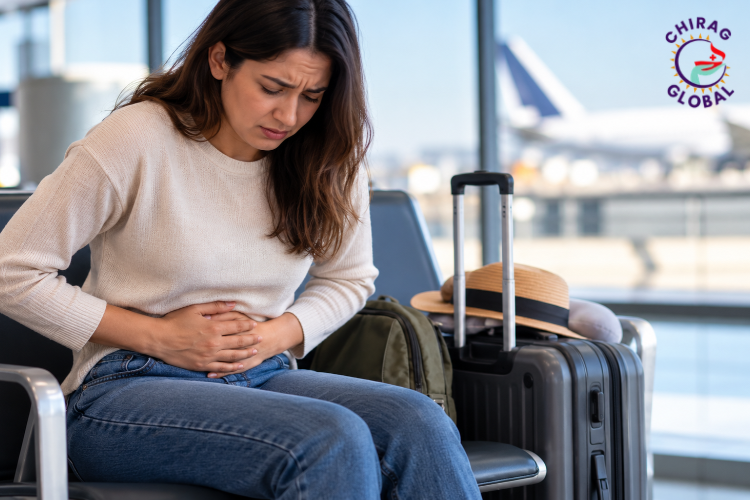
For example, someone who normally has breakfast at home and follows a regular morning bathroom routine may have an early flight, skip breakfast, spend several hours at an airport, and eat at a different time.
This change in routine may coincide with a change in bowel movements.
Common Reasons for Constipation While Traveling
Changes in Your Diet
Travel often means eating foods that are different from your usual meals. Restaurant meals, packaged snacks, fast food, or irregular meal times can change your normal eating pattern.
If your usual diet includes plenty of fiber-rich foods such as fruits, vegetables, whole grains, and legumes, eating fewer of these foods during a trip may change your bowel routine.
The goal is not to follow a strict diet while traveling. Instead, try to maintain some familiar food choices where practical.
Drinking Less Fluid
People sometimes change their usual drinking habits while traveling because of long journeys, busy schedules, limited access to bathrooms, or simply forgetting to drink regularly.
Maintaining your normal fluid intake can be helpful for keeping your daily routine consistent. Carrying a water bottle during a journey can also make it easier to remember to drink.
Less Physical Activity
Long flights, train journeys, car trips, and extended periods of sightseeing can change how much you move during the day.
If your normal routine involves regular walking or physical activity but your travel day involves several hours of sitting, your overall activity pattern may be quite different.
Adding movement to your day, such as walking during appropriate breaks, can help you maintain a routine similar to your normal day.
Ignoring the Urge to Use the Bathroom
Travel does not always provide convenient access to a bathroom. You may be on a bus, waiting at an airport, attending a meeting, or visiting a crowded tourist location.
As a result, you may delay going when you feel the need.
When possible, allow yourself enough time for bathroom breaks rather than repeatedly postponing them because of a busy travel schedule.
Stress and Travel Anxiety
Travel can involve planning, unfamiliar surroundings, traffic, delays, crowds, and changes to your normal environment.
Stress can also affect your usual daily routines, including eating, sleeping, and bathroom habits.
Giving yourself enough time during travel days and avoiding an overly rushed schedule may help you maintain more of your normal routine.
Changes in Sleep and Time Zones
International travel can involve significant changes in sleep schedules and daily timing.
Your usual breakfast, lunch, dinner, sleeping time, and bathroom routine may all shift.
Rather than expecting your body to immediately follow your normal schedule, give yourself time to adjust while keeping your daily routine as consistent as practical.
How to Prevent Constipation While Traveling
There is no single travel routine that works for everyone. However, maintaining familiar habits can make it easier to manage changes in bowel habits.
Keep Meals Relatively Regular
Try to avoid making every meal completely different from your normal eating pattern.
Where practical, include familiar sources of fiber such as:
- Fruits
- Vegetables
- Whole grains
- Beans and lentils
- Other fiber-containing foods you normally eat
If you are increasing fiber substantially, doing so gradually may be more comfortable than making a sudden major dietary change.
Maintain Your Usual Fluid Routine
Travel can make it easy to overlook drinking fluids. Keep water accessible and try to maintain a routine similar to what you normally follow.
Your fluid requirements can vary depending on factors such as weather, activity, and individual circumstances.
Include Movement During Long Journeys
If you are traveling for several hours, look for reasonable opportunities to stand, walk, or stretch.
For example, during a road trip, appropriate rest stops can provide an opportunity to get out of the vehicle and move around.
Give Yourself Bathroom Time
Avoid planning every minute of a travel day. Building in reasonable bathroom breaks can make it easier to respond to your body’s usual signals.
This is particularly useful on days involving airports, long-distance transport, meetings, or sightseeing.
Try to Maintain a Familiar Routine
You may not be able to reproduce your home routine exactly, but keeping certain habits consistent can make travel easier.
Try to maintain similar:
- Meal times
- Sleep patterns
- Activity levels
- Bathroom routines
- Fluid habits
Small adjustments can be easier to maintain than trying to completely change your routine during a trip.
What to Do If You Are Constipated After Travel
Sometimes bowel habits may remain different for a short period after returning home. Your meals, sleep schedule, activity level, and daily routine may still be settling back into their usual pattern.
Start by returning to your normal routine where practical.
Consider paying attention to:
- Your regular meal pattern
- Your usual fluid intake
- Fiber-containing foods you normally eat
- Daily movement
- Your usual bathroom routine
If constipation continues, frequently returns, or is accompanied by concerning changes, speaking with a healthcare professional can help determine whether further evaluation is appropriate.
When Should You Talk to a Doctor About Constipation?
Occasional changes in bowel habits can occur around changes in routine, but persistent or recurring constipation deserves attention.
Consider seeking professional guidance if:
- Constipation continues or repeatedly returns
- Your bowel habits have changed noticeably without an obvious reason
- You are concerned about ongoing digestive or bowel symptoms
- Symptoms are interfering with your daily activities
- You notice other unusual changes along with constipation
A healthcare professional can review your symptoms, routine, diet, medications if applicable, and other relevant factors before deciding whether further evaluation is needed.
If travel-related bowel concerns are becoming a recurring issue, you can contact Chirag Global Hospitals in Bangalore to discuss your concerns with a qualified healthcare professional.
Travel Constipation: A Simple Checklist
Before and during your next trip, keep this checklist in mind:
- Keep your meals reasonably regular
- Include familiar fiber-containing foods
- Maintain your normal fluid routine
- Take appropriate movement breaks during long journeys
- Avoid repeatedly delaying bathroom breaks
- Allow enough time for bathroom use
- Try to maintain a consistent sleep schedule
- Give your body time to adjust after major travel
- Pay attention to persistent or recurring bowel changes
The key is consistency rather than perfection. Travel naturally changes your routine, but maintaining a few familiar habits can make the transition easier.
Conclusion
Constipation when traveling can coincide with changes in food, fluids, activity, sleep, stress, and bathroom routines. Understanding these everyday changes can help you identify why your bowel habits may feel different during or after a trip.
If constipation keeps returning during travel or continues after you return home, consider speaking with a healthcare professional rather than simply ignoring the change.
For ongoing bowel or digestive concerns, Chirag Global Hospitals in Bangalore provides an opportunity to discuss your symptoms and determine the appropriate next step with a healthcare professional.
Contact Chirag Global Hospitals
Frequently Asked Questions
What causes constipation when traveling?
Constipation when traveling may occur alongside changes in diet, fluid intake, physical activity, sleep, meal timing, bathroom routines, and daily schedules. Long periods of sitting and delaying bathroom breaks may also coincide with changes in bowel habits.
Why do I get constipated every time I travel?
If constipation repeatedly occurs during trips, consider looking at what changes in your routine when you travel. Differences in meals, fluids, activity, sleep, stress, and bathroom access may all be relevant factors.
How can I prevent constipation while traveling?
Maintaining familiar habits may help. Try to keep meals reasonably regular, include fiber-containing foods you normally eat, maintain your usual fluid routine, stay appropriately active, and allow time for bathroom breaks.
Can long flights affect bowel movements?
Long flights can change your normal routine through extended sitting, different meal and sleep schedules, changes in fluid habits, and limited bathroom access. These changes may coincide with a temporary change in bowel habits.
Why does my bowel routine change on vacation?
Vacation often involves different foods, meal times, sleep schedules, activity levels, and daily routines. These changes can make your bowel habits different from what you experience at home.
How long can constipation after travel last?
The duration can vary from person to person. If your bowel habits do not return to your usual pattern, repeatedly change, or cause ongoing concern after travel, consider discussing the issue with a healthcare professional.
When should I see a doctor for constipation?
Consider speaking with a healthcare professional if constipation persists, repeatedly returns, significantly changes your usual bowel pattern, or occurs with other concerning symptoms.
Does changing my diet while traveling affect constipation?
A significant change in your usual diet can coincide with changes in bowel habits. Travel may involve fewer familiar fiber-containing foods, different meal schedules, or more processed and restaurant foods than usual.