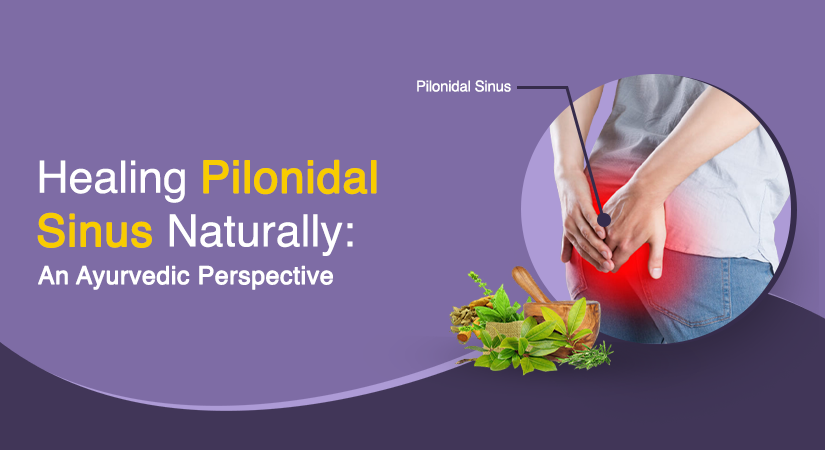


Pilonidal sinus is a small tunnel or opening in the skin near the top of the buttock crease, close to the tailbone. It can become inflamed or infected, causing pain, swelling, redness or drainage. But why does it happen to some people and not others?
The answer is usually a combination of anatomy, hair, friction, pressure and individual risk factors. Knowing the pilonidal sinus risk factors can help you understand whether you may be more susceptible and what practical steps may reduce irritation or recurrence.
Chirag Global Hospitals can assess symptoms such as a painful lump, recurrent swelling or drainage around the tailbone and help determine whether the problem is pilonidal disease or another condition.
If you have a painful lump, swelling or repeated drainage near the tailbone, consider getting it assessed by a qualified doctor rather than relying on self-treatment.
Book a Consultation | Call 08065903127
Who Is Most Likely to Develop Pilonidal Sinus?
Pilonidal disease can affect anyone, but certain groups have a higher likelihood of developing it.
Young Adults
Pilonidal sinus is most common in adolescents and younger adults, particularly during the years when hair growth and skin changes are more active. It can occur outside this age group, so age alone does not rule it out.
Men
Pilonidal disease is reported more often in men than women. This may partly relate to differences in body hair and other physical factors.
However, women can also develop pilonidal sinus. Symptoms such as a painful lump, drainage or swelling near the tailbone should not be ignored simply because the condition is more common in men.
People Who Sit for Long Periods
Prolonged sitting is an important risk factor for pilonidal sinus. Office workers, drivers, students and people who spend many hours seated may experience repeated pressure and friction around the natal cleft.
Long periods of sitting do not mean that someone will definitely develop pilonidal disease. They are one factor among several that can contribute to it.
Taking regular movement breaks may help reduce continuous pressure on the area, particularly for people whose work requires long hours at a desk or behind the wheel.
People With Coarse or Abundant Body Hair
Loose hair can collect in the buttock cleft. Coarse or dense hair may increase the chance of hair becoming trapped and penetrating the skin.
This does not mean that having body hair automatically causes pilonidal disease. The interaction between hair, friction, skin and the shape of the cleft is more important.
People With Obesity or Higher Body Weight
Higher body weight is associated with pilonidal disease and may increase pressure and friction within the buttock cleft. Obesity can also be associated with a greater risk of recurrence after treatment.
Weight should be considered as one health factor, not as a judgement about the person. If weight management is appropriate, it should be approached safely and realistically with professional guidance when needed.
People With a Deep Natal Cleft
The natural shape and depth of the buttock crease can influence how easily hair, sweat and debris collect in the area. A deeper cleft may create conditions where friction and trapped hair are more likely.
This anatomical factor cannot simply be changed through hygiene or exercise. This is one reason why some people can develop pilonidal disease despite taking good care of their skin.
People With a Family History
Having a close family member with pilonidal disease may increase susceptibility. Family history may reflect inherited characteristics such as body hair patterns or the shape of the natal cleft.
However, having a family history does not mean that someone will definitely develop the condition.
People Exposed to Repeated Friction or Local Trauma
Repeated rubbing, pressure or minor trauma around the cleft may contribute to pilonidal disease. This can occur with prolonged sitting, certain physical activities or clothing that repeatedly irritates the area.
The important factor is repeated mechanical stress rather than one isolated movement or injury.
Is Poor Hygiene a Cause of Pilonidal Sinus?
Not necessarily. Pilonidal disease is not simply a condition caused by being unclean.
Keeping the area clean and dry can reduce the build-up of sweat, debris and loose hair, but hygiene alone does not explain why some people develop a sinus. Anatomy, hair, friction, pressure and individual susceptibility also matter.
This distinction is important because blaming poor hygiene can create unnecessary embarrassment and may discourage people from seeking medical advice.
Can Pilonidal Sinus Be Prevented?
There is no method that can guarantee prevention, particularly when someone has strong anatomical or individual risk factors. However, reducing repeated irritation may be helpful.
Practical steps include:
- Avoid sitting continuously for very long periods. Stand, walk or change position regularly.
- Keep the cleft clean and dry, especially after sweating or exercise.
- Wear comfortable clothing that does not create excessive rubbing.
- If you have significant body hair or recurrent disease, ask a doctor whether an appropriate hair-management approach may help.
- If you want to reduce health risks associated with excess weight, discuss a sustainable weight-management plan with a healthcare professional.
- Do not squeeze, puncture or repeatedly pick at a painful lump.
If you have already experienced pilonidal disease, prevention becomes particularly important because the condition can recur.
If you are experiencing repeated swelling or drainage near the tailbone, speaking with a surgeon can help determine whether you have an active infection, a chronic sinus or another condition. Chirag Global Hospitals in Bangalore can help with clinical evaluation and appropriate treatment planning.
What Symptoms Should You Watch For?
Risk factors do not diagnose pilonidal sinus. The condition is usually suspected from the location and appearance of the skin changes, together with symptoms.
Common signs include:
- A small pit or opening near the top of the buttock crease
- Pain or tenderness while sitting
- Swelling or a lump near the tailbone
- Redness or warmth around the area
- Pus, blood or other drainage
- Repeated episodes of swelling in the same location
- Fever when an abscess or significant infection is present
A painful, rapidly enlarging lump may indicate an abscess. In that situation, delaying assessment can allow the infection to worsen.
When Should You See a Doctor?
You should consider medical assessment if you notice a persistent opening, recurrent swelling, drainage or pain near the tailbone.
Seek prompt medical attention if you have:
- Severe or rapidly increasing pain
- A rapidly enlarging swelling
- Spreading redness
- Fever or chills
- Significant pus or drainage
- Feeling generally unwell
Not every lump in the buttock crease is a pilonidal sinus. A clinician may need to distinguish it from conditions such as a skin abscess, infected cyst or other causes of pain and swelling.
What Happens If a Pilonidal Sinus Keeps Coming Back?
Recurrent pilonidal disease deserves proper evaluation rather than repeated self-treatment. Recurrence can be influenced by persistent pits or sinus tracts, hair, anatomy, friction and other individual factors.
Treatment depends on whether there is an active abscess, a chronic sinus or recurrent disease. A doctor may discuss options ranging from local care and drainage to procedures designed to remove or treat the affected sinus.
The right approach depends on the individual findings. There is no single procedure that is best for every patient.
Final Takeaway
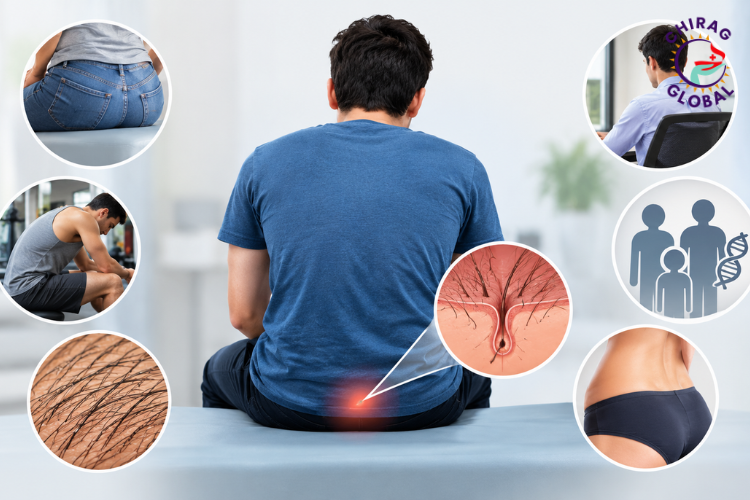
The main pilonidal sinus risk factors include young age, male sex, prolonged sitting, coarse or abundant body hair, higher body weight, a deeper natal cleft, family history and repeated friction or local trauma.
Having one or more of these factors does not mean you will definitely develop pilonidal disease. Likewise, someone without obvious risk factors can still develop it.
If you notice a painful lump, recurrent swelling or drainage near the tailbone, getting the area examined is more useful than trying to identify the cause yourself. Early assessment can help distinguish pilonidal disease from other conditions and guide appropriate treatment.
Looking for medical evaluation for pilonidal sinus in Bangalore?
Visit Chirag Global Hospitals!
Medical disclaimer: This article is intended for general health information and does not replace an examination, diagnosis or treatment plan from a qualified healthcare professional.
Frequently Asked Questions About Pilonidal Sinus Risk Factors
What are the main risk factors for pilonidal sinus?
The main risk factors include young age, being male, prolonged sitting, coarse or abundant body hair, higher body weight, a deep natal cleft, family history and repeated friction or local trauma.
Who is most at risk of developing pilonidal sinus?
Pilonidal sinus is more common among young adults, particularly men. People who sit for long periods, have dense body hair, have a deeper natal cleft, or have a family history of pilonidal disease may also have a higher risk.
Does sitting for long hours cause pilonidal sinus?
Prolonged sitting can contribute to pilonidal disease by increasing pressure and friction around the natal cleft. However, sitting for long periods alone does not necessarily cause a pilonidal sinus.
Is obesity a risk factor for pilonidal sinus?
Yes. Higher body weight is associated with pilonidal disease and may increase pressure and friction in the buttock cleft. It can also be associated with recurrence after treatment.
Can poor hygiene cause pilonidal sinus?
Poor hygiene is not considered the sole cause of pilonidal disease. Keeping the area clean and dry may help reduce debris and irritation, but factors such as anatomy, hair, friction and individual susceptibility also play a role.
Can pilonidal sinus be prevented?
It cannot always be prevented, particularly when anatomical or individual risk factors are present. Regular movement, keeping the cleft clean and dry, reducing friction and discussing appropriate hair management with a doctor may help reduce risk or recurrence.
Does pilonidal sinus always require surgery?
No. Treatment depends on whether there is an abscess, chronic sinus or recurrent disease. Some cases may require drainage or local care, while persistent or recurrent disease may require a procedure. A doctor can recommend an approach based on the individual’s condition.
When should I see a doctor for pilonidal sinus?
See a doctor if you have a persistent lump, pain, swelling, a skin opening or repeated drainage near the tailbone. Prompt medical attention is particularly important if you develop severe pain, rapidly increasing swelling, spreading redness or fever.