


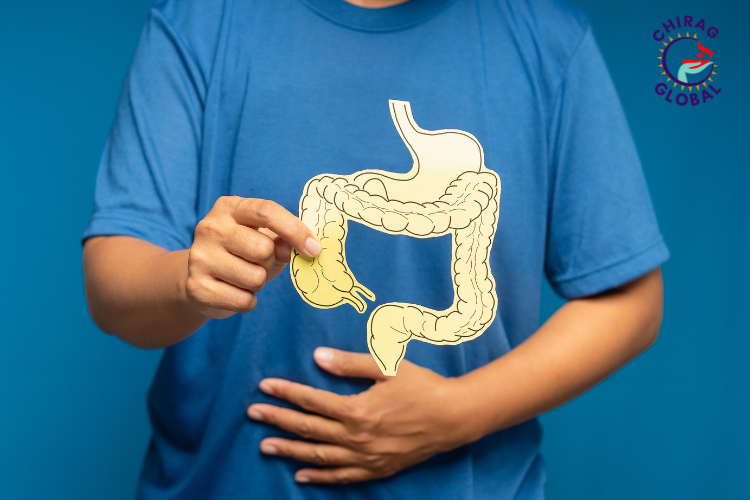
Constipation is one of the most common digestive complaints among adults and children in urban areas. With busy work schedules, irregular eating habits, dehydration, and stress, many people in the city experience difficulty passing stools, abdominal discomfort, or infrequent bowel movements. If this sounds familiar, you may be looking for reliable and effective constipation treatment in Bangalore.
At Chirag Global Hospitals, a dedicated colorectal and digestive care centre in Bengaluru, specialists diagnose constipation at the root level and offer personalised treatment plans that address lifestyle, dietary habits, bowel movement patterns, and any underlying medical conditions.
If you’re struggling with constipation or digestive discomfort, book a consultation at Chirag Global Hospitals today.
Understanding Constipation: What Counts as a Problem?
Constipation is not just about missing a bowel movement for a day. It refers to:
- Fewer than three bowel movements per week
- Hard, dry, or lumpy stools
- Excessive straining
- A feeling of incomplete evacuation
- Pain or bleeding while passing stools
Chronic constipation can affect daily routine, energy levels, and overall digestive health. Some patients even develop complications such as fissures, piles, or rectal prolapse if left untreated.
This is why timely and professional constipation treatment in Bangalore is important—especially when symptoms become frequent or persistent.
Real Causes of Constipation Most People Don’t Notice
While irregular eating and dehydration are common causes, constipation is often triggered by deeper or overlooked factors.
Below are real reasons people experience constipation in Bangalore:
1. Low-Fiber Diet
Urban diets are often dominated by:
- Refined foods
- Fast food
- Bakery items
- Processed snacks
These lack fibre, which is essential for smooth bowel movements.
2. Inadequate Water Consumption
Dehydration hardens stools and slows bowel movement. Many people drink very little water during office hours or consume too much tea and coffee, which worsens the problem.
3. Sedentary Lifestyle
Your intestines need movement. Long hours of sitting at desks, working from home, and lack of exercise reduces gut motility and leads to constipation.
4. Ignoring the Urge
Delaying bowel movements due to travel, work pressure, or busy schedules can gradually weaken the natural reflex.
5. Stress and Anxiety
Stress affects your digestive system directly. High-stress levels cause irregular bowel habits, making constipation worse.
6. Hormonal Changes
Constipation is common during:
- Pregnancy
- Menstruation
- Thyroid imbalance
Hormonal shifts slow down bowel movement.
7. Medications
Certain medications cause or worsen constipation:
- Iron supplements
- Painkillers
- Antidepressants
- Antacids
- Blood pressure pills
8. Digestive Disorders
Sometimes constipation is a symptom of an underlying medical issue such as:
- IBS (Irritable Bowel Syndrome)
- Fissures
- Piles
- Fistula
- Rectocele
- Hypothyroidism
This is why doctor-guided constipation treatment in Bangalore is crucial when symptoms persist.
Not sure what’s causing your constipation? Get a complete digestive evaluation at Chirag Global Hospitals.
Daily Fixes That Make a Real Difference
You can make several small changes that significantly improve bowel movements. These are practical, sustainable steps recommended by colorectal specialists.
1. Add More Fibre to Your Diet
Aim for 25–30 grams of fibre daily.
Great options include:
- Fruits (papaya, banana, apple)
- Vegetables (spinach, carrots, beetroot)
- Oats
- Whole grains
- Brown rice
- Salads
- Dals and legumes
2. Drink Enough Water
Drink at least 2–3 litres a day.
Warm water early in the morning helps stimulate bowel movement.
3. Follow a Fixed Bathroom Routine
Train your bowel by using the toilet at the same time each day.
4. Exercise Regularly
Even 20–30 minutes of walking daily helps stimulate intestinal movement.
5. Avoid Excess Caffeine and Processed Foods
Too much tea, coffee, bread, and fast food can worsen constipation.
6. Use a Footstool While Passing Stools
Elevating your feet (squatting posture) makes passing stools easier and prevents straining.
7. Include Probiotics
Curd, buttermilk, and fermented foods support healthy gut bacteria.
8. Manage Stress
Deep breathing, yoga, and meditation improve gut motility naturally.
When Constipation Becomes a Warning Sign
Constipation is usually harmless, but certain symptoms indicate something more serious.
Seek medical help immediately if you experience:
1. Persistent Constipation for More Than 2–3 Weeks
This may indicate an underlying digestive or hormonal disorder.
2. Severe Pain While Passing Stools
Pain may indicate fissures, piles, or rectal muscle spasms.
3. Blood in Stools
This requires medical evaluation and should never be ignored.
4. Unexplained Weight Loss
Could indicate deeper gastrointestinal issues.
5. Vomiting or Severe Bloating
May indicate bowel obstruction or infection.
Professional constipation treatment in Bangalore is essential to diagnose and treat these conditions early.
Constipation Treatment Options at Chirag Global Hospitals
Chirag Global Hospitals offers a systematic and personalized approach for constipation treatment in Bangalore, focusing on identifying the root cause rather than just providing temporary relief.
1. Dietary and lifestyle guidance
Customized plans to improve bowel habits, hydration, fibre intake, and daily routine.
2. Medication
When necessary, specialists prescribe safe, short-term medications such as stool softeners, laxatives, or probiotics to ease stool passage and reduce discomfort.
3. Pelvic floor therapy
Used when constipation is caused by poor muscle coordination in the rectum or pelvic floor.
4. Bowel habit training
Structured programs help correct long-term irregular bowel patterns.
5. Treatment for underlying conditions
If constipation is caused by thyroid issues, diabetes, nerve-related problems, or intestinal obstruction, specialists address the condition directly for long-term relief.
6. Advanced medical evaluation
When required, diagnostic tools like colonoscopy, anorectal tests, or imaging studies are used to assess deeper issues safely and accurately.
Chirag Global Hospitals ensures that every treatment plan is tailored to the patient’s symptoms, age, lifestyle, and long-term digestive health goals.
Why Choose Chirag Global Hospitals for Constipation Treatment in Bangalore?
- Experienced gastro specialists
- Personalized, root-cause-based treatment plans
- Advanced diagnostic facilities
- Focus on non-surgical and minimally invasive care
- Emphasis on long-term digestive health
- Patient-centered approach with continuous guidance
If constipation is affecting your daily life, struggling silently is not the solution. The earlier you seek help, the easier it is to reverse the condition and prevent complications.
FAQs
1. When should I see a doctor for constipation?
If constipation lasts more than 2–3 weeks or causes pain, bleeding, or discomfort.
2. Can constipation lead to piles or fissures?
Yes. Straining can cause tears or swollen veins.
3. Is long-term laxative use safe?
Only when prescribed by a doctor. Self-medication can worsen constipation.
4. Can stress cause constipation?
Yes. Stress affects gut motility and bowel habits.
5. Does diet really help constipation?
Absolutely. Proper fibre and water intake significantly improve bowel movements.